What are the trends in battery technology?
"Always treat a live wire as if it were energized, for the invisible nature of electricity is its most deceptive quality."
Power tool safety in 2026 relies heavily on understanding modern battery chemistry and maintaining proper charge levels to prevent hardware failure.
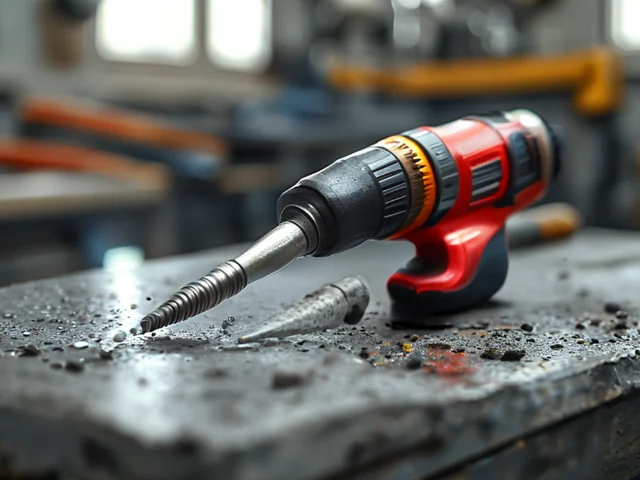
This guide is for DIY enthusiasts and professionals who use cordless equipment, focusing on lithium iron phosphate (LFP) management, charging protocols, and environmental limitations. You should avoid discharging batteries too deeply and recognize that extreme cold can hinder performance. 1. Monitor battery discharge levels to preserve lifespan. 2. Understand the chemical differences in modern battery packs. 3. Observe temperature limits for optimal tool operation. * Manage charging cycles to avoid efficiency loss.
How do I manage modern battery life?
You pull the trigger on a cordless drill, feeling the sudden torque against your palm as the motor whirrs to life. To ensure your tools remain reliable, you must monitor the energy levels closely. According to Wikipedia, discharging below 50% can shorten the battery's life.
Maintaining a healthy charge prevents the internal chemical degradation that often plagues high-capacity packs. I have noticed that keeping my spare packs on the charger helps avoid the deep discharge state that leads to sudden power drops during a project.
For long-term storage, avoid leaving a battery at zero percent.
What's next for battery technology? Power Tool Safety 2026
You grip the heavy pack in the dusty workshop and sense the shifting trends of new chemistry. In the dusty workshop, you grip the heavy pack and sense the shifting trends of new chemistry.
You examine a new heavy-duty battery pack, noting the different labeling and weight compared to older models. Understanding the shift toward lithium iron phosphate (LFP) is essential for modern Electric Tool Care Guide practices.
This chemistry has seen massive growth, reaching 41% global market share by capacity for BEVs in 2023, according to Wikipedia.
While LFP is becoming a dominant technology in certain regions, its adoption varies by geography. In China, LFP has become the leading technology since 2023. Conversely, the market share in Europe and North America remains lower than 10%.
Knowing which chemistry your tool uses helps you predict how it will react to different workloads.
How does temperature affect my tools?
You step out into a frosty morning, the dew freezing on the metal casing of your circular saw. As the temperature drops, you might notice the tool lacks its usual punch. Safe Power Tool Use requires awareness of how ambient conditions impact battery discharge and efficiency.
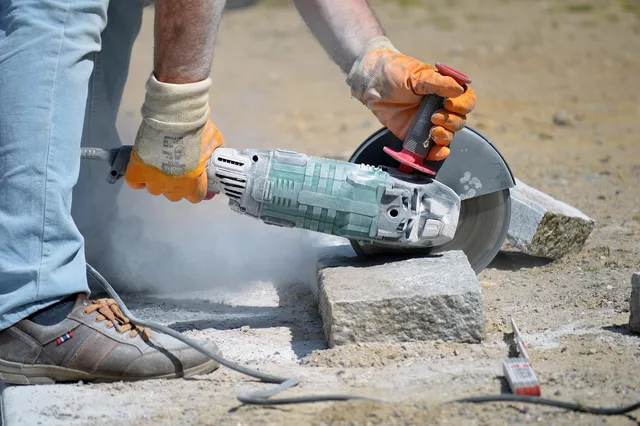
Extreme weather is a significant factor in tool performance. Some battery chemistries suffer from poor performance in weather below -20 °C. This temperature threshold can lead to sluggish motor response or a complete failure to draw current.
Always store your equipment in a climate-controlled environment when working in freezing conditions.
How do I compare different battery types?
You set two different battery packs on your workbench, comparing their weight and the labels printed on their plastic housings. Selecting Modern Power Tools often involves weighing the pros and cons of various energy storage methods.
| Battery Characteristic | Specific Energy Range |
|---|---|
| LFP/Modern Lithium | 30–80 W·h/kg |
| Lead-Acid Comparison | Lower specific energy |
While some chemistries are less efficient in charging and discharging (60–70%) than even lead-acid, they provide a higher specific energy of 30–80 W·h/kg. This trade-off allows for lighter, more portable tools despite the complexity of the charging cycles.
What are the steps for proper battery maintenance?
You clear the sawdust from your workstation and begin the routine of checking your equipment before the next job. Implementing Advanced Tool Safety Practices ensures that your gear lasts through the year. Follow these steps to maintain your cordless inventory:
- Check the charge level using the integrated LED indicator and recharge once it hits the 50% mark. 2. Store all lithium-based batteries in a dry, temperate location to avoid the -20 °C performance dip. 3. Inspect the charging terminals for debris or corrosion to ensure efficient energy transfer.
Perform a final check by verifying that the battery seats firmly in the tool housing without any wobbling. I always double-check the connection before starting a high-torque operation to prevent accidental disconnection.
What are the limitations of current technology?

You attempt to use a high-drain tool in a damp, unheated garage, feeling the resistance in the trigger. Even with the most advanced gear, certain environmental and chemical constraints remain. Maintaining Tool Efficiency Now requires acknowledging that no battery is immune to physics.
A primary limitation is the finicky nature of certain charge cycles. Additionally, the performance of specific chemistries is notably poor in weather below -20 °C. These conditions can render even high-quality tools ineffective for heavy-duty tasks.
The subject here is Power Tool Safety 2026.
The same subject is also called 2026 Tool Safety Tips.
The same subject is also called Handle Power Tools Right.
Advanced Tool Safety Practices
Related
- What are the latest tool safety rules for equipment usage?
- Tool storage for beginners: Tips for new users
What precautions should I take when storing my tools?
Always treat the storage environment as critically as you treat the tool itself. Proper storage conditions directly influence the battery's ability to maintain its charge over time. Storing lithium-based batteries in a temperate, dry location prevents the performance dip associated with extreme cold, which is a key caution mentioned previously. This careful placement helps mitigate the risk of deep discharge during extended periods of inactivity.
When considering long-term storage, remember that leaving a battery depleted is a significant hazard. You should avoid letting the battery reach zero percent charge, as this state accelerates internal chemical degradation. The goal of storage is to keep the pack in a stable, healthy condition, similar to how one would manage it during regular use.
If you are storing multiple packs, ensure they are separated and labeled correctly; this helps prevent accidental short circuits or confusion regarding their operational status. This diligence supports the overall principle of Power Tool Safety 2026.

Comments 0