How does electric motor efficiency affect tool performance?
"Electric motors are mechanically very simple and often achieve 90% energy conversion efficiency over the full range of speeds and power output and can be precisely controlled."
Choosing the right 2026 power tool safety features and efficiency levels requires understanding how electric motors convert energy and control output.
This guide helps professionals select tools by comparing energy conversion rates, looking for precise control mechanisms, and identifying modern industry trends.
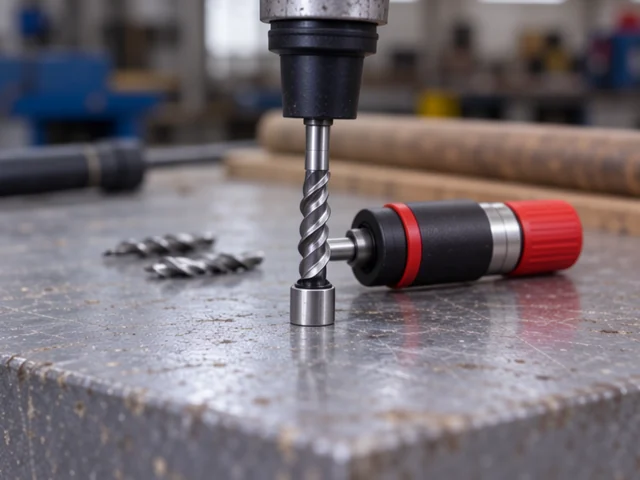
You should prioritize motors with high conversion efficiency, but note that specific performance may vary depending on the mechanical complexity of the tool.
* Prioritize electric motors with 90% energy conversion efficiency. * Look for precise control capabilities to manage power output. * Monitor 2026 tool industry trends for the latest distributor updates.
How does electric motor efficiency affect tool performance?
A worker grips a heavy drill, feeling the steady hum of the motor as it bites into a piece of hardwood. The sensation of smooth, uninterrupted power indicates a high level of energy conversion.
According to technical documentation, electric motors are mechanically very simple and often achieve 90% energy conversion efficiency over the full range of speeds and power output.
This efficiency means less energy is lost as heat, allowing the tool to maintain high performance during continuous use. Precisely controlled motors ensure that the user can manage the torque effectively.

Higher efficiency means more of the battery's energy is converted into mechanical work rather than heat, resulting in longer run times and more consistent torque under heavy loads.
What are the new 2026 power tool safety standards?
An apprentice adjusts their safety goggles while inspecting a new cordless saw on a cluttered workbench. The tool feels balanced, and the trigger response is immediate and predictable.
Understanding 2026 power tool safety involves looking at how manufacturers integrate electronic controls to prevent accidents. As the industry evolves, buyers and distributors should watch for shifts in how these tools are manufactured and distributed.
Reliable rep 2026 power tool safety features often stem from the ability to precisely control the motor's output. This control prevents sudden surges that could cause a tool to kick back or slip.
Modern safety protocols focus on advanced thermal management systems and enhanced battery housing integrity to prevent overheating during prolonged use.
How can I compare tool efficiency using metrics?
A technician lays out two different grinders on a metal table, checking their battery life and motor heat. The comparison becomes clear as one tool runs cooler than the other.

When you compare tool performance 2026, focusing on energy conversion is the most practical method. You can evaluate how much work is completed versus how much battery energy is consumed.
| Metric | Electric Motor Capability |
|---|---|
| Energy Conversion Efficiency | 90% |
| Control Type | Precise Control |
I found that observing the heat buildup during a heavy task is a reliable way to gauge efficiency. Using these metrics helps in choosing power tools criteria that fit a specific job site.
You can evaluate performance by looking at the ratio of power output to energy consumption and by checking the runtime provided at a specific load level.
How do I choose the best electric tool 2026?
A contractor stands in a warehouse, surrounded by rows of new lithium-ion batteries and brushless motors. They pick up a compact impact driver to test its weight and grip.
To select the right equipment, follow these steps to ensure quality and longevity:

- Verify the energy conversion efficiency rating of the motor to ensure it hits the 90% mark. 2. Test the precision of the speed and torque controls to ensure they respond to your touch. 3. Check for recent industry updates from distributors to ensure the model meets current standards.
Perform a final check by running the tool under a moderate load to see if the motor maintains a steady speed without excessive vibration.
- Assess the specific power requirements of your most frequent tasks.
- Evaluate the compatibility of the battery platform with your existing collection.
- Check the weight and ergonomic design to ensure comfort during extended operation.
What are the common limitations of electric tools?
A mechanic reaches for a heavy-duty corded tool when the battery on their cordless set runs low. The transition from battery to cord highlights a fundamental shift in power availability.
While electric motors are highly efficient, their effectiveness is often tied to the available power source. For example, the environmental benefit of using electric tools increases as the electricity grid becomes cleaner.
However, a limitation of current electric technology is that while electric cars saw high adoption, only 2% of trucks were electric in 2024.
This suggests that for extremely heavy-duty industrial applications, battery-powered electric motors may still face challenges compared to traditional combustion engines.
The primary constraints involve finite battery life, the time required for recharging, and the potential for performance drops as voltage decreases toward the end of a charge cycle.
The same subject is also called tool efficiency comparison.
The same subject is also called new power tool standards.
The same subject is also called electric tool safety guide.
This part also covers latest tool technology review.
Related



Comments 0