Tool storage for beginners: Tips for new users
"Properly maintaining and organizing your equipment ensures longevity and safety for every DIY project."
Tool storage for beginners involves grouping items by frequency of use, protecting metal surfaces from moisture, and utilizing vertical space to prevent clutter.
This guide helps new users organize their workspace effectively, though it is limited to manual and basic hand tool organization rather than heavy industrial machinery management.

* Group tools by category (measuring, cutting, fastening). * Use moisture-resistant containers to prevent rust. * Label storage bins for quick retrieval. * Maintain a clear, unobstructed workspace.
How do I start tool storage for beginners?
You reach into a heavy plastic bin, feeling the weight of assorted screwdrivers and pliers as you sort them on a workbench. Organizing your first collection requires separating items by their specific function to save time during future repairs.
Beginners should focus on grouping tools into logical categories such as hand tools, measuring devices, and fastening equipment. By creating dedicated spots for each group, you reduce the frustration of searching through a disorganized pile.
This method of tool storage for beginners establishes a foundation for a growing collection.
However, these basic methods may not suffice for professional-grade collections requiring heavy-duty industrial shelving.
How can I easily care for my new tools?
A damp cloth wipes away fine sawdust from a metal wrench, while a thin layer of oil prevents the surface from dulling. Implementing easy tool care methods protects your investment from the environment.
To maintain your equipment, follow these basic steps: 1. Wipe down every tool after use to remove dust, grease, or moisture. 2. Apply a light coating of machine oil to metal surfaces to inhibit oxidation. 3. Inspect handles and grips for cracks or looseness before storing them.
After completing these actions, perform a final check to ensure all items are dry and properly seated in their designated spots. I found that checking the tension on my screwdriver grips during this phase prevented accidents later.
However, these simple maintenance routines may not prevent corrosion if tools are stored in extremely high-humidity environments.
How can I safely organize my garage tools?
You pull a heavy pegboard from the wall, feeling the textured surface as you hang a hammer by its claw. Following a safe tool organization guide ensures that sharp edges are not exposed and heavy items are not stored too high.

Safety begins with placing the heaviest items at waist height to prevent strain or accidental drops. Sharp cutting tools should be housed in sheaths or dedicated slots to avoid contact with your hands during retrieval.
Proper tool maintenance for new users also includes keeping walkways clear of any loose equipment left on the floor.
However, the effectiveness of these organizational layouts is limited if the garage lacks proper ventilation or climate control.
Is there an accurate tool placement system for small spaces?
A small wooden shelf sits in the corner of a cramped utility room, holding neatly arranged tape measures and levels. Implementing an accurate tool placement system allows you to maximize efficiency even when floor space is limited.
Vertical storage is the most effective way to manage a growing kit in a small area. Using pegboards, magnetic strips, or wall-mounted racks keeps your primary tools within arm's reach while keeping the workbench surface clear.
This approach to tool keeping tips ensures that even a modest collection remains accessible and tidy.
However, these compact systems may become inefficient if you frequently add new tools to your collection.
How to store hand tools effectively?
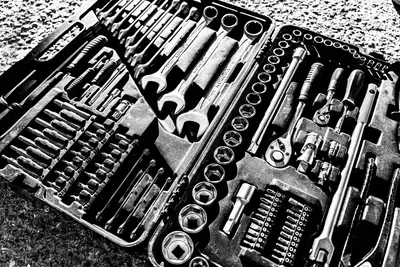
You slide a heavy metal toolbox across the floor, hearing the metallic clink of organized wrenches shifting inside. Learning how to store hand tools involves selecting the right environment to combat humidity and temperature changes.
Avoid storing tools in damp basements or uninsulated sheds where condensation can form on steel components. Using airtight plastic bins or wooden chests with desiccant packets can help maintain a stable environment.
For a first time tool storage experience, starting with a single, high-quality toolbox is often more manageable than multiple scattered containers.
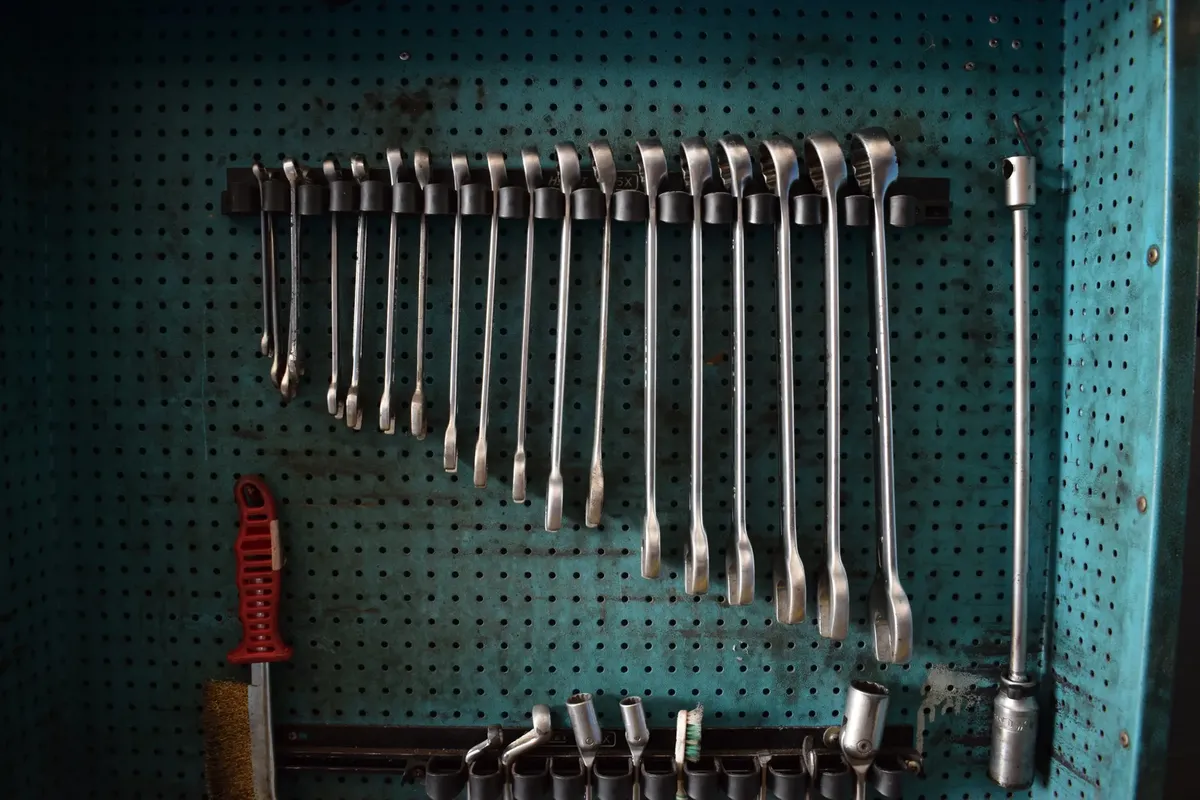
- Clean each tool to remove dirt and moisture.
- Apply a light coat of oil to prevent rust.
- Place them in a dry, organized drawer or rack.
Comparison of Storage Styles
| Storage Type | Primary Benefit | Best For |
|---|---|---|
| Pegboard | High visibility | Frequent use tools |
| Tool Chest | Maximum protection | Large collections |
However, the ideal choice depends entirely on your specific budget and the total volume of your inventory.
The same subject is also called Beginner tool keeping tips.
Related
- Tool usage rules for pros guide best equipment care
- Tool safety management guide: Inspect tools before every use
What cautions should I observe while maintaining my tools?
- Always ensure that walkways remain clear of any equipment when properly maintaining your tools. 2. When handling sharp items, utilize sheaths or designated slots to prevent accidental contact. 3. Before putting away any tool, inspect its handles for signs of wear or damage.
Properly maintaining your tools requires attention to detail during the storage phase. This careful approach helps ensure that the longevity of the equipment is preserved against environmental factors. The initial steps of organization set the stage for these ongoing care procedures.
How does proper maintenance relate to tool longevity?
The longevity of your equipment is directly supported by the care you provide it. By implementing easy tool care methods, you actively protect your initial investment from deterioration. This diligent approach to properly maintaining your tools extends their usable life significantly.
When comparing different storage styles, the tool chest offers maximum protection, which is essential for preserving the integrity of a large collection. A well-maintained tool, regardless of its storage method, resists the effects of oxidation and wear.
When using vertical storage in a small space, proper maintenance means ensuring that the tools remain accessible but protected from dust accumulation. This combination of organization and care maximizes the utility of limited space.
When properly maintaining your tools, remember that the initial grouping by function helps streamline the care process later on. Knowing where each item belongs simplifies the post-use inspection and cleaning procedures. This systematic approach is key to successful tool upkeep.
Wikipedia: Resin identification code Based on the retained excerpt mentioning American Chemistry Council: To further alleviate consumer confusion, the American Chemistry Council launched the "Recycling Terms & Tools" program to promote standardized language that can be used to educate consumers about how to recycle plastic products.




Comments 0