What are the limitations of tool selection?
"The right tool is not just about the brand name, but about the precision of the cut and the depth of the user's experience."
* Precision: High-end tools offer narrow kerf widths for smoother cuts. * Training: Professionals often undergo thousands of hours of specialized instruction. * Organization: Magnetic trays help manage small parts during complex tasks. * Safety: Certain entry-level power tools are specifically noted for beginner safety.
What defines a 2026 hand tool guide?
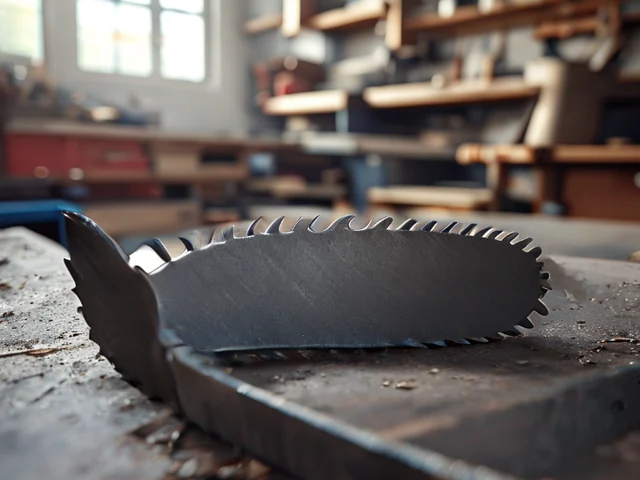
You stand in a bright workshop, running your finger along the edge of a freshly cut piece of oak. The surface feels exceptionally smooth, leaving no jagged edges behind.
For instance, a tool with a narrow kerf, measuring 0.03 inches, achieves a smooth, fine cut with minimal effort.
This level of precision is often what separates a basic DIY project from professional carpentry.
When looking for a pro vs beginner tools comparison, pay close attention to how the tool handles repetitive stress and fine measurements. Beginners might prioritize ease of use, while professionals look for specific tolerances.
Understanding these nuances is the first step in a successful hand tool comparison 2026.
How do experts differ from novices?
Late at night, you watch the master's steady hands move past the limitations of the heavy cedar.
You watch a veteran craftsman move with rhythmic, practiced motions, never hesitating before a difficult cut. The air smells of cedar and machine oil as the blade meets the wood.
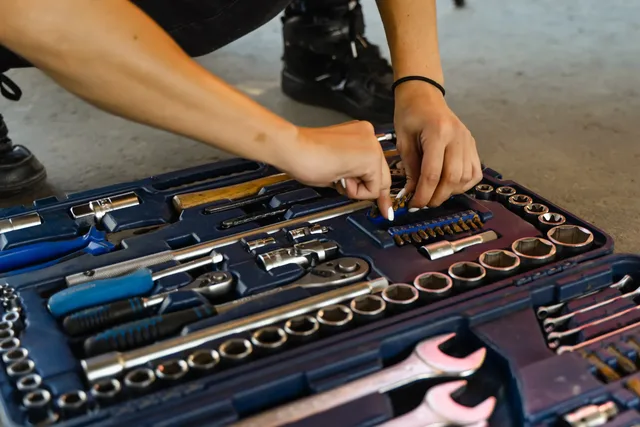
The distinction between a novice and an expert is often measured in time and formal education rather than just the tools they hold.
This vast amount of experience allows professionals to understand the subtle feedback of a tool. While a beginner might struggle with tool control, an expert uses that familiarity to achieve repeatable accuracy. This depth of knowledge is a core component of expert vs novice tools discussions.
What are the best tools for beginners?
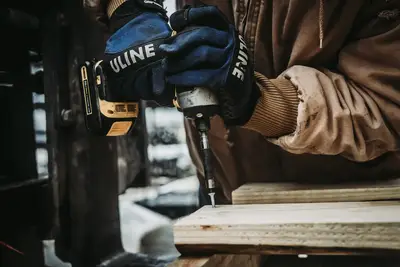
You unbox a new set of tools, feeling the weight of the handles and the shine of the metal in your garage. The sunlight catches the plastic casing of a new drill.
Finding the right starting point is essential for those just entering the trade. Some manufacturers focus on safety for those who are new to the workshop. For example, certain Ryobi power tools are specifically identified as safe options for beginners to start with.
When you are choosing hand tools 2026, look for items that provide stability and clear feedback. It is better to start with reliable, safe equipment that builds confidence rather than jumping into high-intensity professional gear that might be intimidating.
How can you organize a workspace?
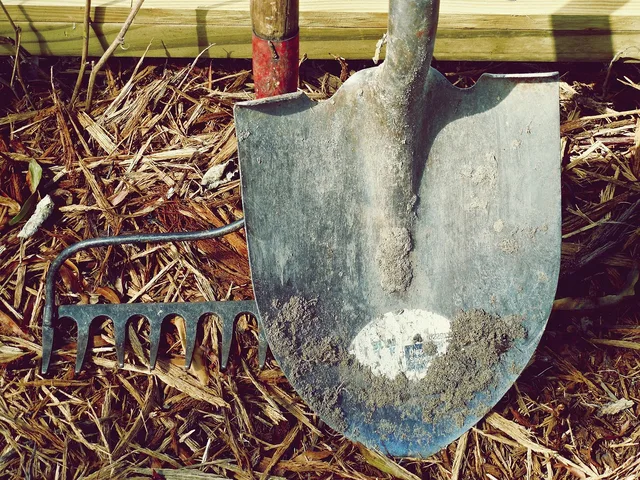
You reach for a small screw on the floor, realizing it has rolled into a dark corner of the workbench. The frustration of a lost part slows your momentum.
Organization is a key part of the 2026 tool buying criteria for both amateurs and pros. Using specialized accessories can prevent small parts from disappearing during a build. A large magnetic nut and bolt tray, measuring 6 by 10 inches, is a practical way to keep components secure.
I found that using a magnetic tray makes a significant difference when working on small assemblies. Keeping your hardware in one place prevents the downtime associated with searching for lost fasteners. This simple step keeps the workflow steady.
How to select the right equipment?
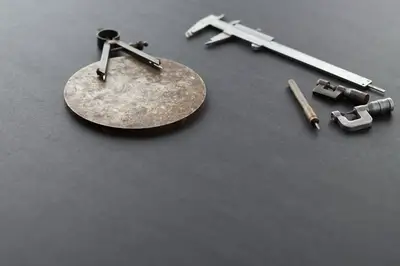
You sit at your desk with a catalog open, comparing the dimensions and features of various saws and measuring devices. The room is quiet as you plan your next purchase.
To select the appropriate gear, follow these steps to ensure you are not overbuying or under-equipping:
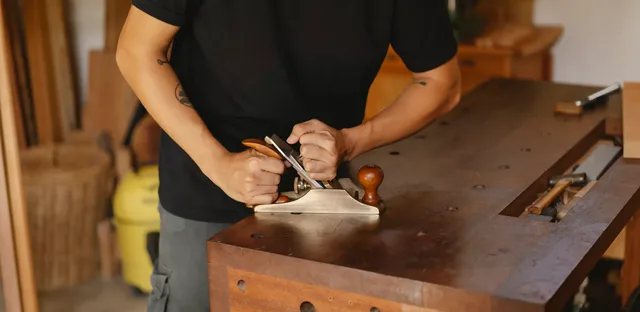
- Identify the primary task, such as fine woodworking or heavy metal fabrication. 2. Check the technical specifications, such as kerf width or motor power, against your project requirements. 3. Evaluate the durability and brand reputation for the intended frequency of use.
After completing these steps, perform a final check by verifying if the tool's precision matches the tolerances required for your specific craft.
| Feature | Beginner Focus | Professional Focus |
|---|---|---|
| Primary Goal | Ease of use and safety | Precision and durability |
| Training Level | Minimal or self-taught | Extensive apprenticeship |
What are the limitations of tool selection?
You attempt to use a lightweight hobbyist saw on a thick slab of hardwood, feeling the motor strain and the blade slow down. The wood resists the movement.
A limitation of choosing tools based solely on beginner-friendly labels is that they may lack the power or precision needed for advanced tasks. For example, a tool designed for safety and ease might not maintain the 0.03-inch kerf precision required for high-end cabinetry.

- Choosing between beginner and professional hand tools depends on the required precision, the frequency of use, and the user's training level.
- This guide helps you navigate the differences in tool specifications, such as kerf width and durability, while outlining how professional expertise is built through extensive training.
- A 2026 hand tool guide focuses on the technical specifications that separate hobbyist equipment from professional-grade gear.
The subject here is 2026 hand tool guide.
The same subject is also called hand tool selection tips.
Related
- Woodworking tool guide: How to ensure 90-degree precision
- What are the most common tool ownership gaps?
When is a tool's durability more important than its initial cost?
- Durability becomes a critical factor when the intended frequency of use is high, which is common in professional settings. 2. A tool designed for heavy fabrication must withstand repeated stress, a condition that entry-level gear often cannot meet. 3. When comparing the right tool, the expected lifespan must align with the anticipated workload to ensure consistent performance.
How does the user's experience affect tool selection?
- The user's training level dictates the necessary level of precision the tool must provide. 2. A novice might benefit from tools noted for beginner safety, whereas an expert requires specific tolerances. 3. The depth of the user's experience allows them to interpret subtle tool feedback, which is a key comparison point.
The right tool choice requires considering the intended application alongside the skill set of the person operating the tool. For instance, the ability to achieve a narrow kerf is useless if the user cannot control the mechanism producing that cut.
Professionals leverage their extensive instruction to maximize the capability of even a basic tool, while beginners must rely on the tool's inherent design features for simplicity and safety. Understanding these conditions helps refine the comparison between different equipment types.
Wikipedia: Tool and die maker Based on the retained excerpt mentioning National Tooling and Machining Association: In the United States, tool and die makers who graduate from NTMA (National Tooling and Machining Association) have gone through 4 years of college courses as well as 10,000 working hours in order to complete their apprenticeship.



Comments 0