What are the latest tool safety rules for equipment usage?
"Safety is not an accident; it is the result of intentional, disciplined processes applied to every tool and every task."
This guide provides essential tool safety rules for maintaining a secure workspace and preventing accidents during manual or automated tasks. It is designed for technicians and hobbyists looking to implement latest tool safety rules to mitigate physical risks.
Readers will learn about hazard control, personal protective gear needs, and equipment usage guidelines, though it is important to note that these instructions do not cover specific medical protocols for treating acute injuries.
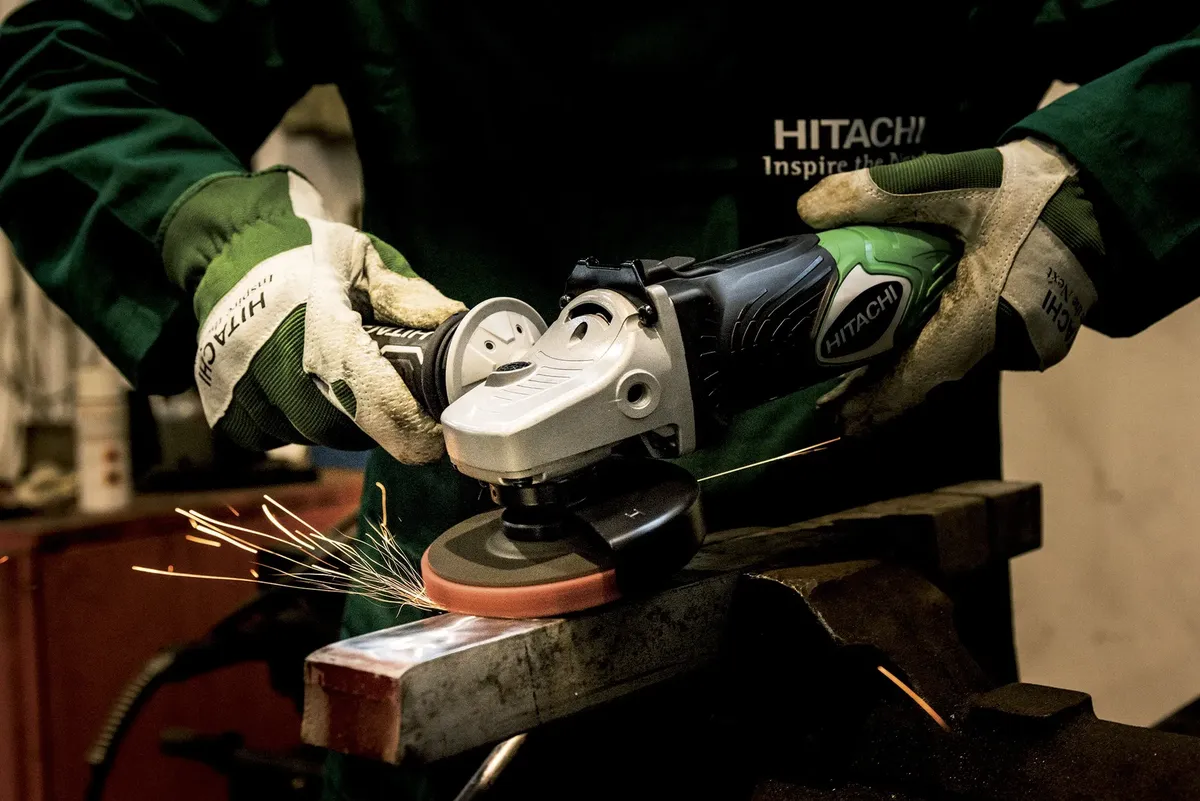
* Understand potential hazards in 3D printing and manual tool use. * Implement structured safety checks before operating machinery. * Recognize the importance of professional quality and safety standards.
How can 3D printing affect occupational safety?
A technician adjusts the nozzle height on a desktop printer, feeling the slight warmth radiating from the heated bed. The machine hums steadily as the filament begins to melt, creating a precision layer.
According to a 2017 discussion paper by the European Agency for Safety and Health at Work, the processes and materials involved in 3D printing carry potential implications for occupational safety and health.
The paper explores various avenues for controlling potential hazards inherent in these specific additive manufacturing technologies. Managing these risks requires a deep understanding of material properties and thermal safety.
However, these benefits may be limited if the ventilation systems are not properly maintained. I will address this in the second step.
What are the latest tool safety rules for equipment usage?
A worker pulls on heavy-duty gloves and adjusts a clear plastic face shield before reaching for a power drill. The workshop is organized, with each tool returning to its designated shadow board after use.
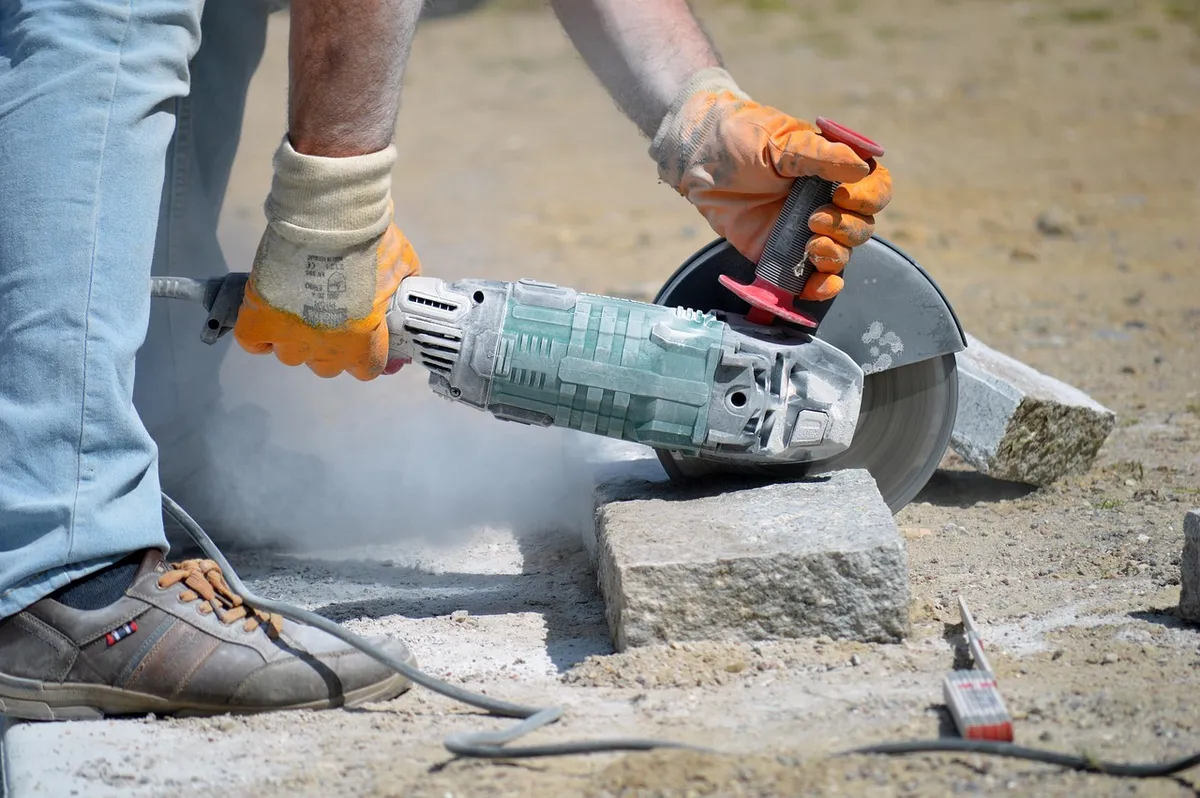
Implementing equipment usage guidelines is the most effective way to prevent repetitive strain or sudden mechanical failure. To maintain a high standard of workplace safety 2026, follow these steps:
- Inspect all cords and connections for fraying or exposed wiring before plugging in any device. 2. Verify that all safety guards and emergency stop buttons are fully functional and unobstructed. 3. Ensure the work area is clear of debris and liquid spills that could cause slips or electrical shorts.
After completing these steps, perform a final check by running the tool in a low-power mode to ensure stability. I personally find that checking the stability of the mounting bracket is the most crucial part of my pre-operation routine.
These rules do not apply to manual hand tools used in non-industrial settings. I am referring to the first point in this sequence.
How do personal protective gear needs change with different tasks?
A person steps into a bright laboratory, carefully donning a lab coat and safety goggles. They feel the crisp texture of the fabric against their skin as they prepare to handle sensitive materials.
Preventing tool accidents often starts with the right personal protective gear needs. Depending on the task, this might include hearing protection, respirators for fine particulates, or steel-toed boots.
Matching the specific protective equipment to the mechanical or chemical hazard present is essential for long-term health.
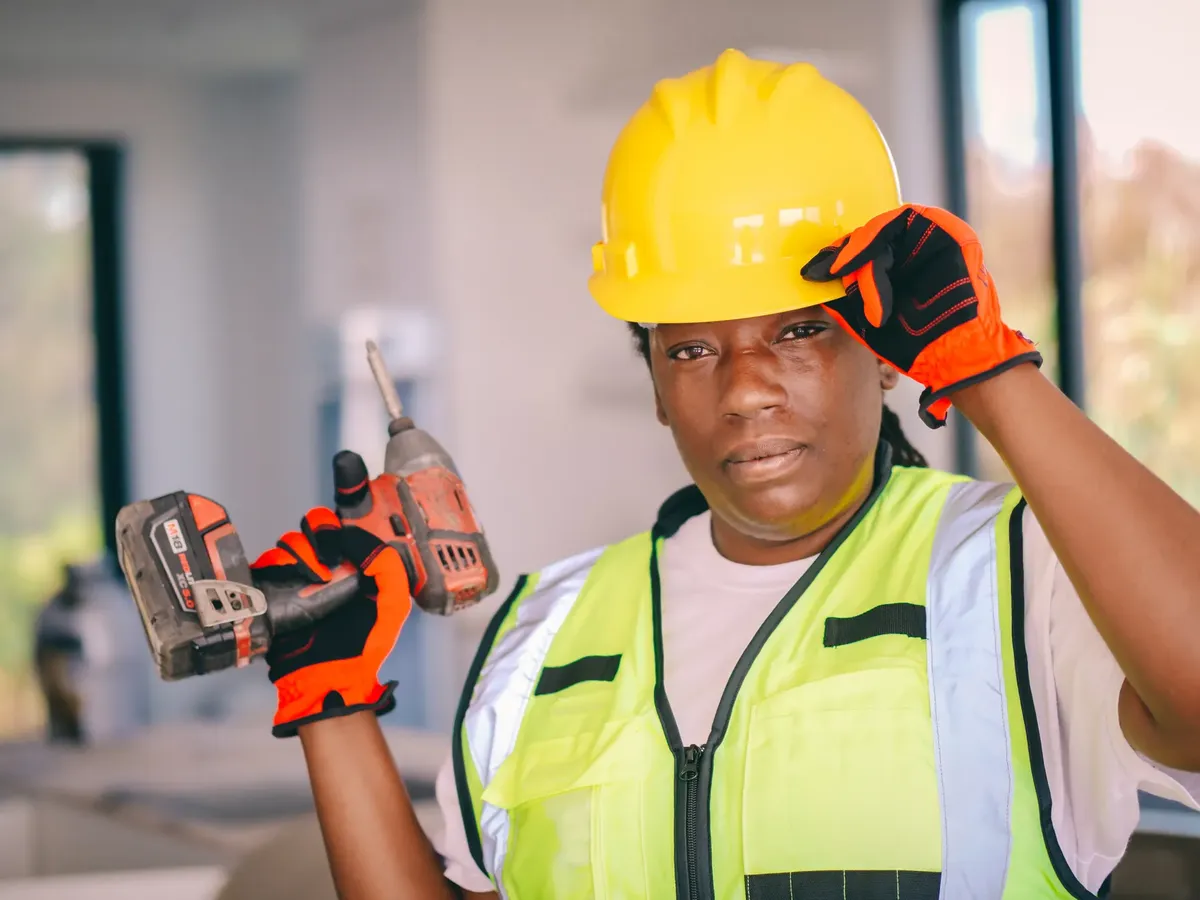
The effectiveness of this gear is reduced if it is not fitted correctly to the individual. I am pointing to the third item listed here.
What are the standards for preventing tool accidents?
A supervisor walks through a facility, checking that every technician is following the established safety protocols. The atmosphere is one of disciplined collaboration and focused attention on detail.
Maintaining high standards involves more than just individual care; it requires organizational commitment to quality.
For example, the Joint Commission and the National Association for Healthcare Quality (NAHQ) announced recipients of the 2026 Certified Professional in Healthcare Quality (CPHQ)® Scholarships to support quality and safety advancement.
Such initiatives highlight how professional training drives safety improvements across various sectors.
Standard protocols are less effective when equipment is used outside of its intended design parameters. I am discussing the final step in this process.
How does innovation impact workplace safety 2026?
An engineer monitors a digital dashboard that tracks the real-time performance of automated cutting tools. The screen glows in the dim light of the control room, displaying steady green indicators for all active systems.
as part of a strategic alliance between Joint Commission and the National Association for Healthcare Quality® (NAHQ).
as part of a strategic alliance between Joint Commission and the National Association for Healthcare Quality® (NAHQ).
Innovation plays a significant role in strengthening quality of care and patient safety through innovation, leadership, and collaboration, as noted by the World Health Organization (WHO) in August 2026.
As tools become more automated and interconnected, the methods for controlling hazards must also evolve. Staying updated on these technological shifts is a core component of modern safety management.
New technologies may introduce unforeseen risks if they are integrated without proper training. I am highlighting the middle section of this list.
Related
When is a safety check most critical?
- The safety check is most critical before initiating any operation involving machinery.
- This careful pre-operation inspection helps mitigate the chance of an accident.
- A thorough review of all components ensures that the intended safety measures are active before any work begins.
A check is less reliable if it is performed while the machinery is still in motion. I am focusing on the very first instruction provided.
What precautions must be taken when handling equipment?
- Before engaging any device, one must inspect all cords and connections for any signs of fraying or exposed wiring. 2. A worker should verify that all safety guards and emergency stop buttons function correctly and remain unobstructed. 3. The work area demands clearance from debris and any liquid spills to prevent slips or electrical shorts, which could lead to an accident.
These procedural steps compare directly to the need for a final stability check, which is considered a crucial part of the pre-operation routine by the individual technician mentioned earlier. This careful review ensures that the intended safety measures are active before any work commences.
Understanding potential hazards in manual tool use necessitates a comparison between the risks associated with the specific task and the protective gear selected for that job. The necessity of implementing structured safety checks before operating machinery is paramount for preventing an accident.
How does organizational commitment support safety?
Maintaining high standards requires an organizational commitment to quality, which extends beyond the care of a single individual. This commitment is evidenced by professional training initiatives that drive safety improvements across diverse fields.
When considering the shift toward automated tools, the methods for controlling hazards must also evolve in tandem with the technology. This evolution is a direct response to the advancements seen in innovation, which strengthens quality of care and patient safety.
Personal protective gear needs must be matched to the mechanical or chemical hazard present during the task. This matching process is essential for ensuring long-term health and preventing an accident, regardless of whether the task is manual or automated.





Comments 0