Woodworking tool guide for beginners: 592 kg best tips
"The best way to start is not by buying everything, but by understanding what your specific project requires and avoiding common pitfalls that drain a new budget."
Choosing the right woodworking tool guide for beginners requires focusing on essential gear that matches the density of your intended material. This guide helps you avoid unnecessary purchases, compares the characteristics of different wood types, and outlines how to select reliable equipment.
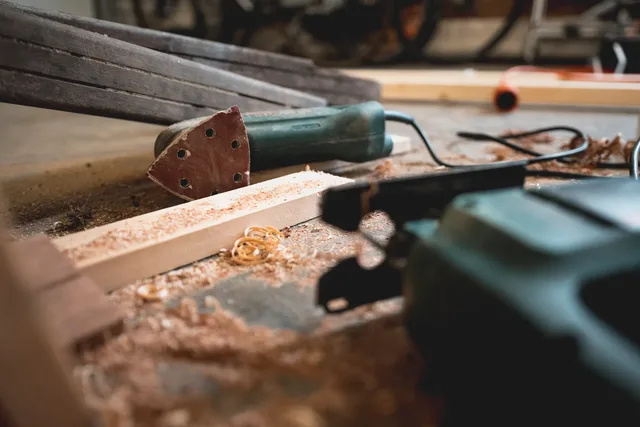
You should prioritize versatility and build quality, though note that tool effectiveness is limited by the specific density of the wood being processed.
Which woodworking tools should I start with?
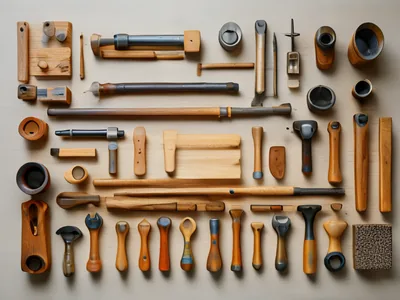
In the dusty garage at dusk, a novice grips a heavy mallet to begin their journey into woodworking.
A novice reaches for a heavy mallet and a sharp chisel in a dusty garage. Selecting essential woodworking gear means prioritizing items that handle both soft and hard materials effectively.
According to the Institut für den Wissenschaftlichen Film, there are videos about woodworking published by Institut für den Wissenschaftlichen Film.
You should look for tools that offer longevity rather than those that promise instant results through complex automation.
Beginners often struggle with tool overload. Instead of purchasing specialized machinery, focus on hand tools and basic power tools that can be used across various projects.
This approach allows you to learn the fundamentals of grain direction and cutting resistance before committing to expensive, single-purpose equipment.
How do I choose tools based on wood density? woodworking tool guide for beginners
During the bright morning, a craftsman runs a finger over a smooth plank to feel the resistance required for woodworking.
A craftsman runs a finger over a smooth plank of oak in a bright workshop. When choosing wood tools, you must consider the density of the material you plan to use most often. Hardwoods and softwoods require different levels of tool sharpness and power to avoid damage or inefficient cutting.
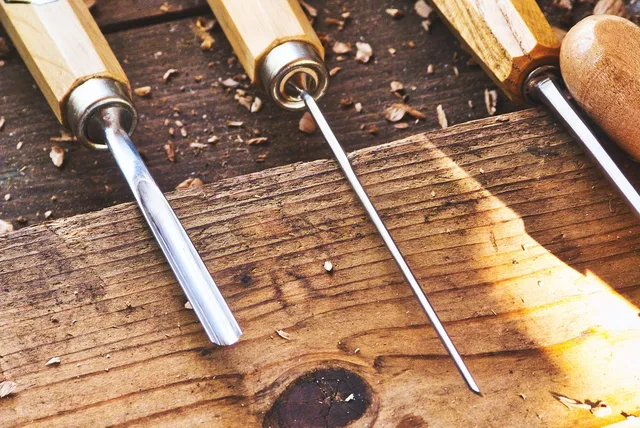
According to Wikipedia, softwoods usually have a lower density, around 432–592 kg/m3, which can compromise its strength. In contrast, hardwoods flaunt a higher density, around 1041 kg/m3 as a result of slower growing rates, and are more stable when drying.
| Material Type | Typical Density | Primary Characteristic |
|---|---|---|
| Softwood | 432–592 kg/m3 | Lower density/strength |
| Hardwood | ~1041 kg/m3 | Higher density/stability |
I compared the resistance of these two materials when using a standard hand plane, and the difference in feedback was immediate.
What are the pros and cons of these woodworking tools?
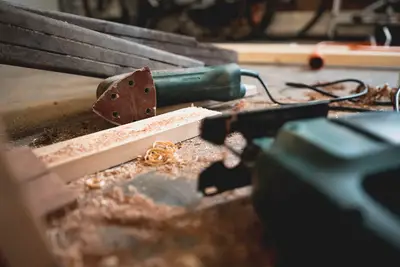
A worker examines a heavy-duty drill on a workbench during a quiet afternoon. Understanding the woodworking tool pros and cons helps you balance cost against durability. Some tools are built for extreme environments, while others are designed for light hobbyist use.
Durability is a major factor in the decision-making process. Some professional-grade equipment is designed to survive a 2 m (6 ft 7 in) drop onto concrete and operates in temperatures from −20 to 60 °C (−4 to 140 °F).
While these features increase the initial price, they offer reliability for long-term use.
How to pick wood tools for a new shop?
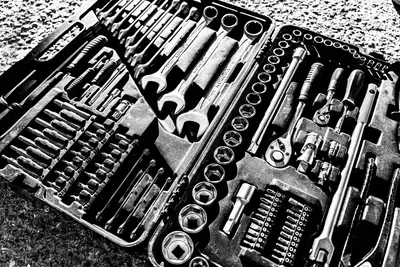
An apprentice organizes a set of screwdrivers and saws on a new pegboard. To master how to pick wood tools, follow a systematic approach to building your collection. Avoid the temptation to buy "all-in-one" kits that often include low-quality components.
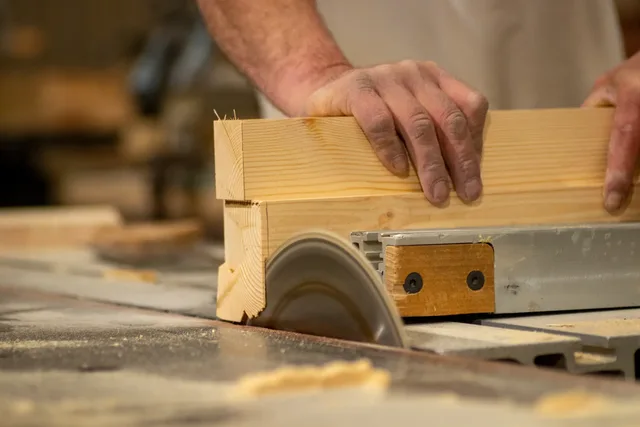
- Identify your primary project type, such as furniture or small carvings. 2. Purchase one high-quality version of a core tool rather than several cheap versions. 3. Test the tool on scrap pieces of varying density to check for accuracy.
After completing these steps, perform a final check by ensuring every tool is properly calibrated and sharpened.
Which brands are recognized by professionals?
A carpenter looks at a brand name on a toolbox in a busy construction site. When selecting equipment, brand recognition can sometimes indicate a level of professional acceptance. Many tradespersons rely on established names to ensure their tools perform under pressure.
In a market survey of the United States done by Black & Decker before its reintroduction, the name DeWalt was recognized by 70% percent of tradespersons. This level of recognition suggests that certain brands have built a reputation for reliability among those who use them daily.
Is there a limit to tool effectiveness?
A student tries to flatten a warped board in a small basement studio. Even with the best equipment, certain physical realities cannot be bypassed. You must account for the natural behavior of the wood itself.
To fix issues like "potato-chip" curvature, the rubbing and marking are repeated after rotating the material relative to the first position by 90 degrees to eliminate concave-convex shapes.

This technique is necessary because no tool can instantly correct for the inherent physical properties of the timber. The effectiveness of your tools is ultimately limited by the density and stability of the wood being worked.
- Which woodworking tools should I start with?
- How do I choose tools based on wood density?
- What are the pros and cons of these woodworking tools?
The subject here is woodworking tool guide for beginners.
The same subject is also called beginner woodworking tools.
The same subject is also called woodworking tool basics.
This part also covers woodworking tool comparison.
Related
- Woodworking tools for beginners: Guide to essential tools
- Beginner woodworking tool brands: How to choose best tools
How does wood density affect tool choice?
Wood density dictates whether you should prioritize power or precision when you start your woodworking journey. Hardwoods, with a density of approximately 1041 kg/m3, require more robust tools and sharper edges compared to softwoods.
Softwoods, which range from 432–592 kg/m3, offer less resistance but may lack the stability found in denser materials.
When comparing these materials, remember that higher density often correlates with slower growth rates and greater stability during the drying process. You must adjust your cutting technique based on whether the material is a dense hardwood or a lighter softwood to avoid inefficient results.
What precautions should a beginner take when buying tools?
Avoid buying specialized machinery before you understand the fundamentals of grain direction and cutting resistance. Instead of purchasing all-in-one kits, focus on acquiring high-quality versions of core tools that can handle both soft and hard materials.
This cautious approach prevents the common pitfall of draining a budget on low-quality, single-purpose equipment that lacks the durability needed for long-term use.




Comments 0