What makes electric motor performance so efficient?
"Electric motors are mechanically very simple and often achieve 90% energy conversion efficiency over the full range of speeds and power output and can be precisely controlled."
Choosing the right power tool brand in 2026 requires understanding the shift toward electric motor efficiency and battery technology.
This guide compares the performance of electric motors, highlights the importance of energy conversion, and notes that specific brand-specific durability remains unestablished.
* High energy conversion efficiency of electric motors * The mechanical simplicity of electric motor systems * Precision control capabilities in modern electric tools * The impact of recycled materials on battery production
What makes electric motor performance so efficient?
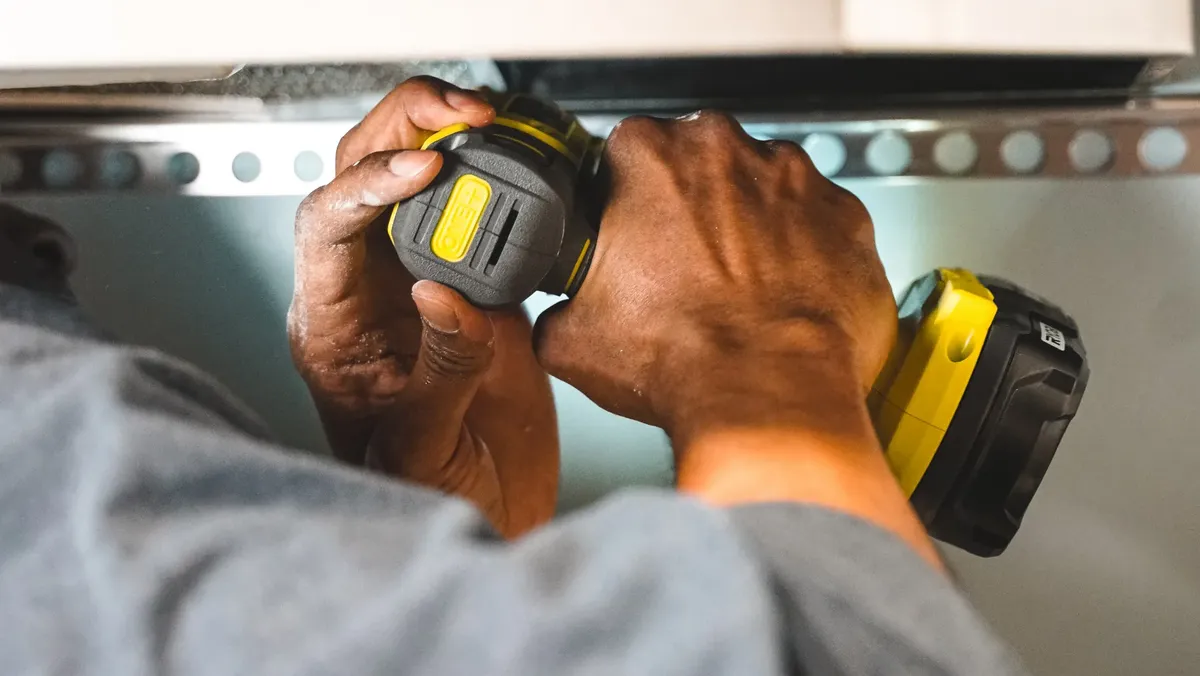
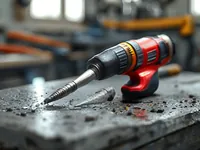
A technician grips a cordless drill, feeling the steady hum of the motor as it bites into a piece of hardwood. The sensation of immediate torque is a direct result of how electric motors manage energy.
Electric motors are mechanically very simple, which reduces friction and wear compared to older combustion-based tools. According to Wikipedia, these motors often achieve 90% energy conversion efficiency over the full range of speeds and power output.
This efficiency means more battery life is used for actual work rather than being lost to heat.
Because these motors can be precisely controlled, users experience consistent performance even as the battery level fluctuates. This precision is a core part of the power tool brand comparison 2026. High efficiency ensures that the tool maintains its strength throughout a long workday.
However, efficiency may decrease significantly when operating at extreme temperatures or under heavy continuous loads.
How does motor simplicity affect tool longevity? Power tool brand comparison 2026
An apprentice watches a motor assembly being cleaned, noting the lack of complex moving parts compared to a gas engine. The workspace is quiet, filled only with the light scent of ozone and sawdust.
The mechanical simplicity of an electric motor means there are fewer components that can fail during heavy use. This simplicity allows for a more streamlined design in the latest power tool review.
By reducing the number of moving parts, manufacturers can focus on the core drive train and heat dissipation.
This structural advantage is a key element of tool performance analysis. When a motor has fewer parts to break, the tool becomes more reliable for daily professional tasks. The focus on simplicity directly contributes to the precision control mentioned in technical specifications.
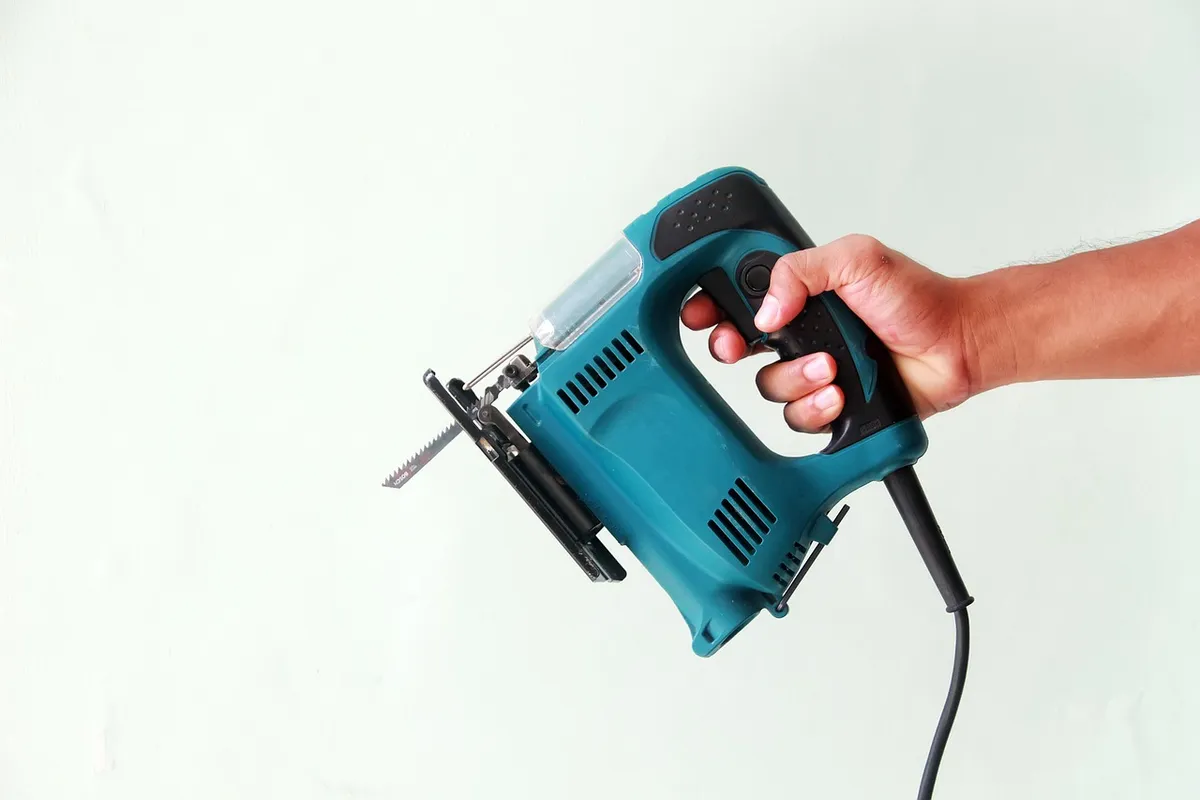
However, a simpler design may lack the specialized features required for highly complex, multi-stage tasks.
Can I rely on battery sustainability for my tools?
A warehouse manager inspects a shipment of new lithium-ion battery packs, checking the labels for recycled content. The cool air of the storage facility carries the metallic scent of new hardware.
The long-term availability of tool batteries depends heavily on the sourcing of raw materials like lithium and cobalt. While the industry is moving toward more sustainable practices, the full impact on tool availability is still evolving.
One source estimates that over a fifth of the lithium and about 65% of the cobalt needed for electric cars will be from recycled sources by 2035.
While these figures specifically refer to the electric vehicle sector, the same material trends influence the cordless tool market. Relying on recycled materials may eventually stabilize the supply chain for professional-grade batteries.
This transition is a major part of the best electric tools 2026 discussion.
However, the environmental benefits are limited if the battery cells are not properly recycled at the end of their life cycle.
What are the steps to choosing an electric tool?
A contractor stands in a hardware aisle, comparing the weight and grip of two different cordless circular saws. He weighs each option in his hands, feeling the balance and the texture of the rubberized handles.
To select the most effective tool for your specific needs, follow these steps:
- Evaluate the motor's energy conversion efficiency to ensure maximum runtime. 2. Check the precision control features to see if the tool matches your required speed settings. 3. Verify the battery platform compatibility to ensure you can use existing chargers and packs.
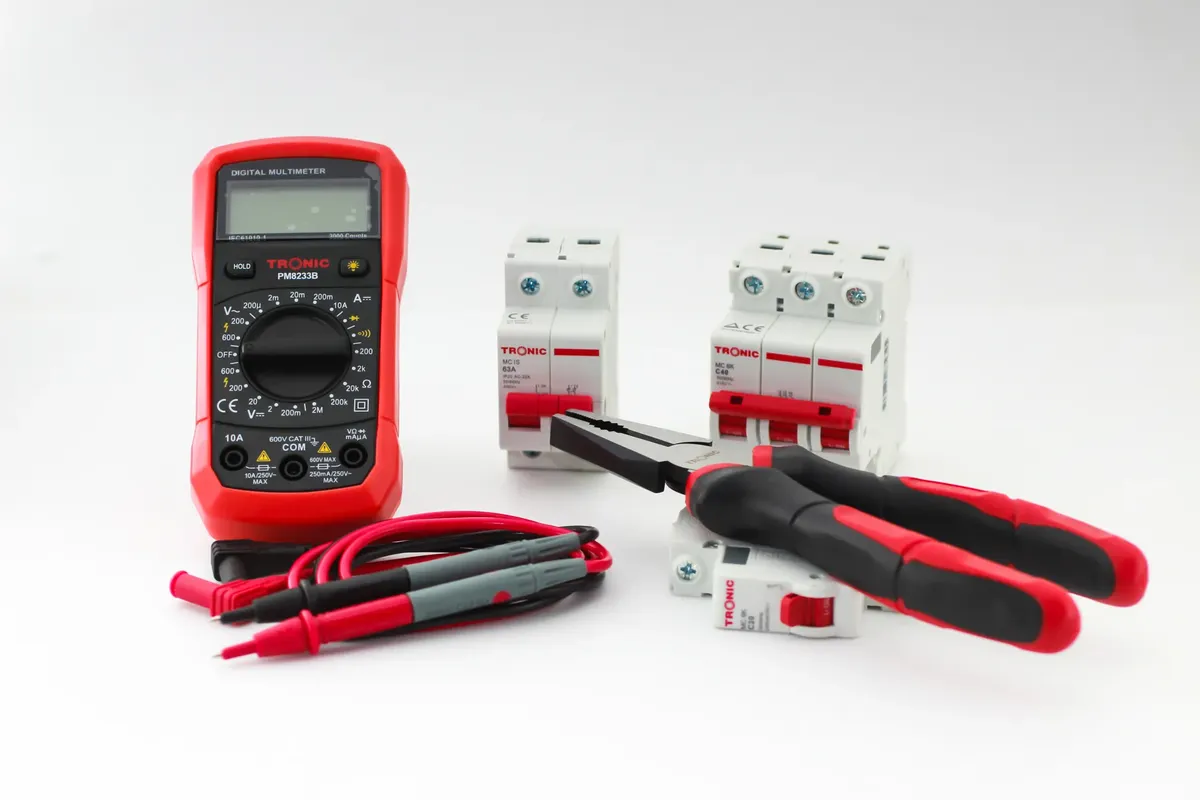
After completing these steps, perform a final check by testing the tool's weight and balance under a simulated load. I found that checking the motor's responsiveness during a dry run was the most helpful way to confirm the tool's quality.
- Assess the specific power requirements of your intended tasks.
- Evaluate the compatibility of existing battery platforms.
- Compare the weight and ergonomics for long-term use.
Is there a difference in power output between motor types?
A heavy-duty electric locomotive pulls a massive freight load through a mountain pass, demonstrating immense pulling power. The vibration of the tracks resonates through the ground as the electric system maintains steady momentum.
Electric systems are capable of much higher power output than diesel counterparts in large-scale applications. For example, electric locomotives can provide significantly more force than diesel locomotives.
This principle of high power output through electric propulsion is also being applied to high-speed rail, such as France's double-deck TGVs, which operate at speeds of 320 km/h (200 mph) or higher.
In the context of hand tools, this translates to motors that provide high torque without the lag found in combustion engines. This capability is a central theme in any brand comparison guide. The ability to deliver high power instantly is a hallmark of modern electric motor design.
However, the perceived power difference may be negligible for light-duty applications.
How does the electric vehicle trend impact tool technology?
An engineer monitors a production line where robotic arms assemble high-capacity battery cells. The rhythmic clicking of the machines marks the steady pace of a high-tech manufacturing facility.
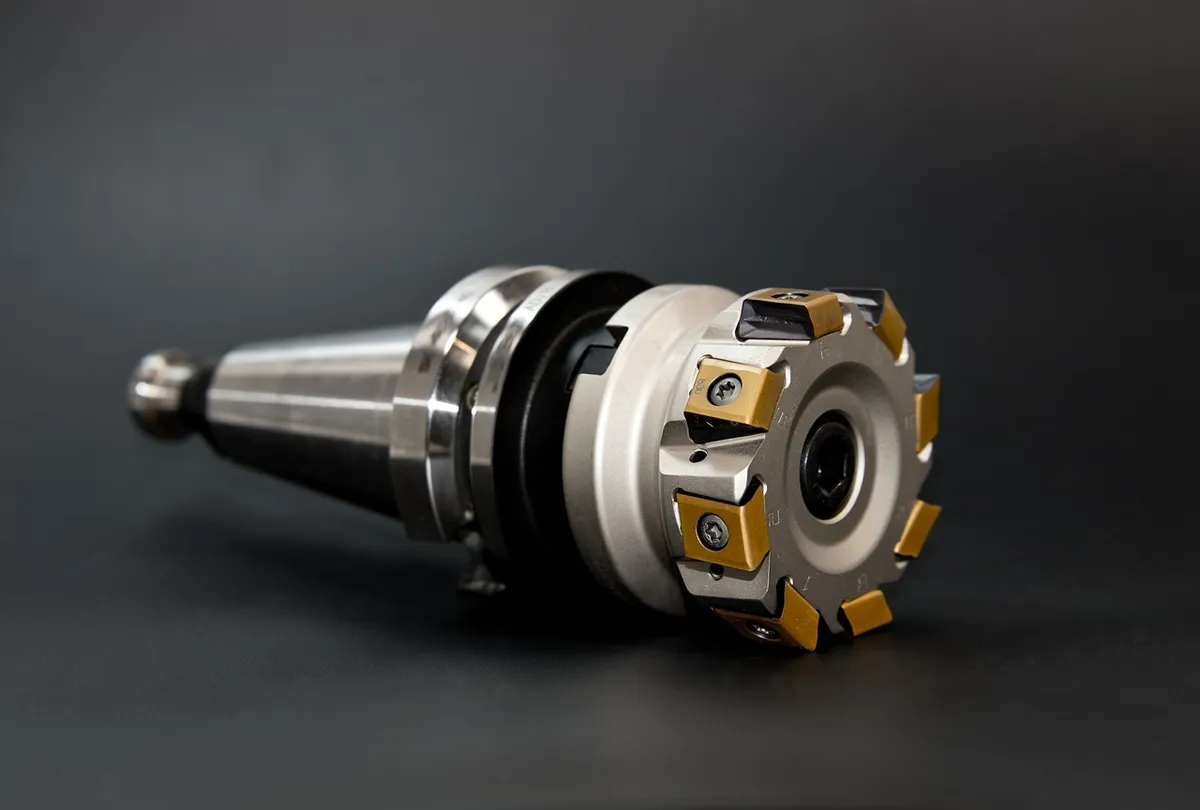
The rapid growth of the electric vehicle market influences the entire ecosystem of electric motors and batteries. By 2024, China was the world's leading EV producer, accounting for more than 70% of global production and 67% of global sales of electric vehicles.
This massive scale drives down the cost of electric motor components and battery technology.
As the scale of production increases, the components used in professional power tools benefit from these technological advancements. The high-volume manufacturing seen in the automotive sector helps refine the precision and efficiency of smaller motors used in cordless drills and saws.
However, these advancements may not immediately translate to low-cost consumer-grade tools.
This part also covers Top rated cordless drills 2026.
This part also covers Price comparison power tools.
This part also covers Customer feedback tool ratings.
Top rated cordless drills 2026
Related



Comments 0