Tool safety guidelines: Inspect equipment for defects guide
Ensuring safety when handling tools requires a deep understanding of both physical mechanics and the specific hazards presented by modern technology. This guide covers essential tool safety guidelines to help you manage risks effectively while maintaining productivity. You will learn how to approach equipment handling, the importance of understanding material hazards, and how to maintain a secure workspace.
How can you implement effective tool safety guidelines?
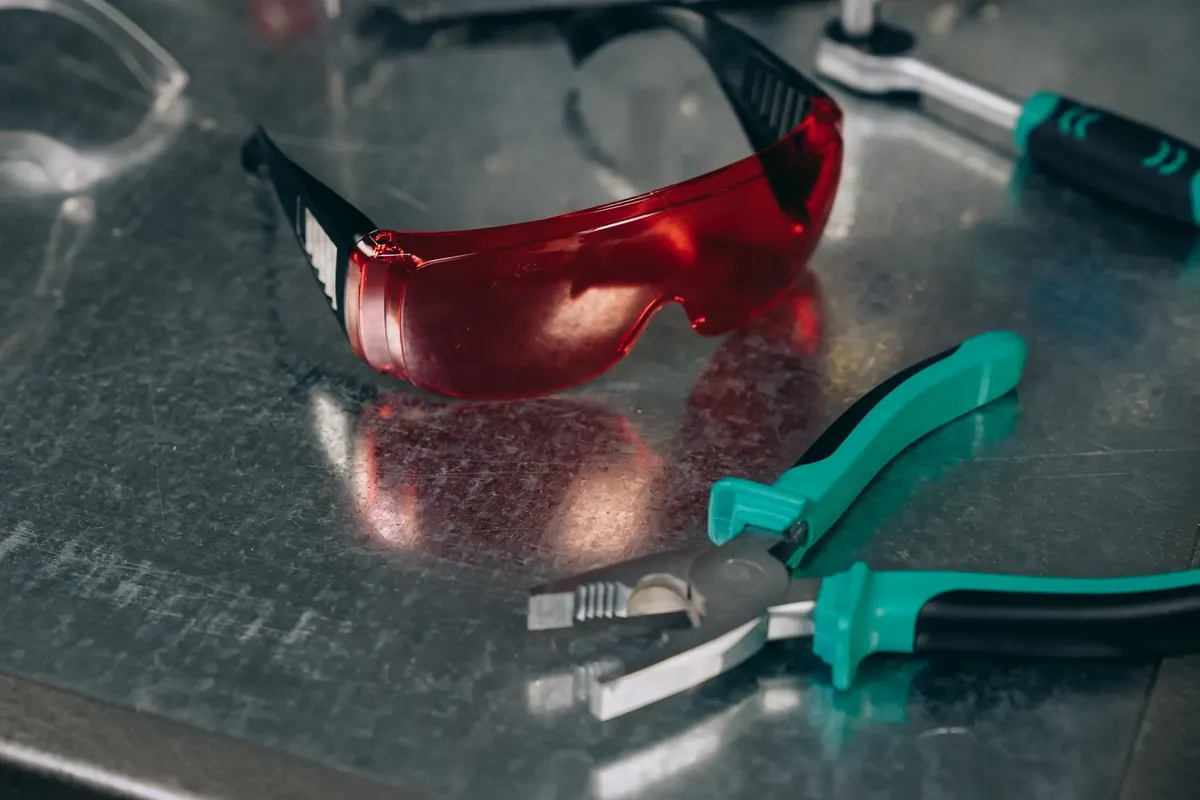
At dawn in the workshop, the technician grips the cold steel of the wrench to inspect every tool for cracks.
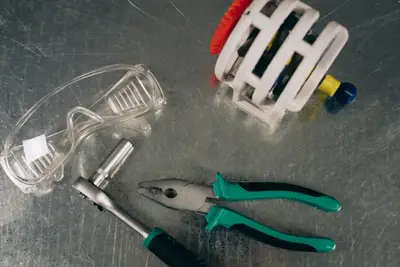
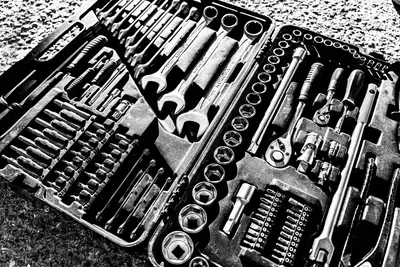
A technician carefully inspects a heavy-duty wrench for cracks before beginning a repair job. Proper tool safety guidelines start with a thorough inspection of every piece of equipment to ensure it is functional and free of defects.
Regularly checking for wear, such as frayed cords on electric tools or dull blades on cutting equipment, prevents sudden failures. Maintaining sharp edges and secure handles ensures that the tool performs as intended without slipping.
Effective management involves understanding that even well-maintained tools can become hazardous if used incorrectly. Applying the right amount of force and using the correct tool for a specific task is critical for preventing injury.
- Conduct a comprehensive audit of all existing equipment.
- Draft clear, written protocols for every tool type.
- Train all personnel on the specific requirements of the new guidelines.
What are the best practices for tool safety in manufacturing?
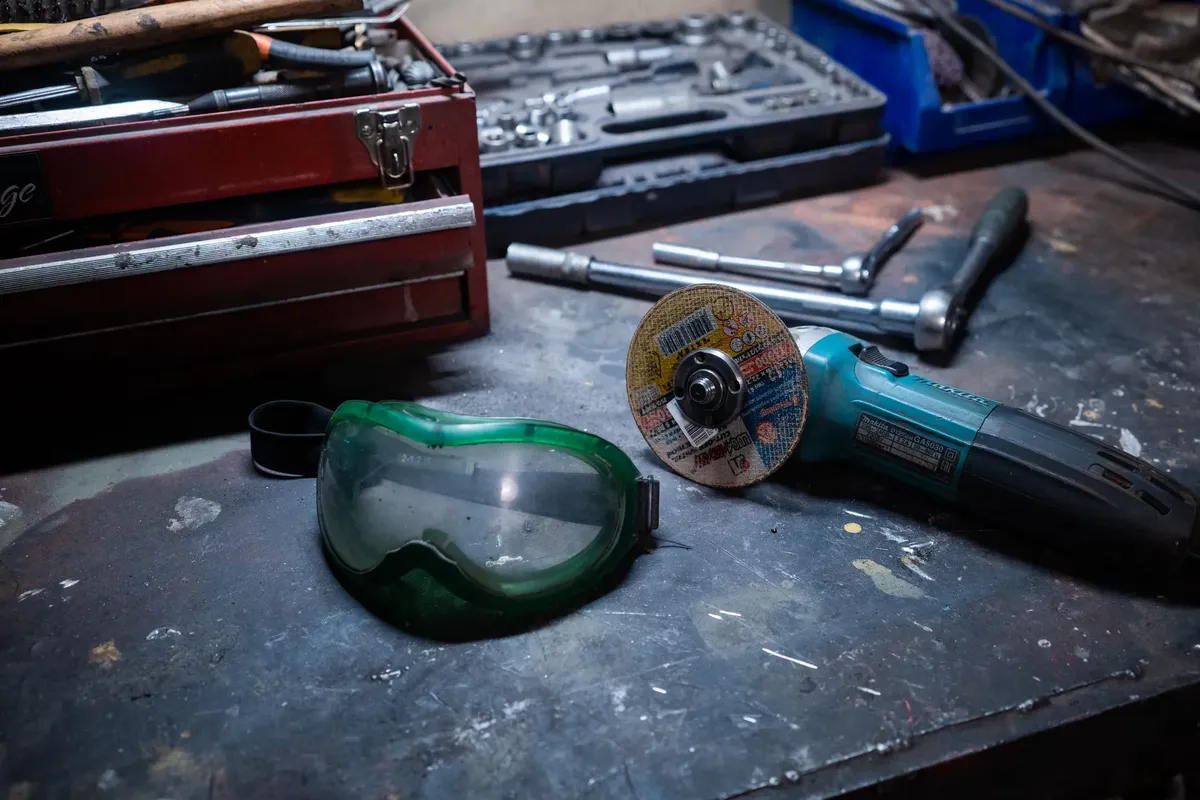
Amidst the humid factory floor, the worker pulls on thick gloves to grip the heavy metal tool.
An operator adjusts the settings on a 3D printer, ensuring the ventilation system is active. Applying best practices for tool safety in manufacturing requires an understanding of how emerging technologies introduce new types of occupational risks.
According to the European Agency for Safety and Health at Work, a 2017 discussion paper addressed the processes and materials involved in 3D printing, specifically looking at the potential implications for occupational safety and health and ways to control hazards.
This highlights that tool safety is not just about mechanical parts but also about the materials being processed.
Managing tool risks effectively means being aware of chemical or particulate emissions that may arise during production. Ensuring proper ventilation and protective gear is as important as checking the mechanical integrity of the machine itself.
In this sequence, the first step is the most critical for preventing accidents.
How do you manage tool risks effectively during maintenance?
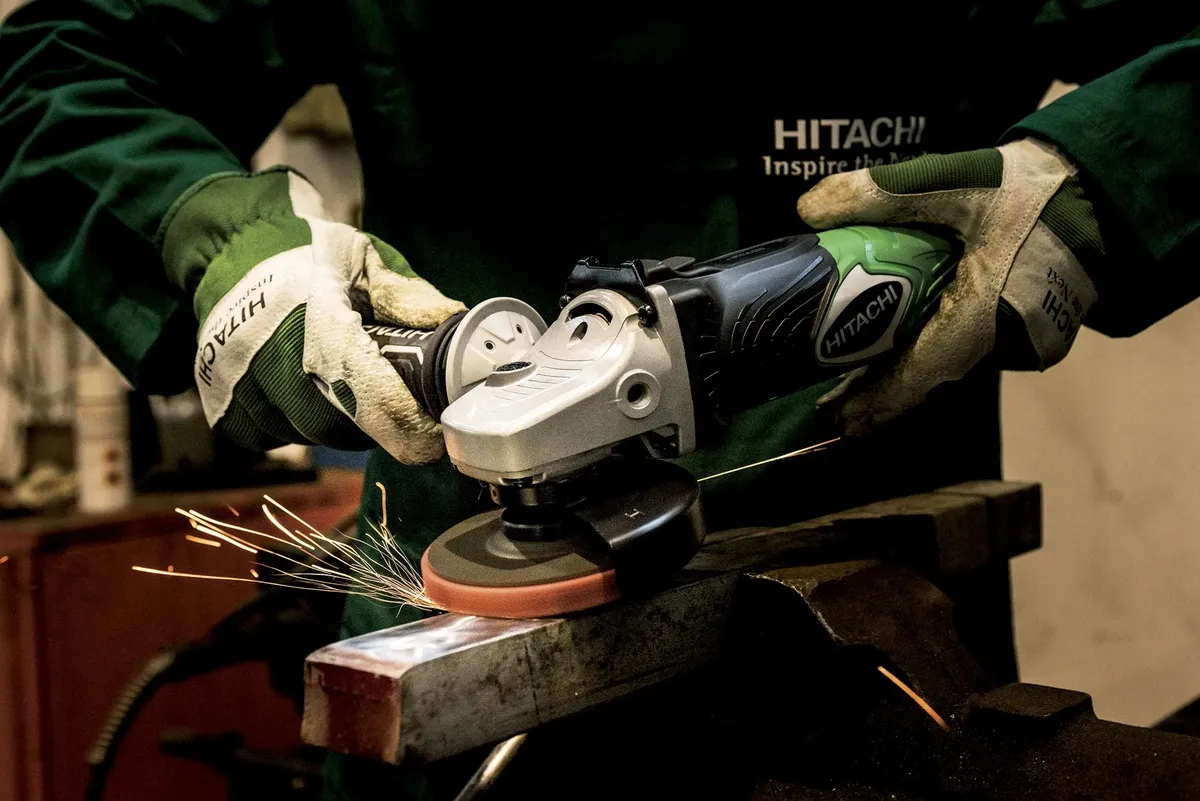
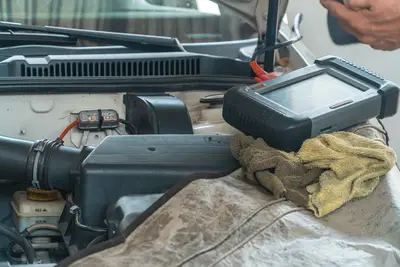
A mechanic wipes grease off a specialized sensor, preparing for a delicate calibration task. Managing tool risks effectively during maintenance requires a structured approach to prevent accidents during routine upkeep.
- Disconnect all power sources and energy supplies before performing any maintenance on a tool. 2. Use only the specific replacement parts or cleaning agents recommended by the manufacturer to avoid damaging the equipment. 3. Perform a final check of all connections and safety guards after reassembling the tool before returning it to service.
I always ensure that every guard is securely in place before I attempt to restart a machine after cleaning. This habit prevents accidental contact with moving parts during the initial startup phase.
A limitation of these procedures is that they cannot fully account for the unique chemical interactions of all specialized materials used in advanced manufacturing processes.
How can you improve tool accuracy safety in a laboratory?
A researcher carefully handles a precision pipette under a fume hood, checking the seal. Improving tool accuracy safety in a laboratory setting involves balancing the need for precision with the necessity of containment.
Precision tools often require delicate handling, but they must also be robust enough to withstand regular use. Ensuring that calibration tools are handled with the same level of care as the primary equipment prevents measurement errors that could lead to unsafe experimental conditions.
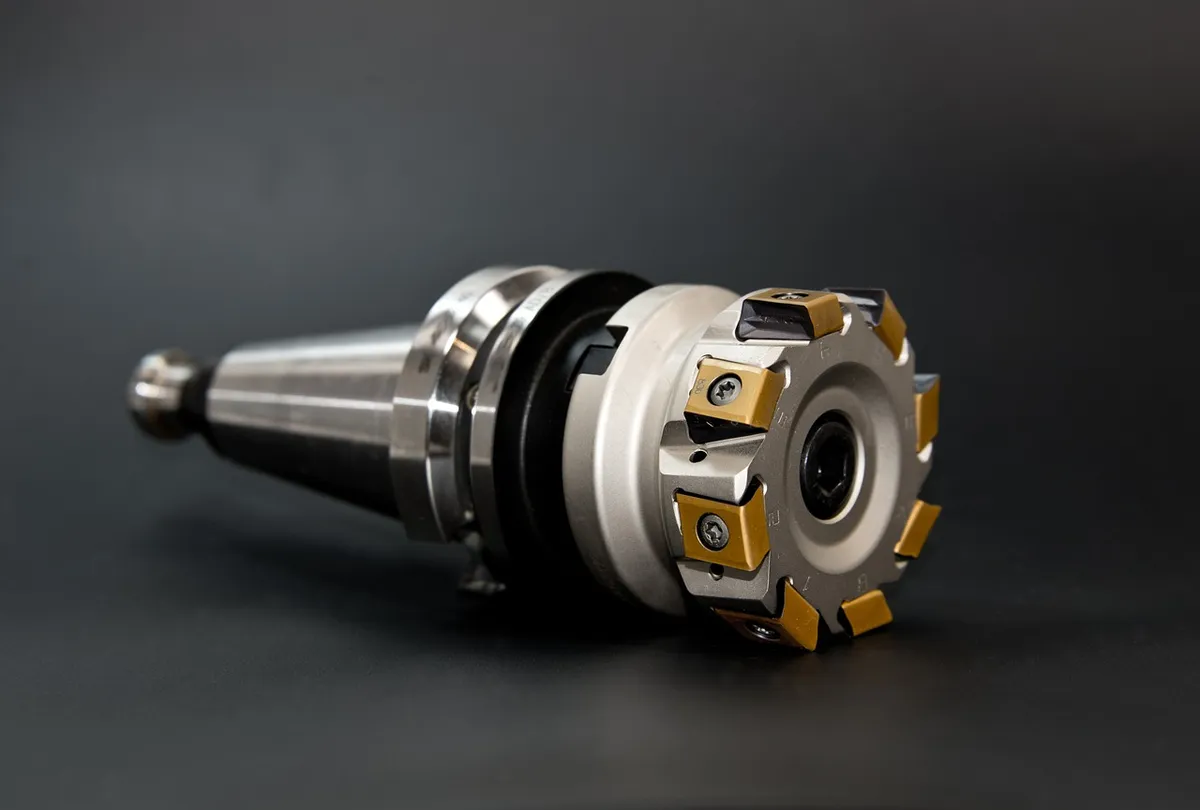
Properly storing delicate instruments in temperature-controlled environments helps maintain their accuracy and prevents material degradation. This proactive approach reduces the likelihood of tool failure during critical procedures.
The same subject is also called Safe tool usage tips.
The same subject is also called Work safety precautions.
The same subject is also called Tool handling safety.
The same subject is also called Preventing tool accidents.
Related
- Tool path comparison guide: Eliminate surface curvature tips
- Tool safety precautions guide: Managing tool-related risks
What precautions are necessary for chemical tool safety? Chemical tool safety requires recognizing that material hazards extend beyond mechanical failure. Workers must be aware of chemical or particulate emissions that may arise during production, especially when using advanced materials. Proper ventilation and protective gear are essential components of this safety strategy.
This awareness complements the mechanical checks, as the chemical nature of the substances being processed can introduce unforeseen risks. Maintaining a secure workspace must account for the potential release of hazardous substances during operation or maintenance.
Ensuring safety when handling chemicals demands that the specific properties of the materials are understood before any work begins. This understanding dictates the necessary containment measures and the appropriate personal protective equipment required for the task.
How does understanding material hazards contribute to tool safety? Understanding material hazards is a crucial element of ensuring safety because it addresses risks beyond simple mechanical malfunction. The chemical nature of substances being processed can introduce unexpected dangers during operation or upkeep. This knowledge dictates the necessary containment strategies and the suitable personal protective equipment needed for the job.
When considering tool safety, recognizing potential chemical or particulate emissions during production is paramount. This awareness must supplement the mechanical inspections of the equipment.
Maintaining a secure workspace necessitates accounting for the possible release of hazardous substances while the tools are in use or being serviced.
Ensuring safety when handling materials requires that the specific characteristics of those substances are known prior to commencing work. This preliminary understanding directly informs the required protective measures and the appropriate handling protocols for the tools involved.




Comments 0