Tool usage rules for pros guide best equipment care
Professional tool usage rules for pros ensure that high-level technicians maintain equipment integrity and personal safety while mitigating workplace hazards. This guide focuses on systematic handling and maintenance protocols for skilled operators. You will learn how to implement structured safety checks, manage specialized materials, and understand the limitations of current sorting and recycling technologies.
* Implement rigorous inspection cycles for all manual and power equipment. * Adopt standardized protocols for managing 3D printing materials and occupational hazards. * Utilize systematic maintenance to extend the lifecycle of professional-grade tools. * Recognize the limitations in material separation effectiveness within recycling workflows.
How can professionals implement tool usage rules for pros?
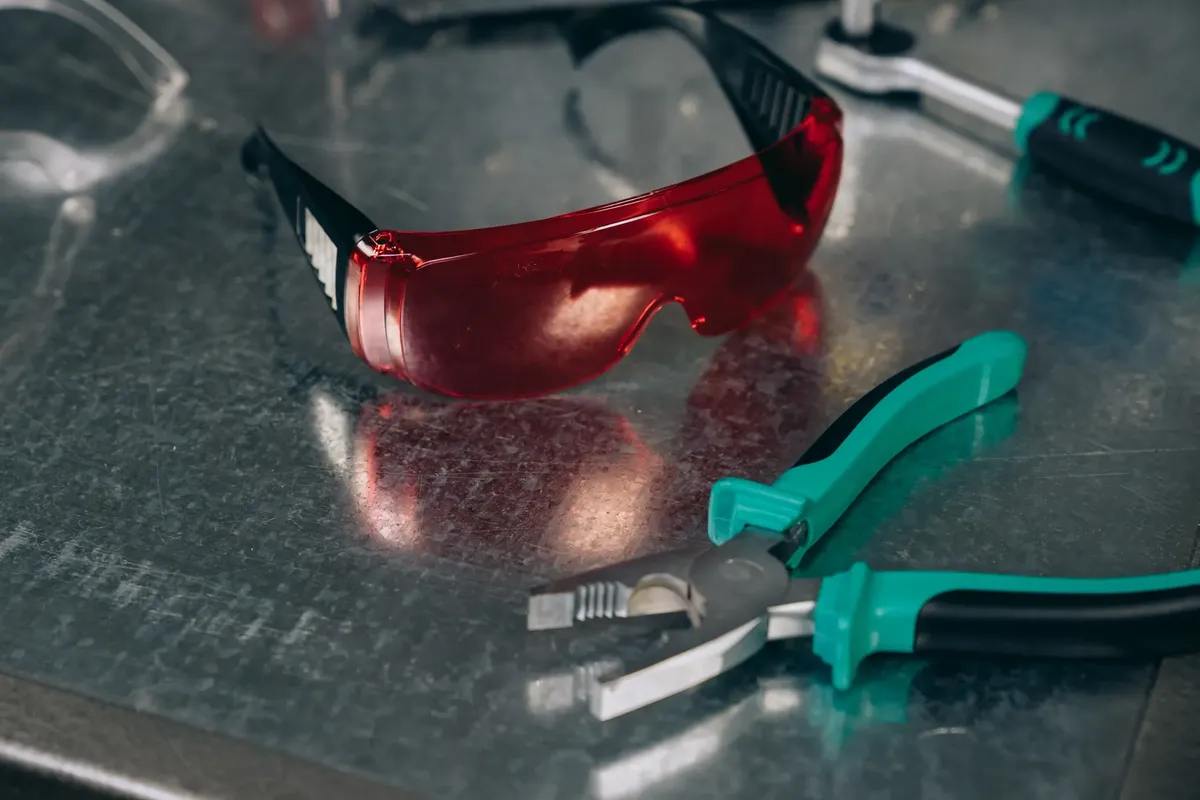
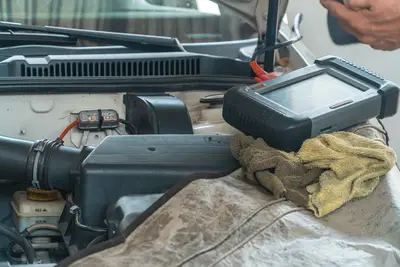
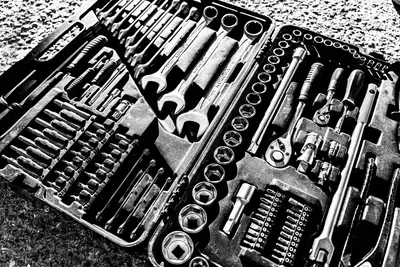
A technician reaches into a heavy steel toolbox, pulling out a calibrated torque wrench to begin a morning inspection. The metal feels cold and solid against the palm as the user checks for hairline fractures or worn serrations.
According to the World Health Organization, there is a focus on strengthening quality of care and patient safety through innovation, leadership and collaboration.
Following these specific tool usage rules for pros prevents mechanical failure during high-stakes operations.
Effective management requires a disciplined approach to both hardware and software. According to the NASA Technical Standards System, software safety and assurance are critical components in ensuring reliability for complex missions.
Professionals must treat digital interfaces and control systems with the same physical scrutiny applied to mechanical components.
The process of maintaining professional equipment involves three distinct stages. First, perform a visual inspection of all surfaces to detect fatigue or damage. Second, verify that all calibration settings match the required technical specifications.
Third, clean the tool using approved solvents to prevent debris buildup that could compromise accuracy. I always perform this final check before starting any high-precision task to ensure my equipment is ready for the workload.
- Establish clear operational guidelines for all team members.
- Conduct regular training sessions on specific equipment protocols.
- Audit tool usage logs to ensure compliance with safety standards.
- In this sequence, the second step is the longest.
What are the best practices for professional equipment care?
At dawn, the technician wipes the cold metal of each precision tool in the quiet workshop.
An operator wipes down a precision cutting tool with a microfiber cloth, feeling the smooth surface of the polished blade. The workspace is organized, with every instrument resting in its designated shadow board slot to prevent accidental damage.
Adhering to professional equipment care protocols ensures that tools remain functional and safe for long-term use.
Maintaining high-quality equipment involves more than just cleaning; it requires a proactive stance on material safety. For instance, when working with additive manufacturing, operators must be aware of the specific risks associated with different substances.
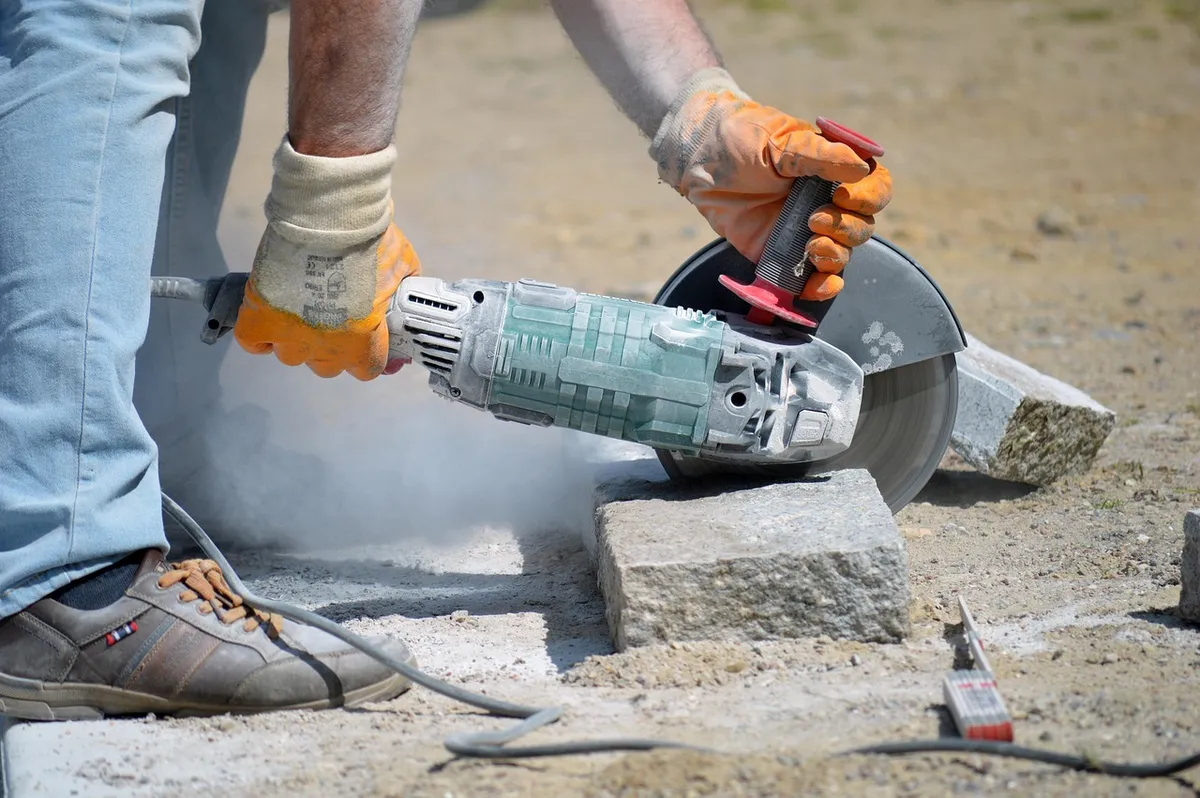
In 2017, the European Agency for Safety and Health at Work published a discussion paper regarding the processes and materials involved in 3D printing, specifically focusing on the implications for occupational safety and health and ways to control potential hazards.
To maintain these standards, technicians should follow these steps: 1. Document all maintenance activities in a centralized logbook. 2. Replace any component that shows signs of structural degradation. 3. Store all sensitive instruments in climate-controlled environments to prevent corrosion.
A final verification of the storage environment ensures that humidity levels do not compromise tool precision.
Regularly clean all components to prevent debris buildup and ensure long-term durability.
Can experts use advanced tool usage protocols for 3D printing?
A technician adjusts the nozzle height on a large-format 3D printer, watching the filament extrude in a precise, rhythmic pattern. The scent of heated polymer fills the air as the machine begins its layer-by-layer construction.
According to the European Agency, a discussion paper published in 2017 examined the processes and materials involved in 3D printing, along with the potential implications of this technology for occupational safety and health and ways to control potential hazards.
Utilizing advanced tool usage protocols is essential when managing the unique risks presented by additive manufacturing technologies.
Managing these advanced tool usage protocols requires an understanding of both the machine and the chemical properties of the materials being used. Because different filaments can release various particulates or vapors, ventilation and filtration become primary safety concerns.
Professionals must integrate these environmental controls into their daily operational workflow.
The integration of safety and technology is a continuous process. Experts must remain vigilant about the evolving nature of these tools. While technology improves, the human element of oversight remains the most critical factor in preventing occupational hazards.
Implementing precise calibration routines allows experts to maximize print accuracy and minimize material waste.
Why is accurate tool handling tips essential for material management?
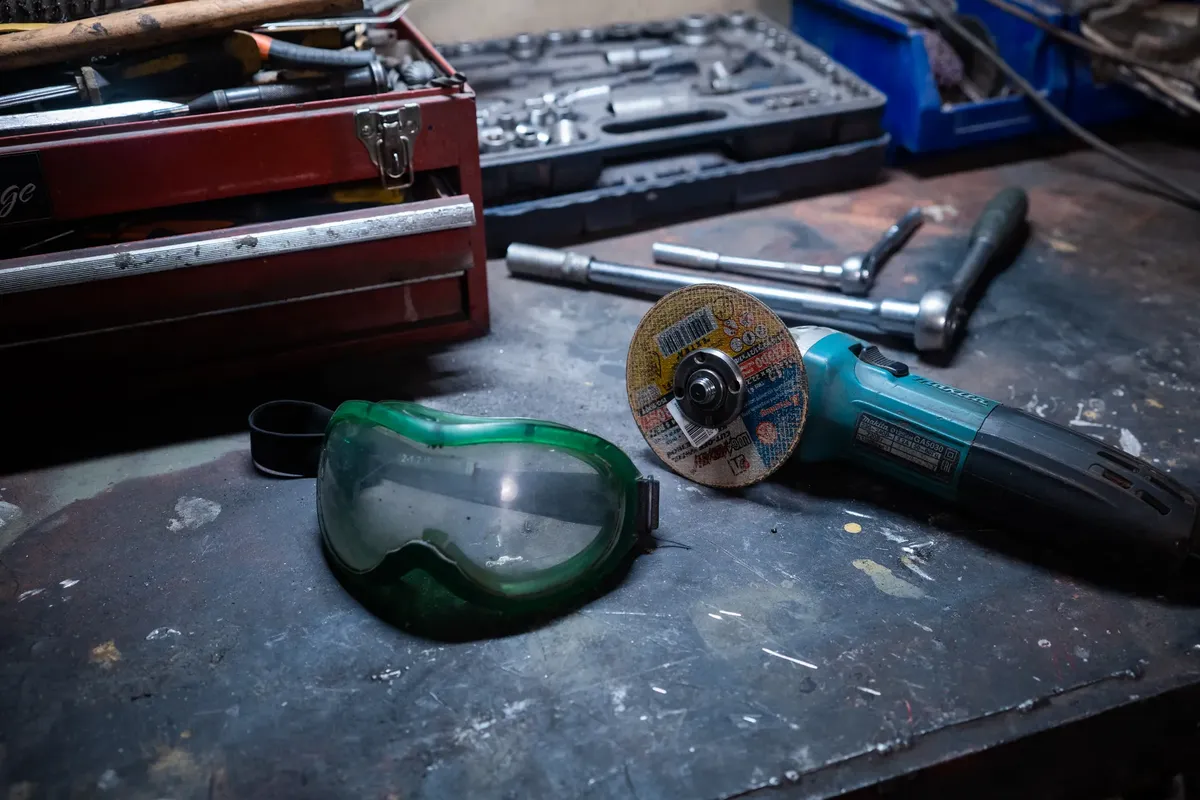
A worker carefully sorts through a bin of reclaimed metal components, feeling the weight of different alloys. The task requires a steady hand and a keen eye to distinguish between usable parts and scrap.
Following accurate tool handling tips allows technicians to manage materials efficiently while minimizing waste.
Effective material handling is often linked to broader environmental and recycling goals. For example, in the United States, the amount of in-use copper per capita grew from 73 kg in 1932 to 238 kg in 1999.
This massive increase in material usage necessitates highly accurate handling and recycling processes to maintain a sustainable professional ecosystem.
| Metric | Value |
|---|---|
| EU Mandated Recycling Rate | 50% |
| Leading Country Recycling Rate | 65% |
I find that comparing these figures helps me understand the necessity of strict material control in my own workshop.
Proper handling prevents contamination and ensures that raw materials are utilized to their full potential.
How does tool maintenance for experts impact recycling efficiency?
A technician monitors a large sorting belt at a processing facility, watching as various materials are separated by high-speed sensors. The mechanical hum of the plant provides a constant backdrop to the repetitive task of quality control.
Implementing consistent tool maintenance for experts is vital for the success of large-scale material recovery operations.
The efficiency of these operations is heavily dependent on the precision of the sorting machinery. When tools and sensors are properly maintained, the recovery of valuable materials increases significantly.
However, even with high-end equipment, there are inherent difficulties in the separation process. Despite improvements in technology and quality of recyclate, sorting facilities are still not 100% effective in separating materials.
Professional technicians must account for this margin of error by implementing secondary inspection stages. This ensures that the final output meets the required purity standards for industrial reuse.
Well-maintained tools ensure that processed materials remain pure and easier to reintegrate into the production cycle.
What are the implications of optimizing tool performance and storage?
An engineer places a delicate sensor into a vacuum-sealed container, ensuring the lid clicks firmly into place. The quiet of the laboratory emphasizes the importance of protecting sensitive gear from atmospheric contamination.
Optimizing tool performance and storage is a fundamental requirement for any high-precision professional environment.
Proper storage protocols prevent the degradation of both physical tools and the software that controls them. For those working in extreme environments, such as space exploration, the stakes are even higher.
This necessitates a deep focus on the best practices for skilled technicians, particularly regarding the reliability of the software used to operate mission-critical hardware.
The goal of these protocols is to create a predictable and repeatable working environment. By controlling the variables of storage and maintenance, professionals can ensure that their tools perform exactly as expected every time they are deployed.
Optimized storage protects sensitive equipment from environmental damage and extends the overall lifecycle of the tools.
Related


Comments 0