How does industrial tool innovation address labor shifts?
"The intersection of laboratory research and shop floor reality defines the next generation of industrial tools."
The relationship between R&D and product development determines how effectively tools meet modern industrial demands.
This article explores how technological shifts, such as the transition to electric motors, drive the need for innovative tool features and how research-driven development shapes global manufacturing output.
Key takeaways: * Technological shifts like electrification directly influence factory output and tool requirements. * Global manufacturing leaders maintain dominance through continuous technical evolution.
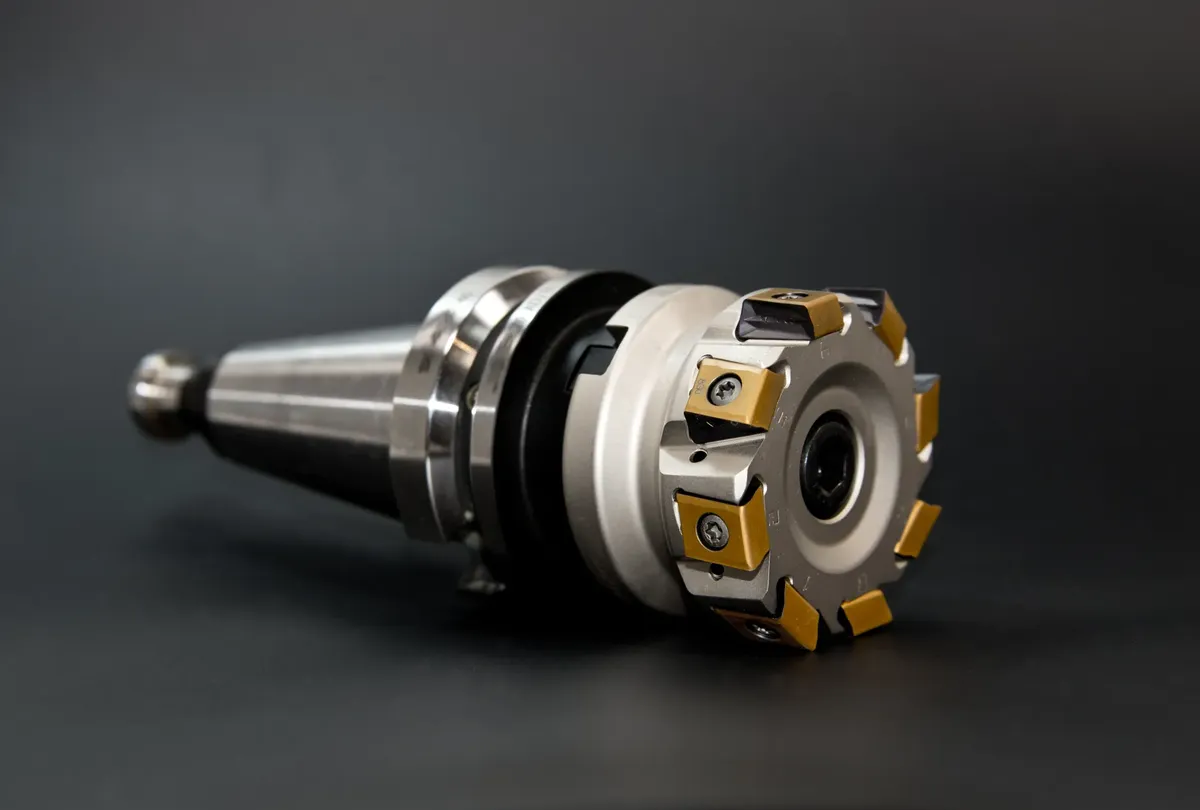
* Standardization and research-driven design bridge the gap between lab innovation and industrial application.
How does the shift to electric motors affect tool tech research synergy?
An engineer examines a new electric motor assembly on a workbench, noting the compact design. The transition to electric power requires a different set of precision tools and maintenance protocols.
The move toward electrification has fundamentally changed the tools required on the assembly line. Many factories witnessed a 30% increase in output owing to the increasing shift to electric motors.
This surge in production capability necessitates more robust and specialized tooling to handle higher-speed or high-torque applications.
Industrial tool innovation relies on understanding these power shifts to develop compatible hardware. As motors become more central to automation, R&D efforts must focus on durability and precision.
This synergy ensures that the mechanical tools can keep pace with the electronic advancements driving modern production.
However, the benefits of synergy may be limited if the research teams focus on incompatible hardware architectures.
What drives the need for advanced tool development in global markets?
Standing in the bustling shipyard at dawn, the foreman grips the cold steel railing and asks how the market does drive such rapid change.
A technician compares the output of two different manufacturing hubs on a digital tablet. Global competition dictates the pace of technological adoption and tool refinement.
Global manufacturing leaders utilize high-level R&D to maintain their market share.
According to the United Nations Industrial Development Organization (UNIDO), China is the manufacturer with the highest output worldwide in 2023, producing 28.7% of the total global manufacturing output, followed by the United States of America, Germany, Japan, and India.
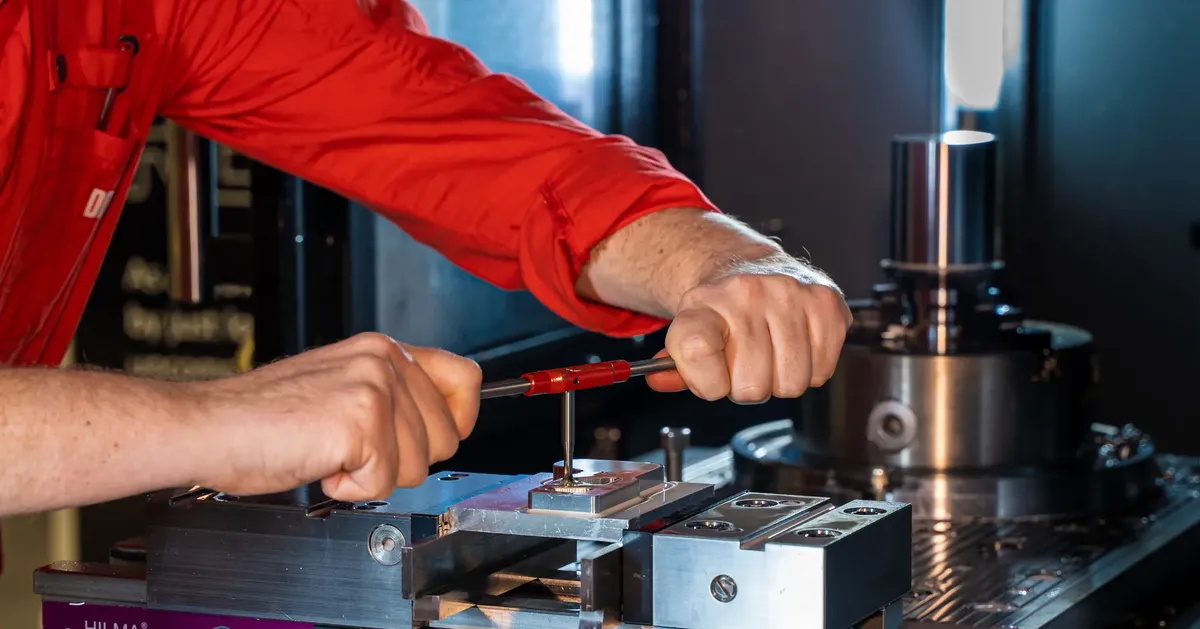
This massive scale of production requires tools that are both reliable and highly efficient. Advanced tool development is not just about making better wrenches or screwdrivers; it is about creating integrated systems that support massive, high-output environments.
Competitive advantages are often built on the back of superior tool technology.
However, the effectiveness of these tools is limited when market demand fluctuates faster than development cycles.
How does industrial tool innovation address labor shifts?
A worker watches an automated crane move a heavy crate across a wide factory floor. Automation often necessitates a complete redesign of the tools used for manual tasks.
The automation of heavy tasks changes the role of the human operator and the tools they use. For example, an electric overhead crane replaced 36 day laborers for moving heavy loads across the factory.
This type of automation shifts the focus of tool development from brute strength to precision control and safety.
R&D-driven innovation must account for these labor changes by creating tools that interface seamlessly with automated systems. As heavy lifting and repetitive tasks are handled by machines, human-operated tools must become more specialized for fine-tuning and oversight.
This ensures that the workforce can manage complex, automated environments effectively.
However, automation-driven innovation does not eliminate the need for human oversight in complex decision-making processes.
Why is regulatory priority important for R&D impact on tools?
A compliance officer reviews a set of safety standards against a new prototype. Government standards often dictate the direction of technical research and product design.
In many nations, the manufacturing sector is a vital economic pillar, leading to specific research priorities.
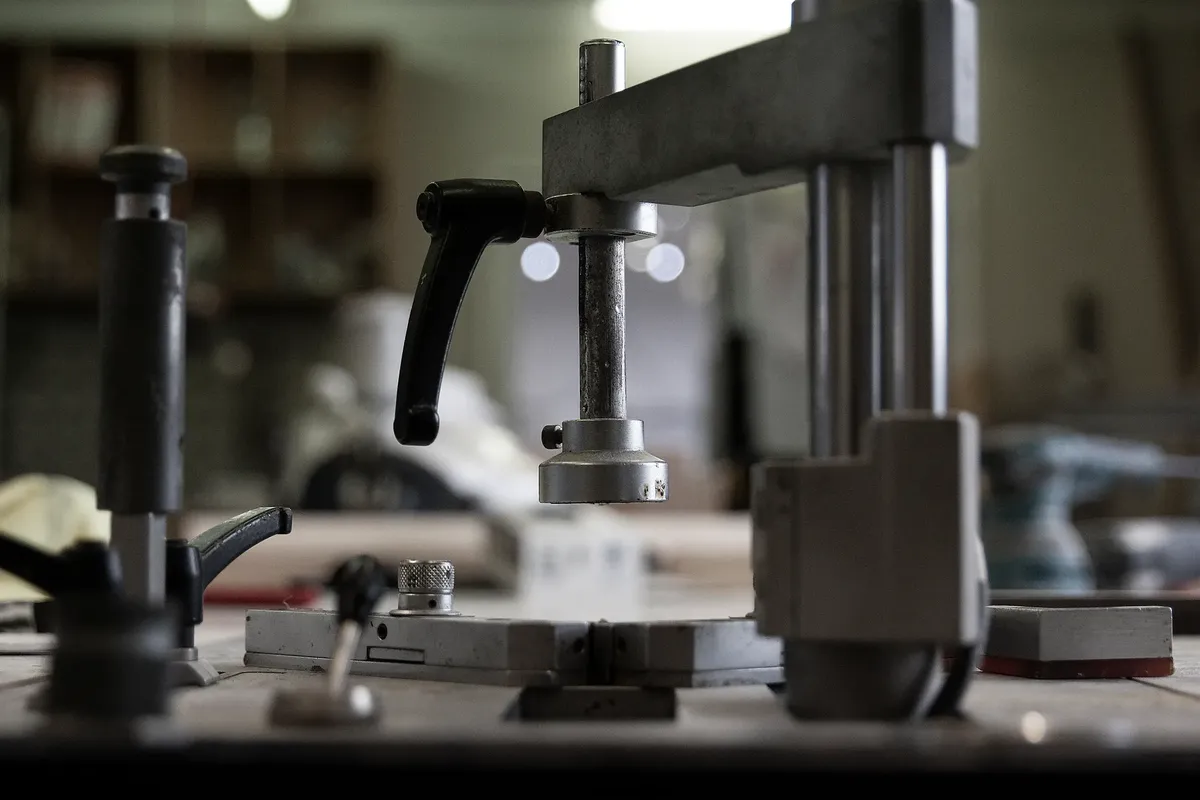
In the United States, the manufacturing sector is identified as a priority industry by the National Institute for Occupational Safety and Health (NIOSH) within the National Occupational Research Agenda (NORA).
These regulatory frameworks influence how companies approach R&D. When a sector is a priority, research often focuses on safety, ergonomics, and efficiency to meet national goals. This ensures that tool innovation serves both economic growth and worker protection within the industrial landscape.
However, strict regulatory compliance can sometimes slow the pace of experimental R&D.
What role does standardization play in lab collaboration tool features?
A researcher compares a new tool component against an established ASTM standard. Without clear standards, the integration of new technologies becomes difficult for manufacturers.
Standardization provides the baseline upon which all new tool features are built.
At the US Environmental Protection Agency's recommendation, a 2013 revision to the ASTM standard replaced the "chasing arrows" with a solid equilateral triangle, but the old symbols are still widely used among manufacturers.
While symbols and standards evolve, they provide the necessary language for global trade and tool compatibility. Lab collaboration tool features must be designed to meet or exceed these evolving standards to ensure they can be used globally.
This consistency allows for the seamless integration of new tools into existing production lines.
However, standardization may limit flexibility when researchers require highly specialized, non-standard configurations.
How to implement new tool technologies in a factory setting?
A supervisor walks through a production line, checking the calibration of newly installed equipment. Integrating new technology requires a structured approach to prevent downtime.
To successfully integrate new tools into an existing environment, follow these steps:
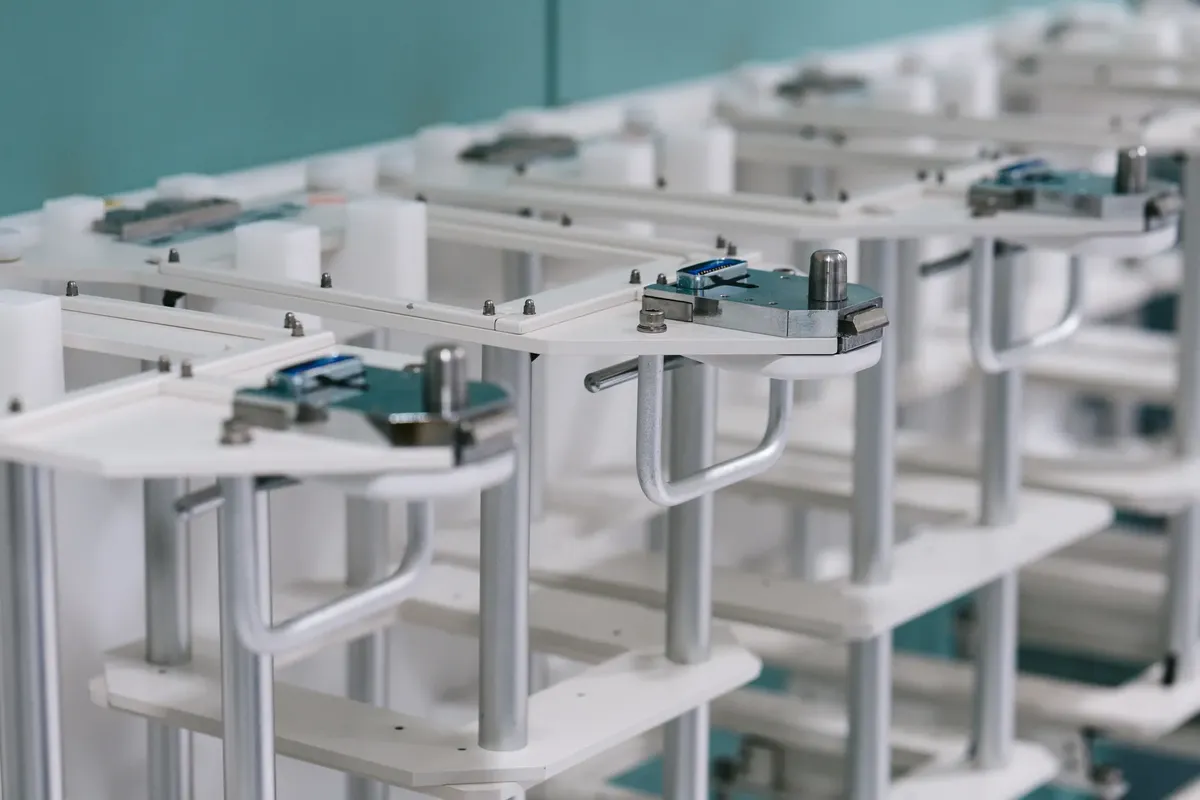
- Assess current equipment compatibility with the new technological requirements. 2. Conduct pilot testing in a controlled environment to validate performance and safety. 3. Train the workforce on the specific operational nuances of the new tools.
After completing these steps, perform a final check to ensure the new tools meet the required output and safety benchmarks. I have seen that skipping the pilot phase often leads to significant integration issues on the factory floor.
| Feature Category | Impact on Production |
|---|---|
| Electric Motor Integration | 30% increase in output |
| Automated Crane Systems | Replacement of 36 laborers |
- Assess current infrastructure compatibility.
- Execute a phased integration of the new technology.
- Train personnel on the updated operational protocols.
- In this sequence, the second step is the most intensive.
Tool maker R&D innovation
The subject here is Tool maker R&D innovation.
This part also covers New tool functions research.
This part also covers Manufacturing innovation process.
Related





Comments 0