Industrial tool history change: How to guide modern industry
"The transition from hand-driven implements to automated machinery represents the fundamental shift in industrial capability."
The history of industrial tool evolution is defined by the movement from manual labor to specialized machine power. This transition encompasses the development of hand-driven tools to automated systems that process materials with high precision.
Key takeaways include the shift in manufacturing employment, the definition of machine tools, and the technological changes that moved production away from human muscle.
How did the workforce change during the industrial tool history change?
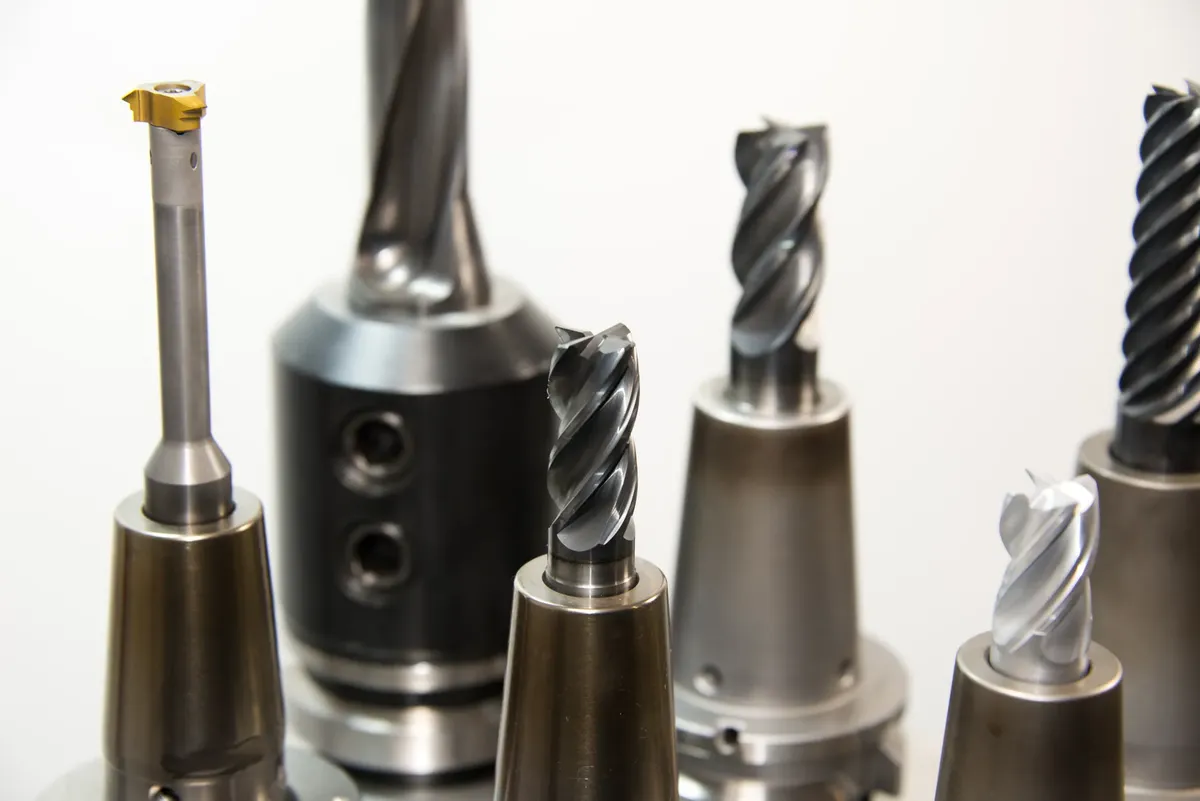
A worker in a mid-century factory grips a heavy steel wrench to tighten a bolt. This scene of manual labor reflects a period when human strength was the primary driver of production.
The shift in labor dynamics is evident when looking at historical employment trends. For example, employment in manufacturing in the United States declined from over 30% in the 1940s to just over 10% 70 years later. This change indicates a massive move toward automation and away from manual labor.
As machines took over tasks, the nature of work changed. The reduction in the workforce shows how much more efficient tools became over time. This movement represents a core part of the industrial tool history change.
- Shift from manual craftsmanship to specialized machine operation.
- Transition from localized workshops to large-scale factory environments.
- Integration of digital literacy into traditional mechanical roles.
- In this sequence, the third step represents the most recent shift.
What defines a machine tool in industrial settings?
In the dim morning light of the factory, an operator feels the rhythmic vibration of the metal as the industrial machine cuts through steel.
An operator stands before a large metal lathe, watching as a spinning blade cuts through a steel rod. The machine hums with a steady, rhythmic vibration that replaces the sound of hand tools.
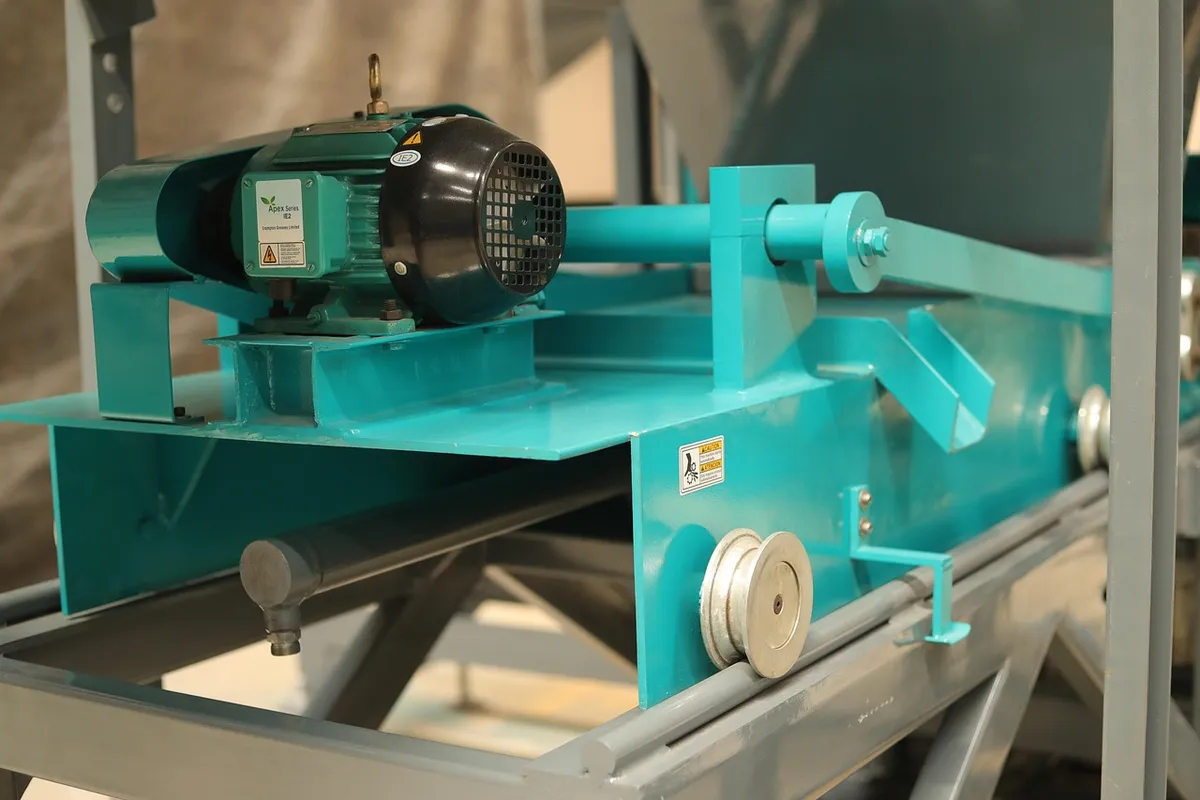
According to the National Bureau of Economic Research, a machine tool is defined as "any machine operating by other than hand power which employs a tool to work on metal".
Understanding the technical boundary between manual and automated work is essential. The National Bureau of Economic Research (NBER) referenced the definition of a machine tool as "any machine operating by other than hand power which employs a tool to work on metal."
This definition separates traditional hand tools from modern industrial equipment. It highlights how power sources shifted from human muscle to external energy. This distinction is a cornerstone of power tool evolution.
How did manufacturing technology evolve over time?
An engineer examines a blueprint next to a complex assembly of gears and pistons. The room is filled with the scent of oil and the sound of heavy machinery.
The transition from manual to automated processes involved several key stages. First, tools were designed to extend human strength. Second, engines provided a consistent power source. Third, precision components allowed for repetitive, high-speed tasks.
The development of these systems facilitated the manual tool development seen in earlier eras. As technology progressed, the reliance on individual hand strength diminished. This technological leap changed the scale of production forever.
What are the primary differences in tool use?
A craftsman compares a heavy iron hammer to a modern pneumatic nail gun. The weight and feel of the objects illustrate the gap between eras of production.
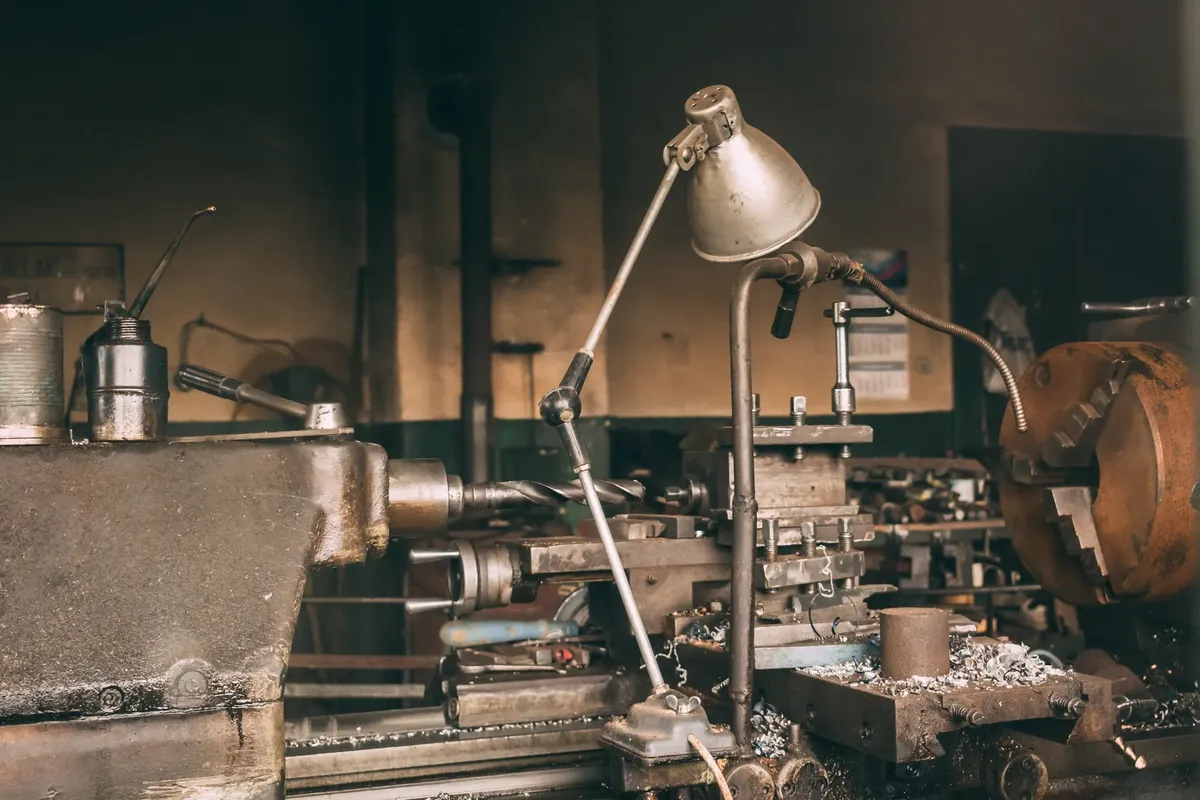
The differences between different eras of tools can be categorized by their power source and precision.
| Feature | Manual Tools | Machine Tools |
|---|---|---|
| Power Source | Human Muscle | External Energy |
| Primary Use | Direct Handwork | Metalworking/Processing |
I observed how much more specialized modern equipment is compared to the multi-purpose hand tools of the past. This comparison shows how tool maker changes influenced the entire manufacturing sector.
How can we apply these historical lessons to modern industry?
A technician performs a routine check on a robotic arm in a clean, brightly lit factory. The precision of the movement is far beyond anything a human could achieve manually.
Applying historical knowledge to current industrial setups requires a structured approach to maintenance and operation.
- Identify the power source and mechanical limitations of the equipment. 2. Calibrate the tool to ensure precision meets modern standards. 3. Perform regular maintenance to prevent mechanical failure.
After completing these steps, a final check of the tool's accuracy ensures it meets the required tolerances. This systematic approach is necessary for modern industrial equipment shift.
What limits our understanding of tool history?
A historian looks through a glass case at a collection of rusted hand tools from a century ago. The fragile state of the artifacts makes it difficult to see the full scope of their original function.
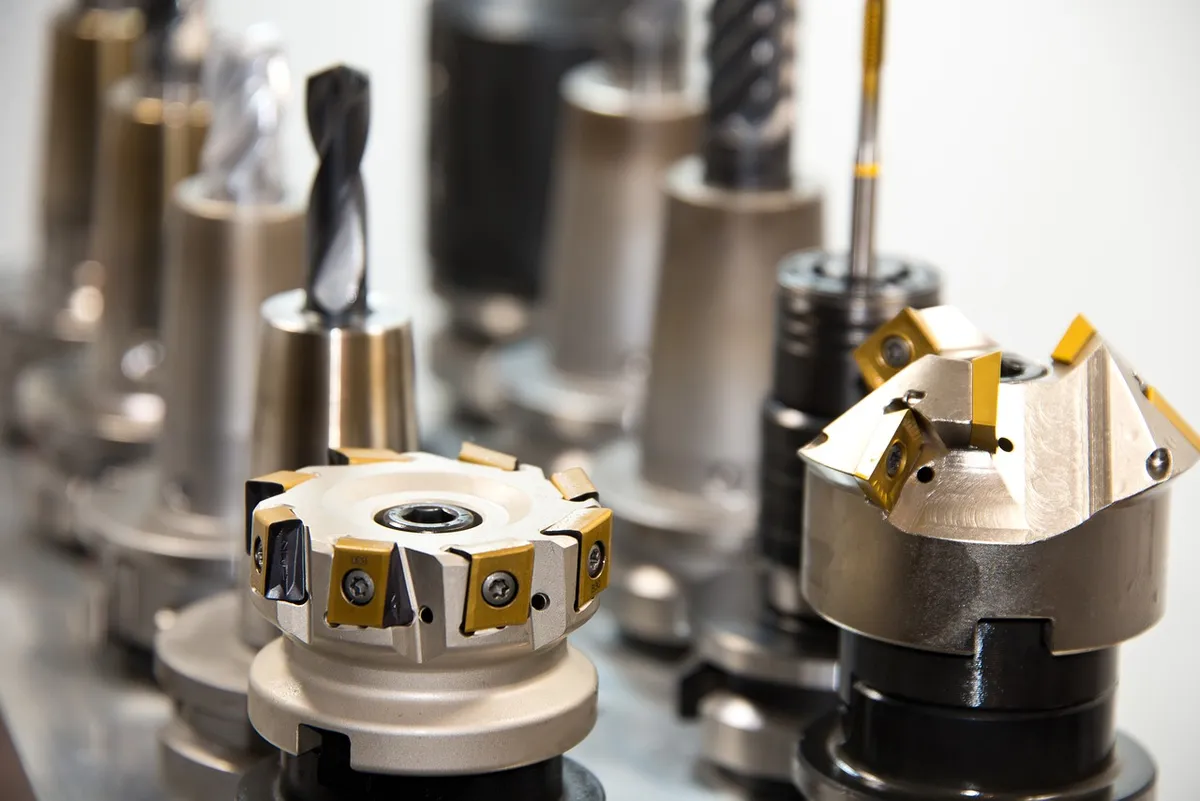
A limitation of studying these tools is that the physical condition of surviving artifacts can bias our understanding of technological use.
Some assemblages in certain regions may show a bias toward specific materials, such as how 70% of the artifacts at sites EG10 and EG12 were composed of trachyte, indicating a selectivity in the quality of stone used.
This selectivity means that our historical record might reflect the availability of materials rather than the full range of tool capabilities.
This part also covers Early tool manufacturing trends.
This part also covers Modern tool technology comparison.
Early tool manufacturing trends
Related
- Family tool company growth: Guide to 50% control
- Solid Carbide Bits Guide Precision bit manufacturing trends
What are the implications of the transition for modern manufacturing? 1. The shift from hand-driven implements to automated machinery necessitates a different skill set among workers. 2. Modern processes demand expertise in programming and system oversight rather than brute physical application. 3. Understanding this transition helps predict future labor needs in advanced production environments.
This evolution shows how the reliance on human muscle gave way to complex mechanical systems. The comparison between manual and machine tools underscores this fundamental change in capability. The transition itself forced a reevaluation of what constitutes skilled labor in industry.
How does the precision of machine tools compare to manual tools? Machine tools achieve a level of accuracy unattainable through direct handwork. The definition of a machine tool emphasizes its use of a tool to work on metal using power other than hand power. This capability allows for repetitive tasks to be executed with consistency that hand tools cannot match. The difference in precision is a direct result of the power source shift.
This technological leap meant that the quality of output became less dependent on the immediate physical condition of the operator. The consistent operation of automated machinery ensures uniformity across production runs, a marked departure from the variable output associated with hand implements.




Comments 0