Precision tool brand merger impact: Why brand fusion helps
"The convergence of specialized engineering and brand identity defines the reliability of precision tools used in high-stakes environments."
The integration of precision tool brands can significantly impact product quality by merging specialized engineering expertise with established manufacturing standards. This process aims to streamline production while maintaining the rigorous tolerances required for specialized applications.
This guide explores how brand fusion boosts tool quality, the technical implications of caliber-based design, and the practicalities of maintaining professional standards.
How does brand fusion boost tool quality?
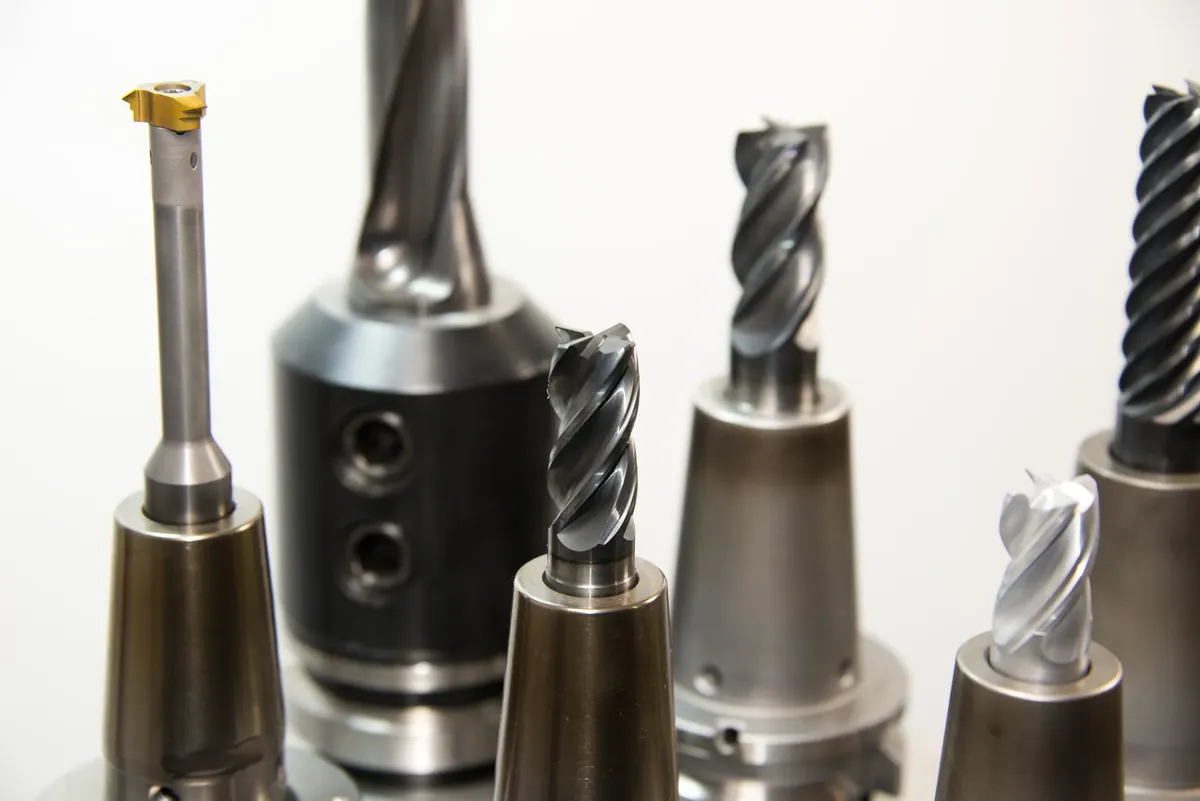
An engineer examines the seamless transition between two different metal components joined during a manufacturing merger. A successful precision tool brand merger impact is often seen when the combined research departments create more robust mechanical systems.
When two specialized manufacturers combine, they often integrate unique proprietary technologies that neither could produce alone.
This synergy allows for the development of more advanced components, such as the transition from the 1975 XB-6 prototype with a long-stroke gas piston to the 1977 XB-7 conversion. Such transitions demonstrate how merging precision tool lines can lead to refined operational designs.
The integration of specialized expertise ensures that the final product meets higher technical standards. By combining different manufacturing philosophies, companies can mitigate individual design flaws.
This process of merging precision tool lines often results in a more versatile product capable of meeting various environmental demands.
- Integrate core engineering principles from both manufacturers.
- Cross-reference material durability standards.
- Synchronize precision calibration protocols.
What are the technical implications of combining caliber-specific designs?
A technician carefully checks the chamber of a firearm to ensure it matches the specific requirements of the ammunition being loaded. When dealing with shoulder-fired, gas-operated systems, the design must accommodate specific ammunition types to maintain accuracy.
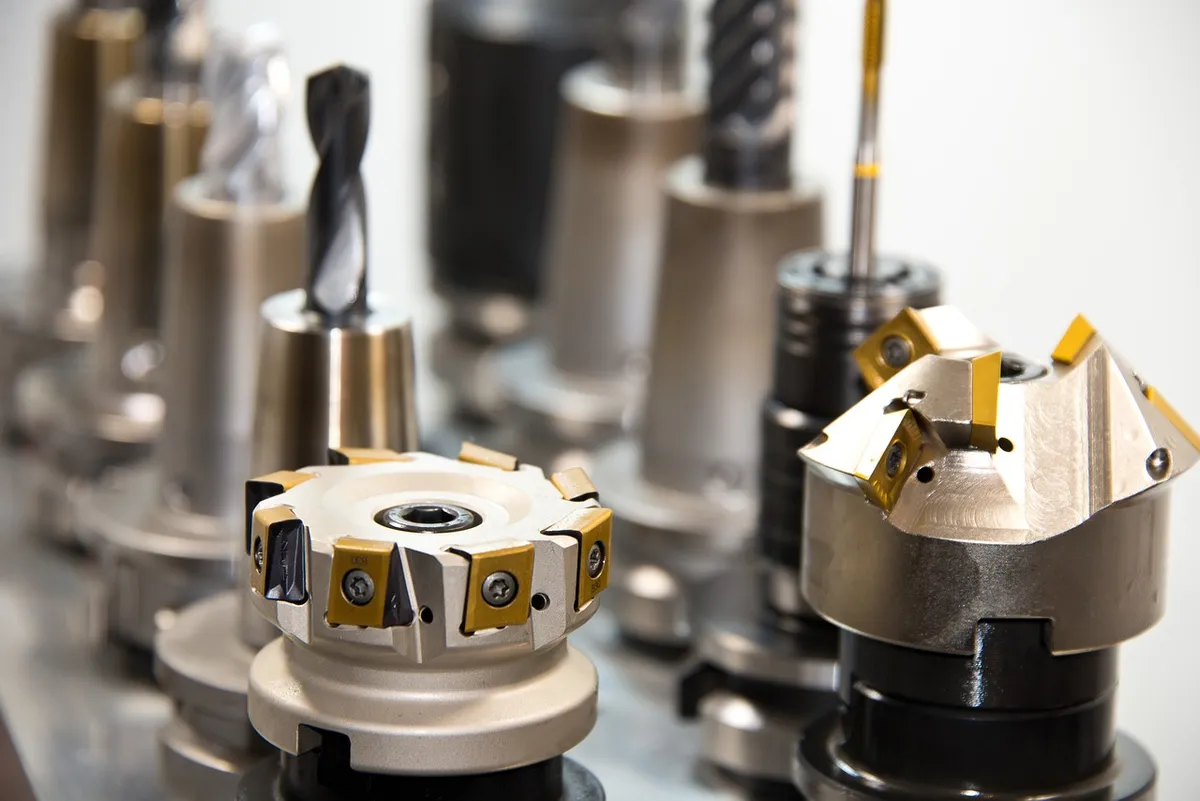
The K2 is capable of firing both 5.56×45mm NATO and .223 Remington ammunition. However, using .223 Remington is only recommended for practicing for short distance. This technical reality shows that while versatility is a goal of integrated design, specific constraints remain.
The initial design requirements for certain prototypes involved chambering in 7.62×51mm NATO because it was the only standardized ammunition for the Western Bloc. This historical context highlights how specialized tool design must adapt to available standards.
Advanced tool synergy allows engineers to design platforms that can handle these varying requirements through modularity.
In this sequence, the second step is the most extensive.
How do we manage the transition of specialized tool technology blend?
A workshop supervisor reviews the updated production manual after a company transition to ensure all staff follow the new protocols. Managing a brand transition requires careful oversight of technical knowledge and manufacturing processes.
- Review the historical design constraints, such as the 310 mm (12 in) barrel length or the 6-groove, 185 mm (1-in-7.3) right hand twist barrel rifling. 2. Standardize the assembly of components like the upper receiver/handguard Picatinny rail or the right side-folding M4-style retractable stock to ensure compatibility across the new brand line. 3. Verify that all new models, such as the semi-automatic 5.56×45mm NATO versions for the US civilian market, meet the specific legal and technical requirements of the target market.
I once observed a production line where the integration of two different barrel-making techniques required a complete recalibration of the rifling machines. This process of expert tool technology blend ensures that the final product remains consistent with the brand's legacy of precision.
How do professional bodies oversee tool standards?
A member of a professional association attends a seminar to verify that their technical skills meet the current industry standards. Professional oversight is a cornerstone of maintaining quality during brand transitions.
According to the Science Council, a professional body is defined as "an organisation with individual members practicing a profession or occupation in which the organisation maintains an oversight of the knowledge, skills, conduct..."
In the UK, the Science Council defines a professional body as an organisation with individual members practicing a profession or occupation in which the organisation maintains an oversight of the knowledge, skills, conduct, and other aspects of practice.
This type of oversight is critical when two companies merge and must establish a single standard of excellence.
The goal of such oversight is to ensure that the specialized knowledge of one brand is successfully transferred to the combined entity. This prevents a drop in quality during the period of integration.
Establishing a unified professional standard helps maintain the integrity of the specialized tools being produced.
What are the limitations of integrated tool systems?
A researcher notes that certain specialized tools are not suitable for all environments despite their advanced features. Every technical design has inherent constraints that must be understood by the end-user.
The K2 can be equipped with the DPI K201, an under-barrel 40×46mm single shot grenade launcher. However, adding attachments can change the weight and balance of the primary tool. For example, the K2 weighs 3.3 kg (7.3 lb) and is 880 mm (35 in) long with the stock extended.
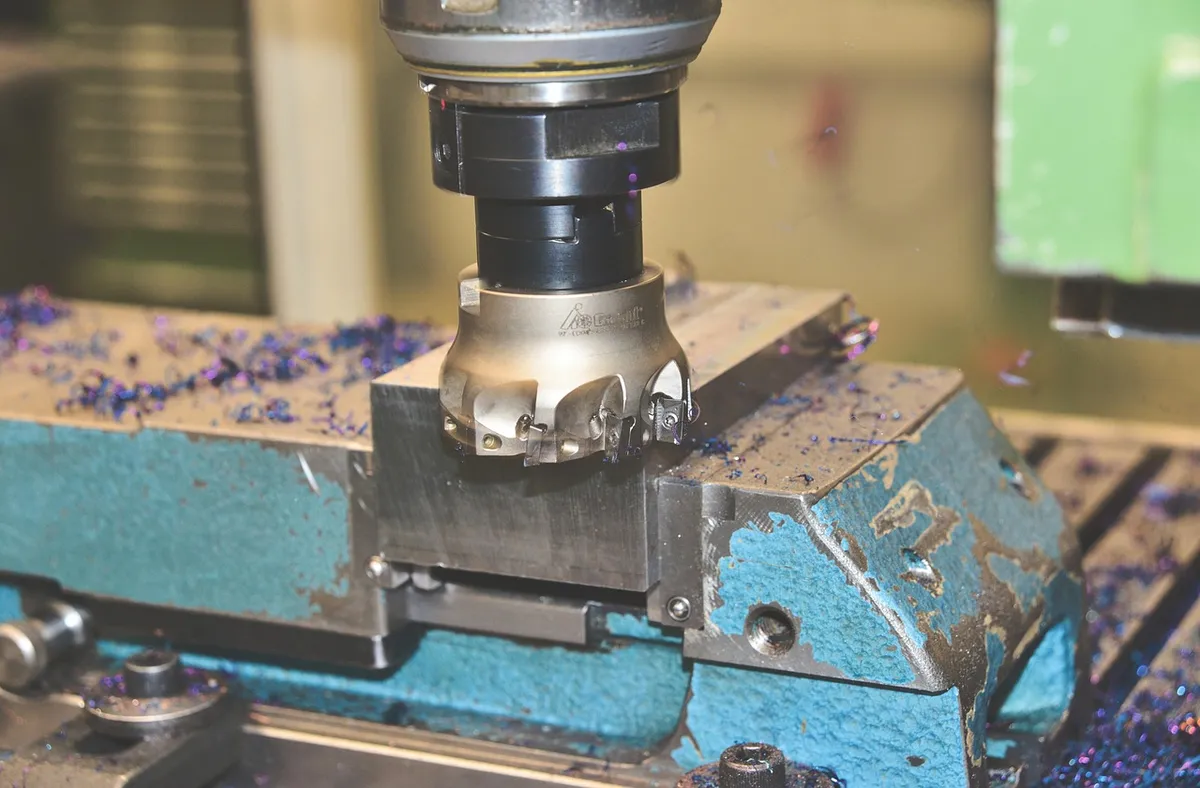
A limitation in tool design is that specialized attachments or specific ammunition choices can restrict the tool's intended use. For instance, while the K2 is versatile, using .223 Remington is only recommended for short-distance practice.
This demonstrates that even with advanced tool synergy, operational constraints are a reality of precision engineering.
| Feature | K2 Specifications | | :--- much | :--- | | Barrel Length | 310 mm (12 in) | | Weight | 3.3 kg (7.3 lb) |
Precision tool brand merger impact
The same subject is also called Tool brand integration quality.
The same subject is also called Specialty tool combination.
The same subject is also called Industrial tool expertise.
How brand fusion boosts tool quality
Related





Comments 0