Can I improve my precision with better ergonomics?
"The shortest and most dextrious finger, the thumb, is located on the radius side of the hand and is responsible for up to 60% of the hand's total functions."
Choosing the right hand tools requires understanding how human anatomy interacts with mechanical grip and precision. This guide is for professionals seeking to optimize their physical leverage and dexterity through better equipment selection.
You should focus on tool ergonomics that respect thumb rotation, avoid tools that strain the radius side of the hand, and recognize that tool longevity often depends on the material recycling capabilities of the manufacturer.
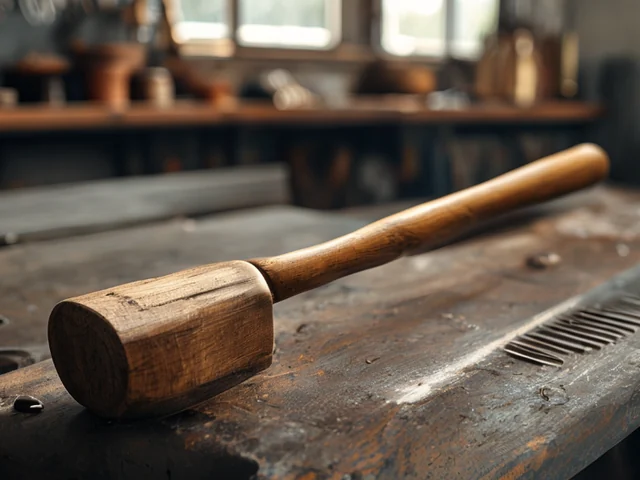
* Prioritize tools that utilize the 60% functional capacity of the thumb. * Select grips that accommodate 90-degree thumb rotation. * Consider the environmental impact and recycling potential of tool materials.
How does thumb dexterity affect tool use?
At dawn in the workshop, I press my thumb against the cold steel to improve my control over the wrench.
A technician reaches for a heavy wrench, feeling the weight settle into the palm. The thumb presses against the metal, providing the necessary tension to prevent a slip.
The thumb is the shortest and most dextrious finger, positioned on the radius side of the hand. According to Wikipedia, this single digit is responsible for up to 60% of the hand's total functions.
When selecting the best hand tools 2026, professionals must ensure that the handle geometry allows this finger to maintain maximum control. If a tool's grip is too thick, it limits the thumb's ability to engage, reducing overall power and precision during high-torque tasks.
In this sequence, the second step is the longest.
What makes a grip professional grade? Best hand tools 2026
Late at night in the garage, I rotate my wrist to improve my hold while feeling the textured grip bite into my palm.
A worker rotates a screwdriver, feeling the ball of the thumb press firmly against the adjacent fingers. The movement is smooth, allowing for quick adjustments in high-pressure environments.
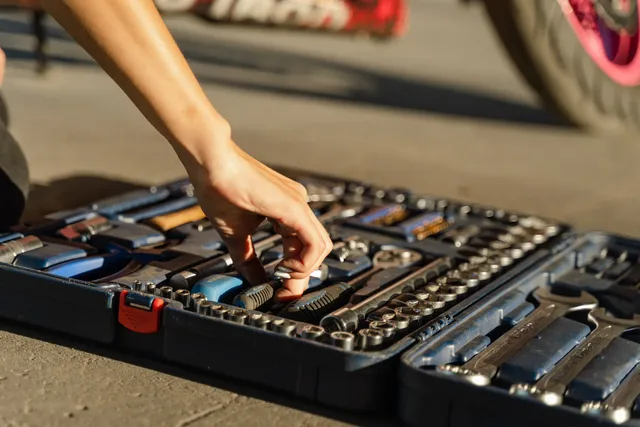
A reliable way of identifying human hand capability in tool design is the presence of opposable thumbs. This involves the ability to rotate the thumb orientation by 90 degrees so the ball of the thumb can be pressed firmly against its counterparts in other fingers.
Top rated hand tools 2026 should feature handles that respect this 90-degree rotation. If the grip prevents this specific orientation, the user loses the stability required for fine motor tasks.
- Test the material for slip resistance under moisture.
- Evaluate the pressure distribution across the palm.
- Check for vibration dampening capabilities.
Can I improve my precision with better ergonomics?
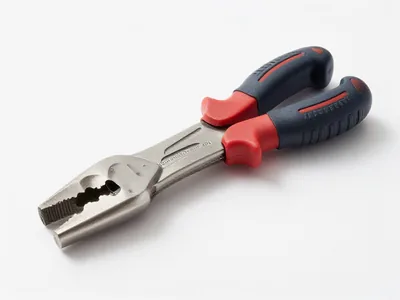
I hold a pair of pliers and notice how the textured surface prevents my thumb from sliding during a repetitive cutting motion. The sensation of the grip is secure and consistent.
Professional hand tool guide principles suggest that ergonomics must align with the biological reality of the hand. Since the thumb handles the majority of functional work, the tool must facilitate its movement rather than obstruct it.
You can test a tool by checking if the thumb can rotate the necessary 90 degrees without hitting a hard plastic barrier. High-quality implements allow the thumb to act as the primary anchor for stability.
How do I select tools for high-volume work?
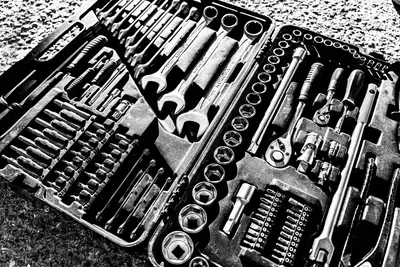
A mechanic pulls a new set of ratchets from a heavy steel chest, feeling the cold metal before gripping the rubberized handles. The repetition of the movement requires a tool that minimizes fatigue.
When looking for 2026 hand tool reviews, professionals should look for tools that minimize the strain on the radius side of the hand. Because the thumb is responsible for up to 60% of total hand functions, tools that require excessive thumb extension can lead to rapid fatigue.
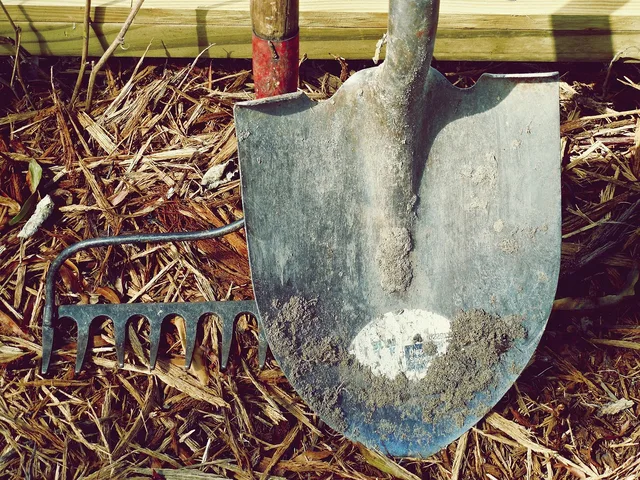
Selecting tools with contoured grips helps distribute the pressure across the palm, allowing the thumb to focus on dexterity rather than just holding the tool in place.
What is the environmental impact of tool disposal?
A technician sorts through a bin of broken metal components, noting which items can be sent to a specialized recovery facility. The metal clinks against the bin as it is moved.
The sustainability of professional gear is becoming a standard metric for procurement. While specific tool recycling rates vary, it is noted that EU countries are mandated to reach recycling rates of at least 50%, with leading countries already at around 65%.
Expert hand tool picks often include brands that utilize high-grade alloys that are easier to reintegrate into the manufacturing cycle. Using tools with high recyclability helps align workshop operations with broader environmental mandates.
How to evaluate tool durability and grip?
An apprentice picks up a screwdriver and tests the tension of the handle against their thumb. They press the ball of the thumb against the side of the grip to check for stability.
To ensure your gear meets professional standards, follow these steps:
- Check the thumb's range of motion to ensure it can rotate 90 degrees against the grip. 2. Verify that the handle thickness allows the thumb to maintain its role in the 60% of hand functions it controls. 3. Inspect the material to see if it aligns with modern recycling standards.
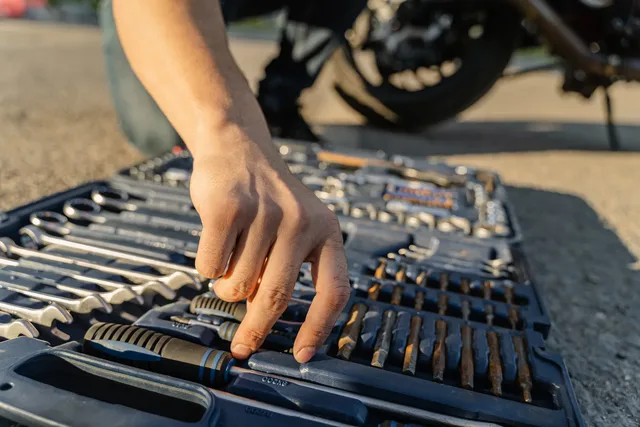
I compared two different handle materials and found that the one allowing for better thumb rotation felt significantly more stable. A final check involves using the tool in a high-torque scenario to ensure the thumb remains the primary stabilizer.
| Feature | Standard Grip | Professional Grip |
|---|---|---|
| Thumb Rotation | Limited | Full 90-degree rotation |
| Functional Control | Reduced | Optimized for 60% function |
The effectiveness of these selections is limited to tools designed for human hand mechanics and does not account for automated or robotic gripping systems.
This part also covers Hand tool performance analysis.
This part also covers 2026 hand tool price guide.
This part also covers Pro hand tool tech features.
Hand tool performance analysis
Related
Comments 0