How did early catalog distribution drive tool sales?
"This mail order division mailed annually six million catalogs nationwide and grew the business to more than seven times its size by offering tools to a national audience, realizing 25% annual growth."
The transition from physical catalogs to digital storefronts represents a fundamental shift in how woodworking equipment reaches the consumer. This analysis explores how early mail-order strategies laid the groundwork for modern e-commerce by scaling tool distribution through national reach.

Key takeaways include the impact of mass catalog distribution on business growth, the scaling of a national audience, and the shift toward digitalized trade.
How did early catalog distribution drive tool sales?
A worker sits at a heavy oak desk, flipping through a thick, paper-bound catalog to select a new chisel set. This tactile interaction was the precursor to the modern digital shopping experience, serving as a bridge between local workshops and national suppliers.
In the early stages of tool distribution, catalog-based models allowed businesses to reach far beyond their local storefronts.
According to Wikipedia, one mail order division mailed annually six million catalogs nationwide and grew the business to more than seven times its size by offering tools to a national audience, realizing 25% annual growth.
This massive scale of physical distribution provided the initial momentum for what would eventually become modern e-commerce.
The ability to present a wide variety of woodworking equipment to a broad audience through print media created a reliable revenue stream. These catalogs acted as the first version of an online shop, providing product details and ordering systems to remote users.
This early model established the logistics and customer reach necessary for future digital expansion.
- Companies printed comprehensive product lists to reach remote areas.
- They established logistics networks to handle bulk shipping.
- They utilized seasonal marketing to encourage repeat orders.
- In this sequence, the second step is the most extensive.
What were the stages of the early tool selling transition? Wood tool e-commerce start
While standing in the dim warehouse late at night, a clerk sighs as he moves from heavy paper stacks to the early glow of a computer screen.

A technician examines a vintage mailing list, comparing it to a modern digital database to understand how customer reach has evolved. Understanding the shift from physical to digital requires looking at how businesses scaled their operations.
The evolution of the woodworking sales model can be understood through these three development phases:
- Establishing broad reach through massive print distribution to a national audience. 2. Scaling business size through consistent annual growth and expanded product lines. 3. Transitioning these established customer bases into modern digital platforms.
I remember looking at these historical growth figures and realizing how much the logistics of shipping heavy wood tools have changed since the era of six million catalogs.
This transition from catalog-based sales to digitalized tool trade required a complete overhaul of inventory and delivery systems.
How can we compare catalog-era growth to modern e-commerce?
A manager compares the growth rates of a traditional mail-order company with a modern digital retailer to find commonalities in scaling. This comparison highlights the logistical power of reaching a national audience.
The following table compares the historical performance of the mail-order division mentioned in the records to illustrate the scale of early distribution.
| Metric | Historical Catalog Performance |
|---|---|
| Annual Catalog Volume | Six million catalogs |
| Business Growth Scale | More than seven times its size |
The sheer volume of physical mail sent ensured that the brand remained visible to potential woodworkers across the country. This level of engagement was the foundation for modern digital marketing strategies.
What are the limitations of early distribution models?
A warehouse worker organizes heavy tool shipments, noting the physical constraints of shipping large items via mail. While the growth was significant, the transition faced specific hurdles.
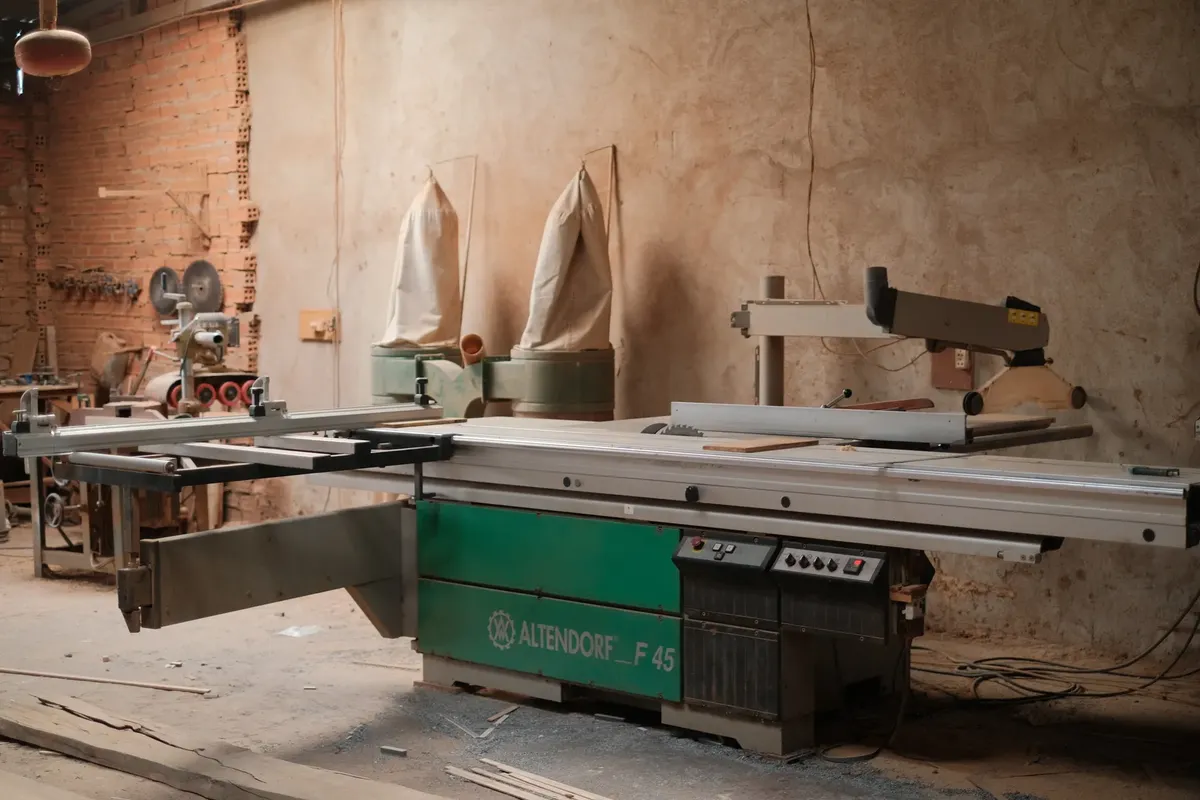
The primary limitation of the early mail order model was the physical constraint of logistics and the lack of real-time inventory updates.
While the business realized 25% annual growth, managing the distribution of heavy woodworking equipment through traditional mail was significantly more complex than modern digital fulfillment.
The subject here is Wood tool e-commerce start.
The same subject is also called Tool distribution online.
The same subject is also called Online craft supply.
This part also covers From catalog to online shop.
This part also covers Evolving tool sales methods.
From catalog to online shop
Related
- Precision joint integrity platform: Guide to common purpose
- Specialty tool maker history: Guide to revenue distribution
How did the initial mail order structure facilitate national market penetration?
The initial mail order structure successfully facilitated national market penetration by utilizing the massive distribution of physical catalogs. This broad distribution method allowed the business to bypass the limitations of a localized storefront, reaching woodworkers across the entire country.
The catalogs served as a consistent, tangible advertisement, ensuring the brand remained visible to potential customers nationwide. This method of reaching a wide audience established the necessary foundation for subsequent digital scaling.
The annual mailing of six million catalogs nationwide provided a predictable volume of exposure for the company. This consistent exposure was crucial for achieving the 25% annual growth rate.
The business leveraged this print reach to expand its product lines and overall size to more than seven times its original scale. This growth demonstrates the effectiveness of using mass physical distribution to build a national customer base.
What specific operational changes were required for the transition to digital trade?
The transition to digital trade required a complete overhaul of inventory and delivery systems. The shift from paper catalogs to digital storefronts necessitated moving away from reliance on physical mailing lists and heavy print logistics.
Businesses had to establish new procedures for real-time inventory tracking, which was a major limitation of the early mail order model. Furthermore, the digital platform needed to replace the catalog's function of providing detailed product information and ordering systems to remote users.
This procedural change allowed the company to manage the distribution of heavy woodworking equipment with greater efficiency than traditional mail fulfillment.
The digital platform allowed for instantaneous updates to stock levels, solving the problem of lacking real-time inventory updates inherent in the earlier system.
This capability improved the customer experience by ensuring that orders placed through the new system accurately reflected product availability.
The evolution from a catalog-based sales approach to a digitalized tool trade maintained the core objective of reaching a national audience while improving operational speed and accuracy.








Comments 0