Specialty tool maker history: Guide to revenue distribution
"The evolution of industrial manufacturing lies in the ability to pivot from traditional mechanical components to advanced, intelligence-driven solutions while maintaining core expertise."
This article examines how a global manufacturer manages the transition from legacy hardware to high-tech integration through strategic acquisitions and workforce restructuring.
We will explore revenue distribution, historical growth through international subsidiaries, and the shift toward artificial intelligence.
Key takeaways include the importance of diversifying revenue streams, the impact of strategic equity holdings, and the necessity of workforce adaptation in an automated era.
How does revenue distribution reflect industrial tool company growth?
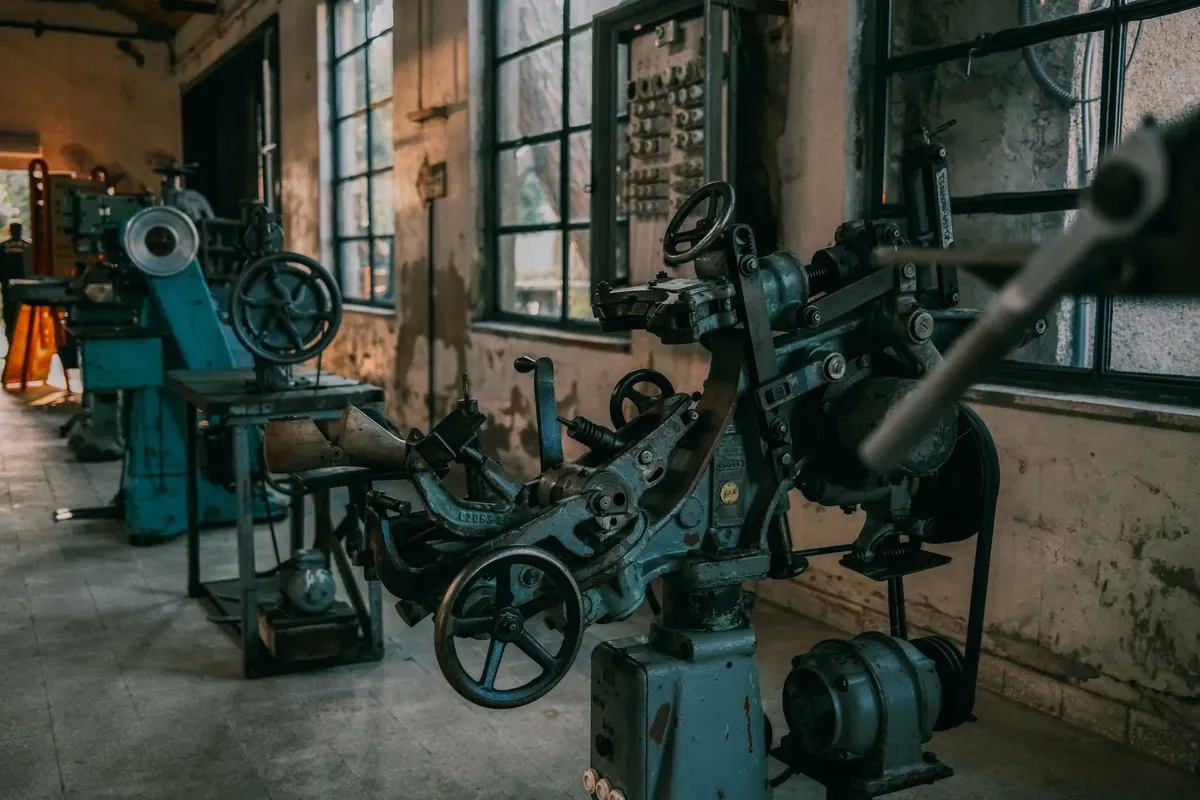
At dusk in the quiet factory, the technician runs a hand over the smooth metal, contemplating how much of the current profit fuels their specialty tool production.
A technician examines a heavy-duty assembly line where components move with rhythmic precision. In the context of a global enterprise, understanding how different sectors contribute to the total bottom line is essential for evaluating long-term stability.
According to the Bosch 2024 global annual report, one specific division accounted for 61% of global revenues of €90.3 billion. This concentration shows how a single sector can anchor a massive organization while providing the capital necessary for further expansion.
This level of revenue density often dictates the pace of research and development.
The balance between sectors helps define the trajectory of a specialty tool maker history. While one division provides the bulk of the income, other sectors provide the experimental playground for new technologies.
This interplay ensures that the company does not become overly dependent on a single market fluctuation.
- Reinvesting profits into R&D to enhance product precision.
- Scaling production capacity to meet rising market demand.
- Expanding sales channels to capture new customer segments.
What role do international subsidiaries play in precision tool evolution?
As the sun sets over the distant harbor, the manager traces the map and feels the cold metal of a specialty tool.
A manager reviews digital maps of global production sites, noting the historical footprint of the company across different continents. Developing a global presence requires navigating complex legal and operational landscapes through local entities.
The relationship between parent companies and their subsidiaries often begins with strategic equity acquisitions. For instance, by 1961, 2,000 people worked at the Bangalore plant, which had already started an export business, and 57.5% of MICO shares had been bought by Bosch.
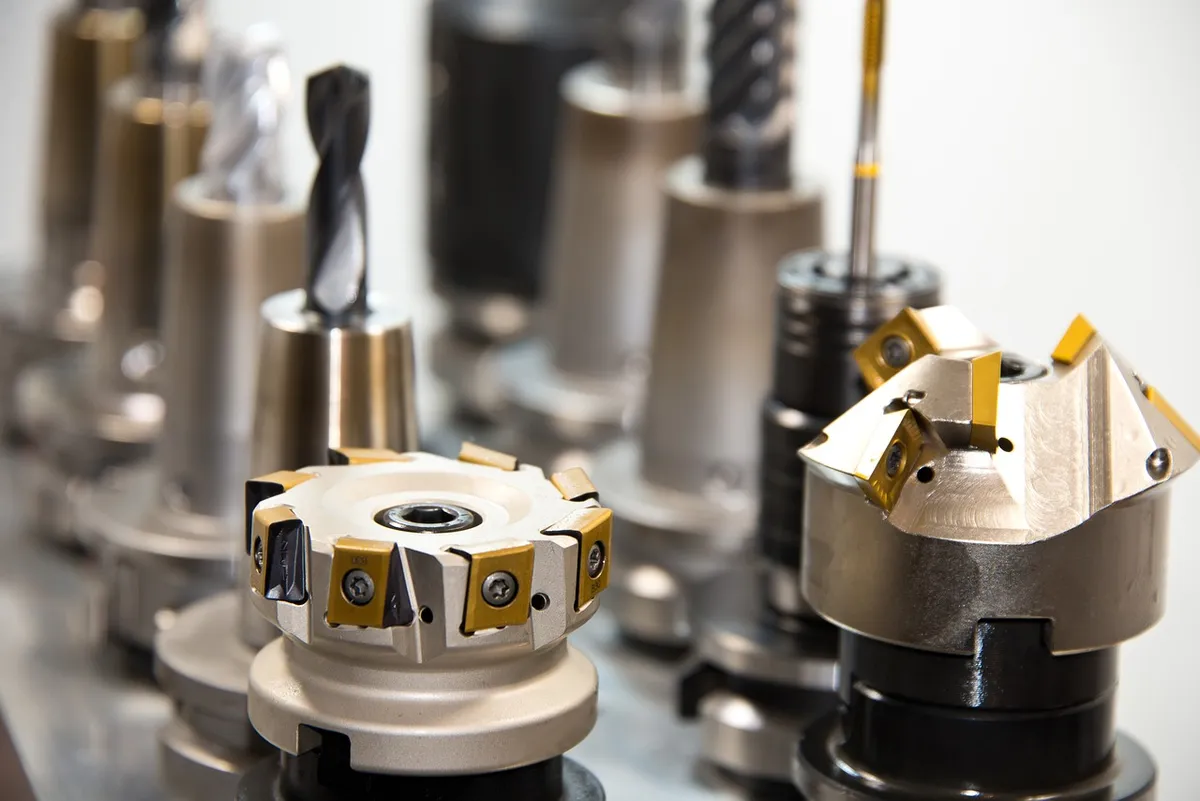
This early expansion established a foundation for regional dominance and technical integration.
Niche equipment maker story elements often involve these early international partnerships. Such moves allow a company to tap into local talent and markets while scaling specialized production. These historical steps laid the groundwork for the modern, interconnected supply chains seen today.
In this sequence, the second step is the most extensive.
How did strategic acquisitions shape the advanced tool manufacturing path?
An engineer inspects a new piece of laboratory equipment designed for testing next-generation battery stability. Acquisitions allow companies to bypass years of internal development by integrating proven, cutting-edge technology directly into their portfolio.
In 2015, Bosch took over 100% of the shares of the former ZF Lenksysteme (Steering Systems) GmbH joint venture, which was previously a 50/50 split with ZF Friedrichshafen. This move consolidated control over critical automotive steering technology.
Additionally, in 2015, Bosch purchased Seeo, Inc, a start-up working on solid-state lithium-ion batteries.
Tracking industrial tool expertise requires looking at these specific moments of consolidation. By absorbing specialized startups, a company can leapfrog competitors in high-growth areas like energy storage.
This strategy transforms a traditional manufacturer into a leader in emerging technological fields.
How does modern workforce restructuring manage the shift to automation?
A worker prepares for a shift in a highly automated facility, where robotic arms perform tasks previously done by hand. As industries move toward higher levels of autonomy, the composition of the workforce must undergo significant changes.
In September 2025, the company announced plans to cut 13,000 jobs at its auto parts business, representing 3% of its global workforce, in stages by 2030 as it relies more on artificial intelligence. This transition reflects a broader trend of replacing manual processes with intelligent systems.
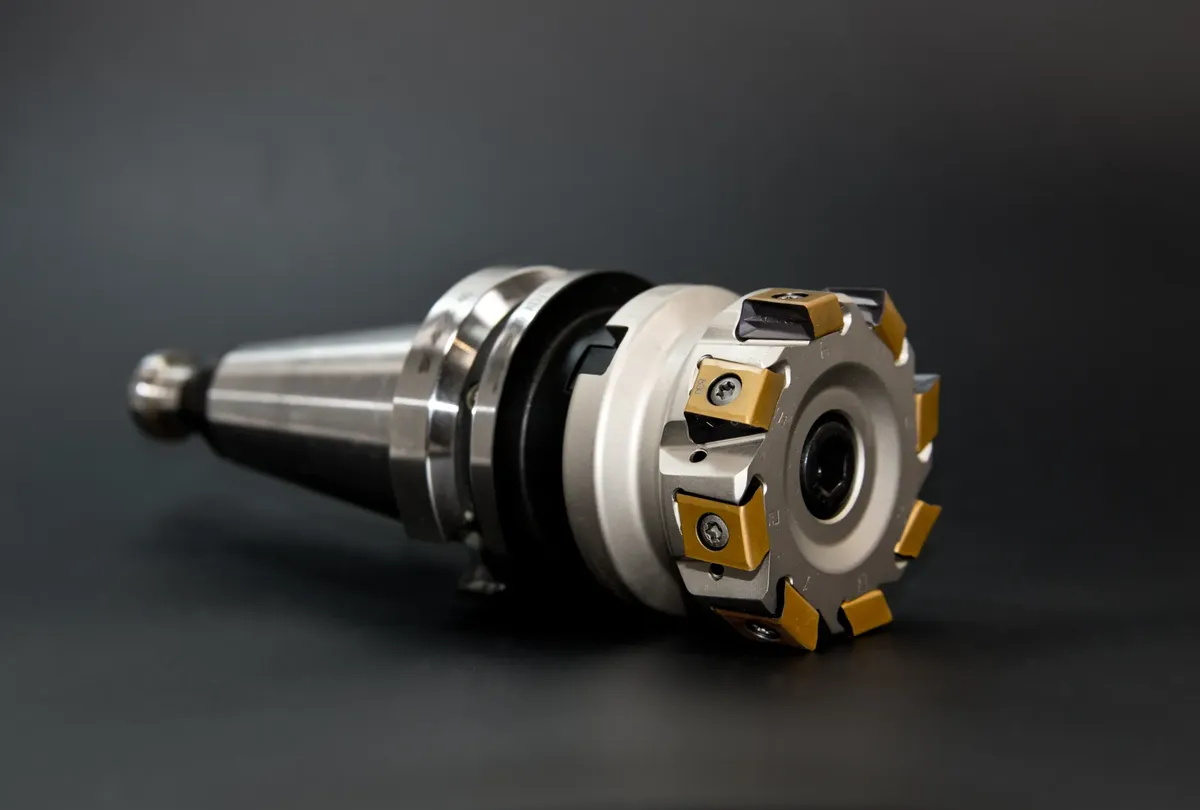
The move toward AI-driven production is a necessary part of modernizing an industrial tool company growth strategy. While job cuts are a difficult reality of restructuring, they are often presented as a way to reallocate resources toward digital innovation.
This realignment ensures the company remains competitive in an increasingly automated global market.
How is the business diversified across different sectors?
A consultant looks at a spreadsheet comparing various business units, from energy solutions to consumer retail. Diversification acts as a hedge against volatility in any single industry, such as the automotive sector.
In India, approximately 84% of Bosch India revenues come from its automotive business, with the remaining 16% split between its non-automotive businesses that include packaging, energy and building, power tools, and consumer retail.
This distribution shows a heavy reliance on automotive technology while maintaining a foothold in other markets.
The Grow Platform GmbH is the legal entity of Grow and is a 100% subsidiary of the Bosch corporation. Such specialized entities allow for focused growth in specific service or platform-based sectors.
Diversification ensures that even if one market faces a downturn, the corporation maintains financial health through other channels.
How are service solutions integrated into the manufacturing ecosystem?
A logistics coordinator tracks a shipment of parts moving through a global distribution network. Beyond physical products, modern companies often provide the digital and logistical infrastructure to support their clients.
The Bosch Global Service Solutions division offers outsourcing for business processes and services, primarily for customers in the automotive, travel, and logistics industries and in information and communications technology.
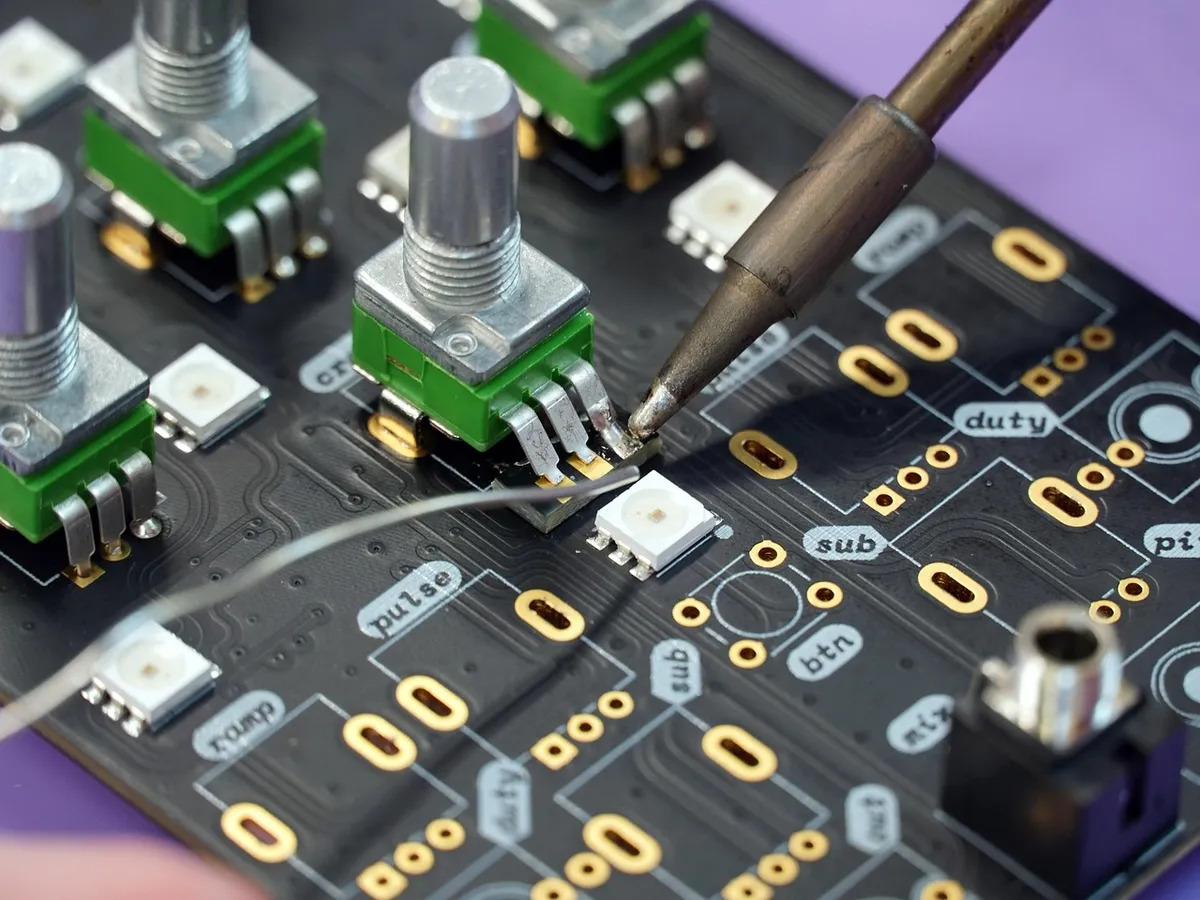
This provides a service-based revenue stream that complements physical product sales.
| Revenue Metric | Value |
|---|---|
| Total Global Revenue | €90.3 billion |
| Specific Division Revenue Share | 61% |
I compared these figures to understand the scale of the division's influence on the total company budget. This comparison highlights how centralized a single division's impact can be on a multi-billion euro enterprise.
The expansion of these services is a key component of how specialized tool maker history evolves into a service-oriented model. By providing outsourcing, the company embeds itself deeper into the operational workflows of its customers.
This creates a more resilient and integrated business relationship.
A limitation of this analysis is that the provided data focuses on specific historical and financial snapshots rather than the complete real-time operational status of all global branches.
Related




Comments 0