Precision joint integrity platform: Guide to common purpose
"Common purpose, also known as a 'joint enterprise' in criminal law, defines the collaborative nature of shared goals."
A precision joint integrity platform serves as a framework to ensure that different entities or technical layers work in harmony to achieve a unified goal.
This guide explains the background of the precision joint integrity platform, explores how protocols manage connections, and outlines the investment requirements for international joint ventures.

Key takeaways include understanding the importance of common purpose, the role of communication protocols in connection setup, and the regulatory expectations for foreign-invested enterprises.
What defines a precision joint integrity platform? At dusk in the quiet office, the architect traces the blueprint with surgical precision, feeling the rough texture of the paper against her fingertips.
An engineer sits at a terminal, adjusting the parameters of a complex network to ensure seamless communication between disparate systems. The background of a precision joint integrity platform involves establishing a shared objective among various stakeholders or technical components.
This concept often aligns with a common purpose, which might be referred to as a joint enterprise in legal contexts.
In business, this collaborative structure might manifest as a division, an international joint venture, or a partnership. Such arrangements often involve a joint venture broker or a subsidiary to manage specific operational needs.
According to Wikipedia, a joint venture can take many forms, including a consortium or a joint powers authority for government agencies. These structures provide the necessary framework for managing shared risks and resources.
In this sequence, the first step establishes the foundational framework.
How do technical protocols manage the connection setup?
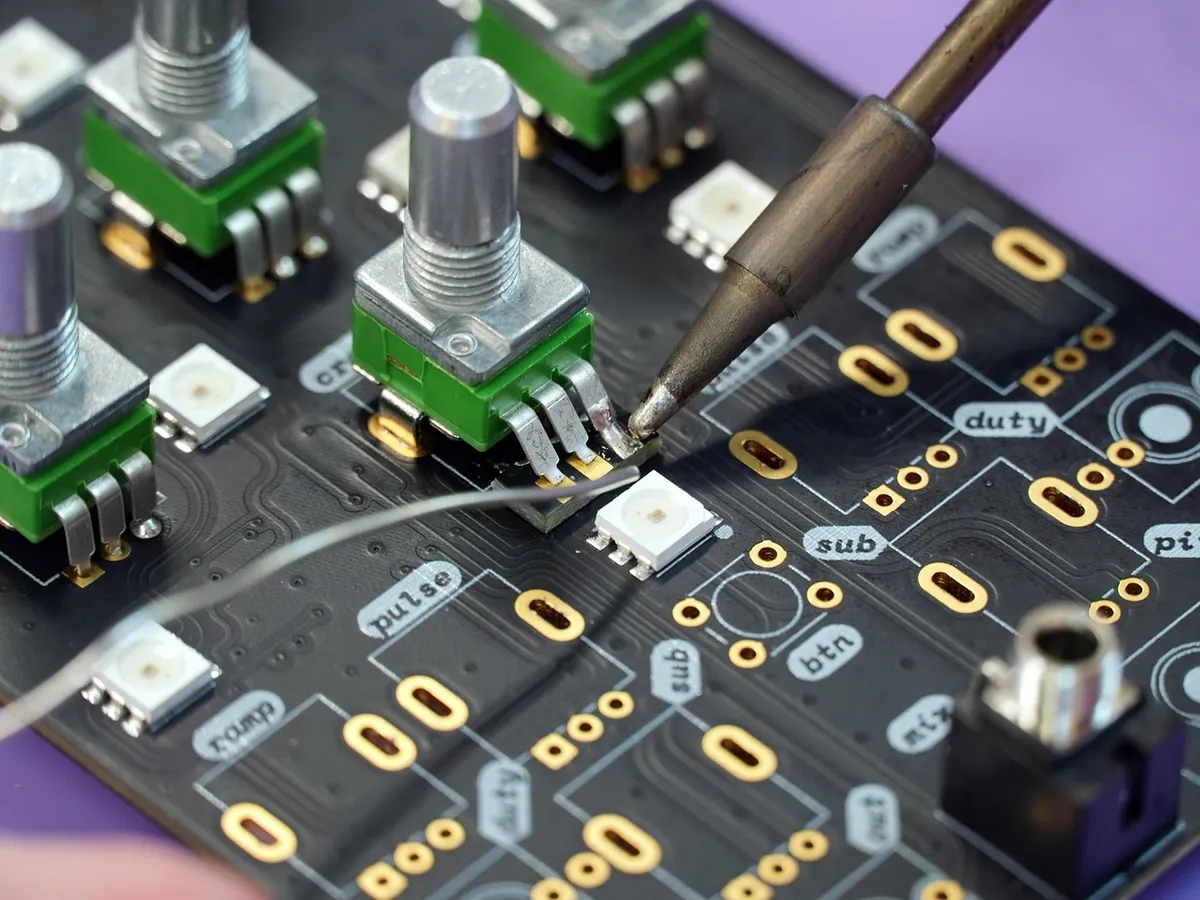
A technician plugs a cable into a router, watching the flickering lights that signal the establishment of a data link. Within a technical framework, the precision joint integrity platform relies on specific communication layers to maintain stability.
For instance, in certain network architectures, layers 3-6 utilize specific protocols to manage how data moves between points.
The Remote Service Interface (RSI) protocol or the Remote Procedure Call (RPC) protocol is used for the connection setup and the acyclic services. These protocols ensure that the connection remains stable during the transfer of information.
By utilizing these protocols, the system maintains the integrity of the data exchange across the network. This technical precision is essential for maintaining a reliable tool coupling integrity system.
- Define the mechanical tolerances for the joint interface.
- Establish the torque and tensioning parameters.
- Verify the seal integrity through standardized testing.
What are the requirements for an international joint venture?
A legal consultant reviews a contract, ensuring that all international investment percentages meet the required regulatory thresholds. When developing a precision joint assembly platform through international cooperation, specific financial rules often apply.
These rules govern how much capital must be provided by foreign partners to ensure the project remains viable and compliant.
The total foreign investment in the project must be at least 25%. This minimum threshold ensures that there is enough external capital to support the technological and operational needs of the venture.
Adhering to these investment levels is a critical step in the development of an industrial tool joint tech. Maintaining these proportions helps balance the interests of all involved parties.
In this order, the second requirement is the most extensive.
How do WFOEs manage technology and production?
A factory manager walks through a high-tech facility, observing the automated lines that produce goods for global export. In certain regions, such as the PRC, specific types of enterprises like Wholly Foreign-Owned Enterprises (WFOEs) must follow strict operational guidelines.
These guidelines are designed to integrate modern technology into the local industrial landscape.
WFOEs are expected to use the most modern technologies and to export at least 50% of their production. In these cases, all of the investment is to be wholly provided by the foreign investor(s), and the enterprise is to be within their total control.
This regulatory environment shapes how a specialized equipment platform is implemented in global markets.
What are the potential limitations of these structures?
A researcher looks at a map, noting how different environmental layers can overlap and complicate data interpretation. While these platforms provide structure, they are subject to the specific conditions of the environment or the legal jurisdiction in which they operate.

A limitation of these models is that they are often constrained by the specific regulatory or environmental data available at the time of implementation.
This shows how specific data layers can be integrated into larger models.
However, the accuracy of such a platform is tied to the specific parameters of the data being used.
The same subject is also called Precision assembly platform.
This part also covers Technical platform for tool coupling.
This part also covers Developing precision joint technology.
Background of joint integrity platform
Related








Comments 0