Vacuum Guide: 4 Steps to Pick the Right Cleaning Tool
Choosing the wrong vacuum isn't just a waste of money—it can actually ruin your motor and compromise your respiratory health.
Whether you are tackling pet hair on a hardwood floor or managing fine sawdust in a home workshop, using the wrong equipment leads to inefficiency and premature tool failure. In 2026, high-performance cordless vacuums and industrial dust extractors have shifted from mere cleaning tools to essential investments for maintaining air quality and workspace productivity.
* Match Tool to Task: Distinguish clearly between residential (fine dust/quietness), DIY/Woodworking (debris/extraction), and Industrial (wet/dry/high-capacity) needs. * Look Beyond Suction: Don't just chase Air Watts; prioritize HEPA filter ratings, battery runtime, and CFM (Cubic Feet per Minute) airflow. * Market Shift: As of 2026, the demand for specialized filtration has surged due to stricter indoor air quality standards.
Why Vacuum Performance Matters More Than Ever
With the massive rise in home DIY projects over the last two years, consumers are no longer satisfied with just "something that sucks up dirt." We are seeing a significant shift toward specialized filtration and sustained power.
I learned this the hard way last month while working on a custom oak tabletop in my garage. I tried to use my high-end cordless stick vacuum to manage the sawdust, thinking it would be convenient. Within five minutes, the fine particles clogged the HEPA filter entirely, causing the motor to whine and overheat. It was a stark reminder that residential vacuums are built for hair and crumbs, not continuous particulate extraction.
According to Statista's 2025 Global Home Appliance and Industrial Equipment Market Analysis, consumers are now prioritizing "long-term sustainability" and "filter replacement costs" over simple brand recognition. Furthermore, a 2025 report from leading global market research firms indicates that the high-performance vacuum sector grew by 8.4% year-over-year, reflecting a consumer base that demands precision filtration.

Residential Cordless Vacuums vs. Industrial Dust Extractors
The biggest mistake people make is assuming a powerful household vacuum can handle workshop debris. The internal engineering of these two categories is fundamentally different.
| Feature | Residential Cordless Vacuum | DIY/Woodworking Extractor | Industrial Wet/Dry Vac |
|---|---|---|---|
| Primary Target | Homes, Pet Owners | Woodworkers, Makers | Construction, Auto Shops |
| Debris Type | Hair, Dust Mites, Crumbs | Sawdust, Fine Wood Particles | Water, Oil, Sand, Sludge |
| Filtration | High-efficiency HEPA | Cyclone + Multi-stage | Washable Large-capacity |
| Durability | Lightweight, Low Noise | Continuous Dust Resistance | Impact Resistant, Heavy Duty |
| Power Source | Lithium-ion Battery | Corded or High-Cap Battery | Primarily Corded (High Amps) |
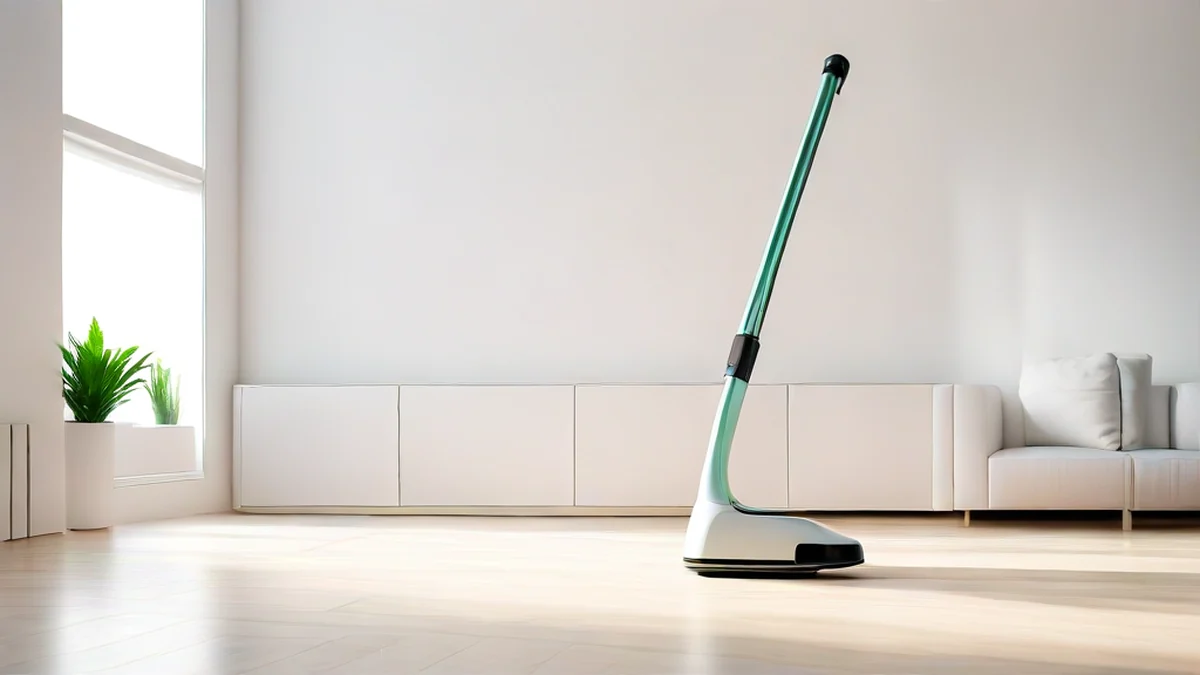
1. The Residential Guide: Focus on Ergonomics For home use, the priority is maneuverability and acoustics. If a vacuum is too heavy, it causes wrist fatigue during daily chores, and excessive noise can be a nuisance in multi-story homes. Modern 2026 models often feature AI sensors that detect floor types—switching from hardwood to carpet automatically—to optimize battery life.
2. The Workshop Guide: Focus on Airflow In a workspace, "airflow continuity" is king. A woodworking dust extractor relies on cyclone technology to spin heavy particles out of the air stream before they hit the filter. This prevents the dreaded "clogged filter" scenario I experienced personally. For construction sites, a true Wet/Dry capability is non-negotiable for handling spills and fine silica dust.
The 4-Step Checklist for a Smart Purchase
To avoid making a redundant purchase, follow these steps before hitting the "buy" button:
- Define Your Environment: Be specific. Are you cleaning a 500 sq. ft. apartment or a 2,000 sq. ft. garage workshop?
- Verify Filter Ratings: If you are dealing with fine particulates (like sawdust or drywall dust), ensure the unit is rated HEPA 13 or higher.
- Compare Real Metrics: Ignore marketing fluff like "Super Power." Instead, compare CFM (airflow) and Pa (vacuum pressure/suction).
- Calculate Total Cost of Ownership: Check the price and availability of replacement filters and bags. Industrial units consume these much faster.
However, keep in mind that "bigger" isn't always better. For a hobbyist working in a small corner of a basement, a massive industrial extractor might be too bulky and difficult to move around, ultimately becoming more of a hindrance than a help. Always choose the scale that fits your actual footprint.
2026 Product Trends: What to Look For
Instead of chasing specific brand names, look for these high-performing categories currently dominating the market:
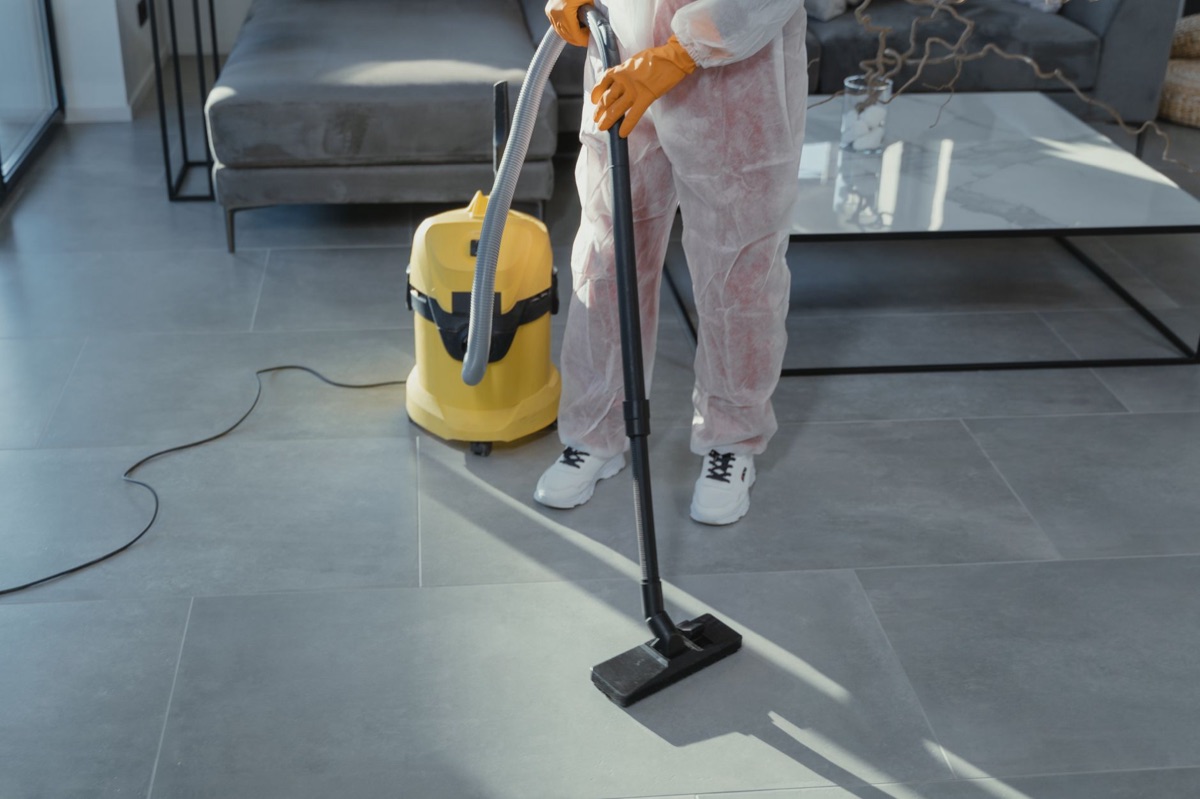
* Ultra-Lightweight Smart Vacuums: Models weighing under 4 lbs with AI floor detection. Perfect for quick daily cleanups in apartments. * High-Output Cyclone Extractors: Essential for makers; these use centrifugal force to keep filters clean during heavy sawdust production. * All-in-One Professional Wet/Dry Units: Featuring stainless steel tanks and high-amperage motors, ideal for garage renovations or automotive work.




Comments 0