Cordless Tool Guide: Choosing the Best 2026 Platforms
Don't just buy a tool; invest in an entire ecosystem that powers your future projects.
Choosing the right cordless power tool isn't about finding the strongest drill on the shelf—it's about selecting a battery platform and motor technology that fits your specific workflow. In 2026, the real value lies in how well your batteries play with your growing collection of tools.
* Voltage Selection: Match your project scale to either compact 12V systems or heavy-duty 18V/20V Max platforms. * Motor Technology: Always prioritize "Brushless" motors for superior efficiency, runtime, and tool longevity. * Platform Ecosystem: Ensure the brand offers a wide range of compatible tools (drills, saws, vacuums) to avoid wasted spending. * Smart Purchasing: Use "Bare Tool" options if you already own batteries to maximize your budget.
Why Your Choice Should Be a "Platform," Not Just a Tool
The shift toward cordless technology is nearly complete in the United States. According to Statista's 2025 power tool market report, cordless units now account for over 75% of all sales in the domestic sector.
Looking ahead, industry analysts expect this figure to hit nearly 80% by the second half of 2026. We have moved past the era where we worried about whether cordless tools could match corded power; today, the conversation is entirely about battery interoperability.
Because every major brand—like Milwaukee, DeWalt, or Makita—uses proprietary battery shapes and voltage configurations, a wrong turn early on leads to "battery bloat." This happens when you buy a new tool only to realize your existing batteries don't fit, forcing a redundant purchase of chargers and packs.
I was chatting with a local contractor in Austin last month who shared a common frustration: the "brand lock-in" trap. Once you commit to a specific battery platform to save money, you find yourself checking that brand's new releases every time you need a specialized tool just to keep using your existing power cells.
12V vs. 18V/20V: Which Voltage Actually Matters?
When scanning spec sheets, the voltage number is usually the first thing you see. While it’s tempting to think "higher is always better," that isn't necessarily true for every job.
A 12V lineup is designed for agility and precision. These tools are compact and lightweight, making them perfect for furniture assembly or working in tight cabinets. I recently used a 12V sub-compact drill to install floating shelves in my home office; the reduced wrist fatigue compared to an 18V model made a massive difference during that two-hour session.
On the other hand, 18V (often marketed as 20V Max) is the gold standard for serious construction or heavy woodworking. The torque—or rotational force—is significantly higher, which is non-negotiable when you're drilling into masonry or driving long lag bolts with an impact driver.
| Feature | 12V System | 18V / 20V Max System |
|---|---|---|
| Primary Use | Home DIY, furniture, light repairs | Construction, framing, auto repair |
| Pros | Lightweight, ergonomic, affordable | High torque, massive power, vast tool range |
| Cons | Struggles with high-load tasks | Heavier weight, more expensive batteries |
| Best For | Beginners, apartment dwellers, precision work | Pros, heavy users, large-scale projects |
Is a Brushless Motor Really Worth the Extra Cash?
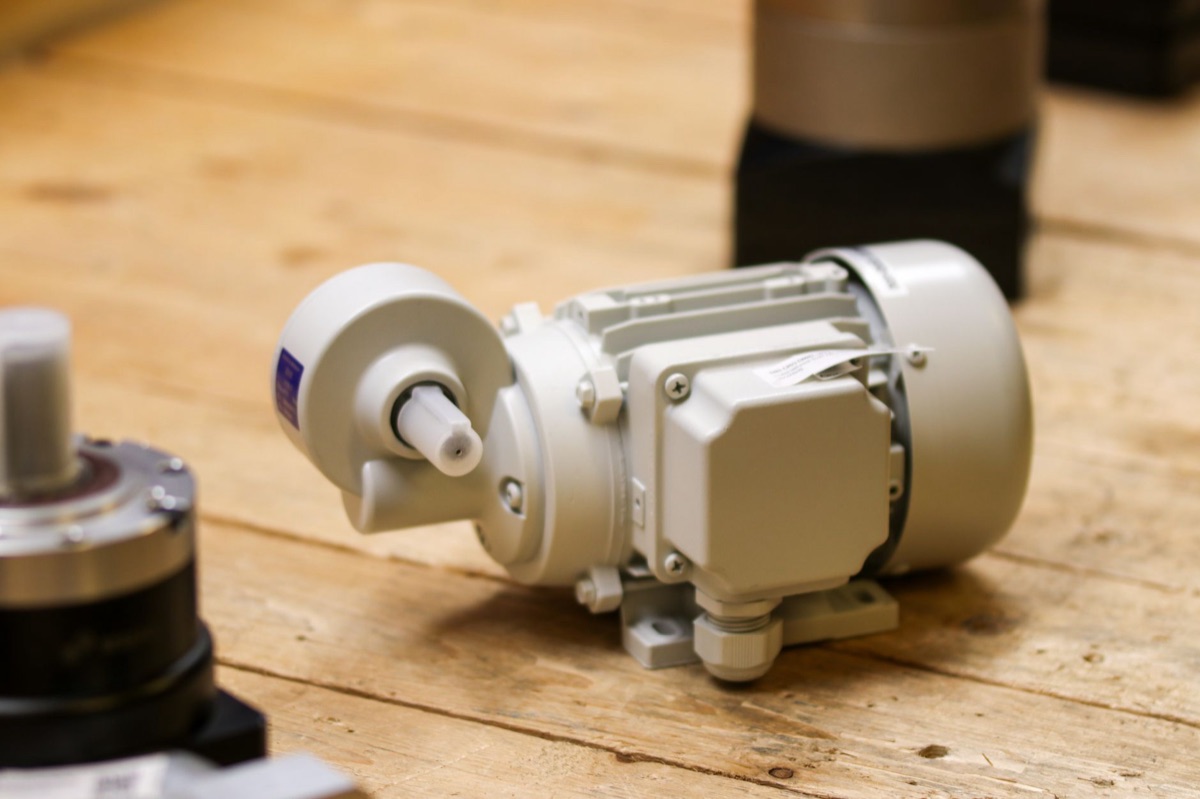
The motor is the heart of your tool, and in 2026, the debate between "Brushed" and "Brushless" is effectively over. Brushed motors use physical carbon brushes that create friction, which generates heat and wastes energy.
Brushless motors utilize magnets and electronic controllers to rotate without physical contact. According to Bosch's 2025 technical white paper, brushless technology improves energy efficiency by over 30% and can extend the operational lifespan of a motor by up to twice that of traditional brushed models.
I put this to the test by running an old brushed impact driver alongside a new brushless model on a deck project. The brushed tool felt sluggish, smelled slightly of hot friction, and drained my battery in minutes. The brushless model maintained a consistent RPM and seemed to sip power effortlessly. While the upfront cost is higher, the long-term savings on batteries and tool replacements make brushless an essential investment.

A 4-Step Guide to Making a Smart Purchase
Don't just walk into a hardware store and grab the first shiny box you see. Treat your purchase as part of a long-term system design by following these steps:
- Define Your Scope: Determine if you are mostly driving small screws or boring large holes in structural timber.
- Select a Primary Platform: Pick a reputable brand (e.g., Milwaukee for heavy trades, DeWalt for versatility) and commit to their battery line.
- Check Battery Capacity (Ah): For long workdays, look for 5.0Ah or higher capacity packs to ensure you aren't constantly tethered to a charger.
- Leverage "Bare Tool" Deals: If you already own the platform, buy only the tool itself without the battery/charger to save significantly.
However, keep in mind that brand specialization exists. Based on Makita’s 2026 product lineup analysis, while they excel in drilling and cutting performance, their ecosystem for secondary items like laser levels or shop vacuums might be more limited compared to some competitors. Always check the breadth of the "ancillary" tool catalog before committing.



Comments 0