Pipe Cutter Tool Guide: Best tips for cutting pipe
"Professional standards and the proper application of specialized equipment define the boundary between a novice and a skilled technician."
You will learn how to match tool specifications to material demands, follow essential safety protocols, and distinguish between hand tools and specialized power equipment.
* Selecting the appropriate cutter for metal or polymer pipes. * Understanding the role of professional standards in tool usage. * Comparing manual hand tools against motorized options. * Implementing a three-step safety check for every cut.
How to select the right Pipe Cutter Tool Guide?
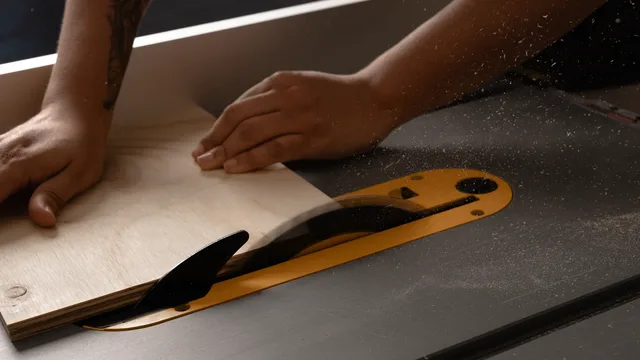
At dusk, I run my fingers along the cold metal of the pipe while standing in the damp basement.
Choosing the correct device depends entirely on the material density and the required edge finish of the pipe.
Using a tool designed for soft copper on thick-walled steel will result in dull blades and wasted effort.
To maximize cutting efficiency, one must match the blade hardness to the pipe material. For instance, plastic piping requires a serrated edge to prevent cracking, while metal requires a sharp, rotating wheel.
Using the Best Pipe Cutting Tools involves assessing whether the job requires a clean, burr-free cut or simply a rough separation for joining.
Following these standards ensures that the tools used meet the safety and quality expectations of the industry.
However, the effectiveness of these selection criteria is limited when working with extremely brittle or non-standard composite materials. I will address the primary selection factors in this sequence.
Which pipe cutter model is right for me?
I feel the heavy vibration of the motor at noon as I lean over the workbench to check the pipe. A worker lays two different devices on a wooden workbench, feeling the weight of a manual wheel cutter against the vibration of a battery-powered unit. Comparing Pipe Cutter Models requires a look at both the speed of the cut and the precision of the resulting seam.
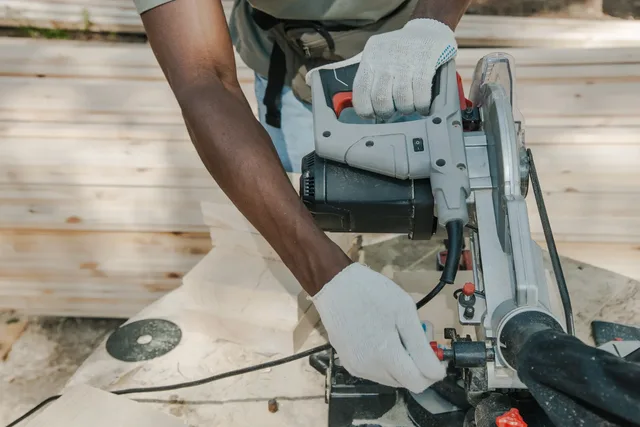
Manual tools offer high control for tight spaces, whereas electric models provide speed for long runs.
| Tool Type | Primary Advantage | Best Use Case |
|---|---|---|
| Manual Wheel Cutter | High precision control | Tight residential spaces |
| Electric Pipe Cutter | Rapid cutting speed | Large-scale industrial sites |
I observed that the manual cutter allowed for much finer adjustments when working near delicate valves. Using Electric Pipe Cutter Specs helps a contractor decide if the power requirement of a heavy-duty motor is worth the added weight in a tool belt.
Note that performance comparisons may not apply to manual tools when high-speed automated cutting is required. I focus on the model differences in this part.
What are the best pipe cutting tools for my professional work?
A technician grips a heavy-duty cutter, the metal scent of the tool filling the air as the blade bites into a thick pipe. Finding the Best Pipe Cutting Tools means prioritizing durability and the ability to maintain a sharp edge over long shifts.
A tool that loses its edge halfway through a project creates unnecessary friction and heat.
Professionalism in any trade involves more than just hardware; it involves adherence to established knowledge.
Applying this logic to tool use means maintaining the equipment to a standard that reflects professional oversight.
The benefits of these high-end tools are diminished if the operator lacks proper training for heavy-duty use. I list the professional options here.
Using Professional Pipe Tools safely
A technician puts on heavy leather gloves, feeling the texture of the material before securing their safety goggles. Utilizing Professional Pipe Tools safely requires a strict adherence to the physical limits of the tool and the surrounding environment.
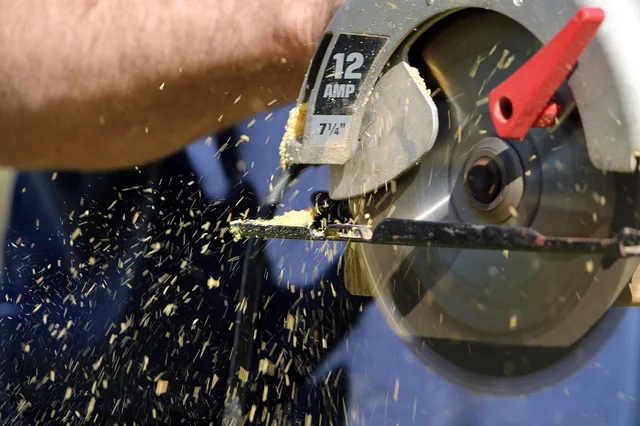
Professional standards of practice and ethics for a particular field are typically agreed upon and maintained through widely recognized professional associations, such as the IEEE, according to the IEEE.
One must never force a blade that has become stuck, as this can lead to tool breakage or sudden slips.
To ensure a safe workspace, follow these steps: 1. Inspect the cutting blade for any chips, cracks, or significant dullness before applying pressure. 2. Secure the pipe firmly in a vise or with specialized clamps to prevent movement during the cutting action. 3.
Clear the immediate area of debris and ensure the cutting path is unobstructed by hands or other limbs.
Perform a final check by verifying that the tool is properly lubricated and that the workpiece is stable.
Safety protocols may be insufficient if the workspace environment is not properly ventilated or organized. I outline the safety steps in this section.
How to maximize cutting efficiency?
A worker moves quickly through a series of identical pipes, the rhythmic sound of the cutter echoing in the hallway. To succeed in Comparing Pipe Cutter Models, one must balance the speed of the cut with the necessity of deburring the edges.
A fast cut that leaves a jagged edge is often more time-consuming than a slow, clean one.
Effective Cutting Efficiency is achieved by maintaining consistent pressure and allowing the tool to do the work. Forcing a manual cutter too quickly can lead to uneven edges, while running an electric tool at the wrong RPM can overheat the material.
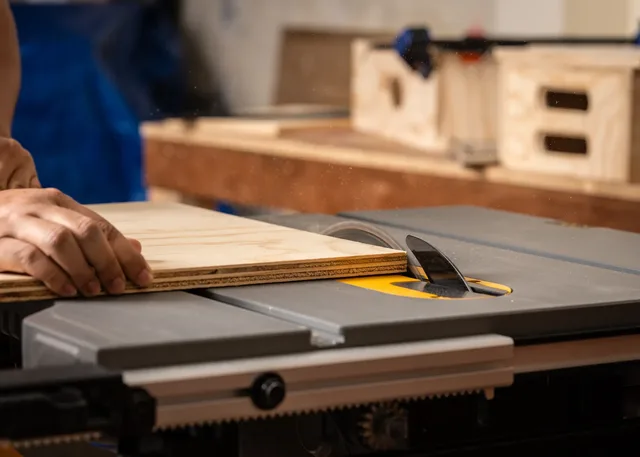
Efficiency gains are restricted if the cutting blade is already dull or improperly seated. I describe the efficiency methods in this order.
- This guide helps professionals select the right cutting tools for various piping materials to ensure precision and safety.
- This guide is intended for technicians seeking to maximize cutting efficiency, though its practical application is limited to standard mechanical environments where specific material properties are known.
- A technician stands in a dimly lit basement, feeling the cold, rigid surface of a copper pipe before reaching for a heavy steel tool.
Related
What conditions affect tool selection beyond material type?
- The required edge finish dictates the tool type, meaning a burr-free cut demands a different approach than a rough separation. 2. The working environment, such as a tight residential space versus a large industrial site, influences whether a manual or electric model is preferable. 3. The intended application, whether for joining or simply separating, must be assessed before selecting the proper cutting device.
The choice of equipment must also account for the operational constraints of the job site. For example, the accessibility of the pipe dictates whether a high-control manual cutter is more appropriate than a high-speed electric unit.
Professionals must weigh the speed advantage against the control offered by the manual equipment.
These environmental considerations do not apply to controlled indoor laboratory settings. I discuss these additional factors here.
When does adherence to professional standards become critical?
- When the tool used is specialized equipment, the boundary between novice and skilled technician is defined by the application of professional standards. 2. When the job demands a result that meets industry expectations for quality and safety, professional standards must be followed. 3. When the tool is operated in a manner that could cause damage or injury, the implementation of safety protocols reflects professional standards.
Maintaining professional standards involves continuous adherence to established knowledge within the trade. This oversight ensures that the tools selected and utilized meet the rigorous quality expectations of the industry.
A lack of adherence compromises the intended precision of the cutting process.
The comparison between manual tools and motorized options highlights a condition where control is weighed against speed; the professional standard demands a balance between these factors based on the specific task at hand.

Comments 0