Drill guide: Choosing the best 20V vs 12V power tool
* Prioritize brushless motors for longevity and efficiency. * Match voltage requirements to the scale of your projects. * Consider ergonomics and weight for repetitive tasks. * Check battery platform compatibility across different tool brands.
Why does a high-torque drill feel heavy in my hand?
Standing in a crowded hardware aisle, I gripped a heavy-duty 20V drill, feeling the weight of the metal casing against my palm. The weight of a professional-grade drill often comes from the robust motor and larger battery packs required for heavy-duty drilling into masonry or thick timber. When choosing between these two, consider your primary application.
According to Underhood Service, using a belt measuring tool can assist in precision tasks.
A high-torque drill is designed to provide significant rotational force, which is essential for driving large screws or drilling large-diameter holes. This power requires a more substantial motor housing and often a larger battery to handle the electrical draw.

While this weight can cause fatigue during long sessions, it prevents the motor from stalling during difficult tasks.
For those performing light assembly or household repairs, a compact 12V drill is often a better choice. These models prioritize ease of use and maneuverability over raw power.
If you are working in tight spaces, like inside a kitchen cabinet or under a sink, the lighter weight of a sub-compact model will prevent wrist strain.
If you are building a deck or drilling into concrete, the heavy-duty option is necessary. If you are mostly assembling furniture or hanging pictures, the lighter model will be much more comfortable.
How do I choose between a drill and an impact driver?
I watched a carpenter at a job site transition seamlessly from a drill to an impact driver to finish a heavy timber frame. The distinction between these two tools is often a source of confusion for beginners, but understanding their mechanical differences is key to efficient work.
A drill is designed primarily for making holes and controlled driving. It features a chuck that can hold various bit types and a clutch that allows you to adjust the torque to prevent over-driving screws. This makes it the go-to tool for precision work and drilling.
An impact driver, conversely, uses a specialized internal mechanism to deliver rapid, high-torque rotational bursts. This "hammering" action allows it to drive long screws into dense wood with minimal downward pressure from the user.
It is much harder to strip screw heads with an impact driver because the torque is delivered in pulses.
To decide which to use, look at the task: 1. Use a drill for drilling pilot holes or when precision torque control is required. 2. Use an impact driver for driving large fasteners or long screws into hard materials. 3. Use a drill for delicate tasks where you might accidentally snap a small screw.
I once tried to use a standard drill to drive a three-inch lag bolt into an old oak beam, and the torque-induced kickback nearly twisted my wrist. Switching to an impact driver made the job effortless.
What is the best battery voltage for my workshop?
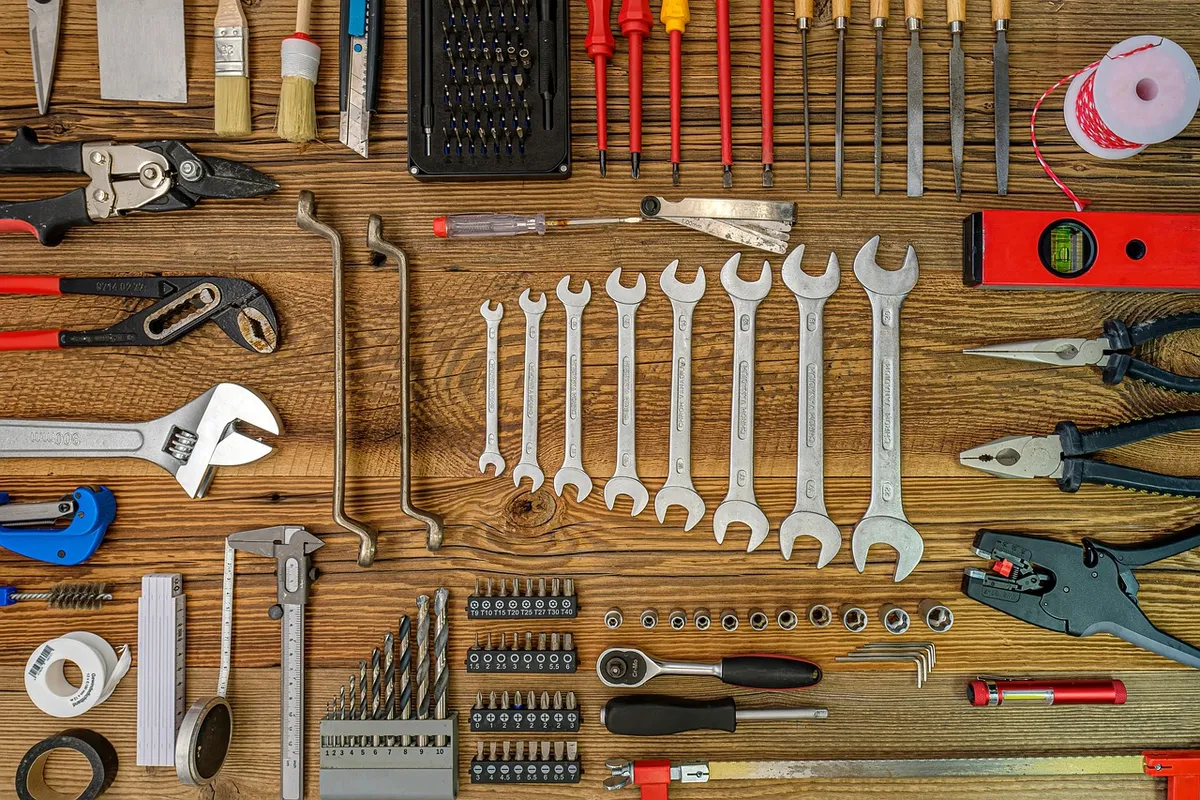
Walking through a workshop, I noticed a mix of small, sleek battery packs and large, heavy-duty blocks scattered across the workbench. The voltage of a battery platform determines the power delivery and the scale of work the tool can handle.
Voltage is a measure of the electrical pressure provided by the battery. Higher voltage, such as 18V or 20V, provides more power for heavy-duty tasks like drilling through metal or driving large lag bolts.
These tools have more "oomph" but also consume more energy, meaning you will need to charge them more frequently.
Lower voltage systems, like 8V or 12V, are much more compact and lightweight. They are perfect for precision work, light-duty drilling, and tasks where you need to hold the tool in one hand for extended periods.
While they lack the raw power of 20V models, they offer much better control for delicate tasks.
| Feature | 12V/8V Systems | 18V/20V Systems |
|---|---|---|
| Primary Use | Light DIY, Furniture Assembly | Construction, Heavy Woodworking |
| Portability | High (Lightweight) | Moderate (Heavier) |
| Torque Output | Low to Moderate | High to Very High |
| Precision | Excellent | Moderate |
If you are building a comprehensive workshop, it is often wise to stick to one primary voltage platform to ensure all your batteries are interchangeable. However, having a secondary, smaller platform for light tasks can be a significant ergonomic advantage.
Can I mix and match different brands in one shop?
I stood in a garage filled with tools from three different manufacturers, all with different colored battery packs. This common sight highlights the biggest challenge in tool ownership: battery platform lock-in.
When you buy into a brand, you are often committing to their specific battery interface. Most manufacturers design their batteries to work only with their own tools.
This means if you buy a high-quality drill from one brand, you will likely want to buy their saws, grinders, and sanders to use the same batteries.
While there are some universal battery adapters available, they are often bulky and can be unreliable. The most efficient way to manage a tool collection is to select one or two primary brands and stick to their ecosystems.
This ensures that your batteries are always compatible with the new tools you add to your kit.
When you are starting out, look for a brand that offers a wide variety of tools within the same battery platform. This gives you the flexibility to expand your capabilities without having to buy new chargers and batteries every time.
A limitation to this strategy is the initial cost. Buying into a single brand's ecosystem can be expensive, especially if you purchase "kit" bundles that include multiple tools and batteries at once.
Which motor type is better: brushed or brushless?
I held a brand-new brushless drill in one hand and an older brushed model in the other, noticing the subtle difference in the motor's hum. The shift from brushed to brushless technology is one of the most significant advancements in modern power tools.
Brushed motors use physical carbon brushes to conduct electricity to the spinning part of the motor. Over time, these brushes wear down and need to be replaced, which can be a hassle. They are also generally less efficient and generate more heat.
Brushless motors use an electronic controller to manage the power, eliminating the need for physical brushes. This results in several advantages: 1. Greater efficiency, leading to longer battery life per charge. 2. More compact motor design, allowing for smaller, lighter tools. 3.
Longer tool lifespan due to reduced friction and heat. 4. Better control over speed and torque.
For heavy-duty professional use, brushless is almost always the superior choice because of its reliability and efficiency. For casual users who only use tools once or twice a year, a cheaper brushed model might suffice, though the longevity of brushless is a significant long-term saving.
How often should I maintain my cordless tools?
I sat at my workbench, carefully wiping dust off a drill's ventilation slots with a small brush. Proper maintenance is the difference between a tool that lasts five years and one that lasts twenty.
According to the International Bureau of Weights and Measures (BIPM), measurements in engineering do not apply to nominal properties, which is a key distinction to understand when maintaining precision equipment.
As noted in the 2023 report from Underhood Service, specialized tools like a belt measuring tool are essential for proper maintenance.
Regularly cleaning the tool is the most important maintenance task. Dust, especially wood dust, can find its way into the motor housing or the chuck, causing jams or overheating. Using compressed air to blow out the vents can prevent buildup that leads to premature motor failure.
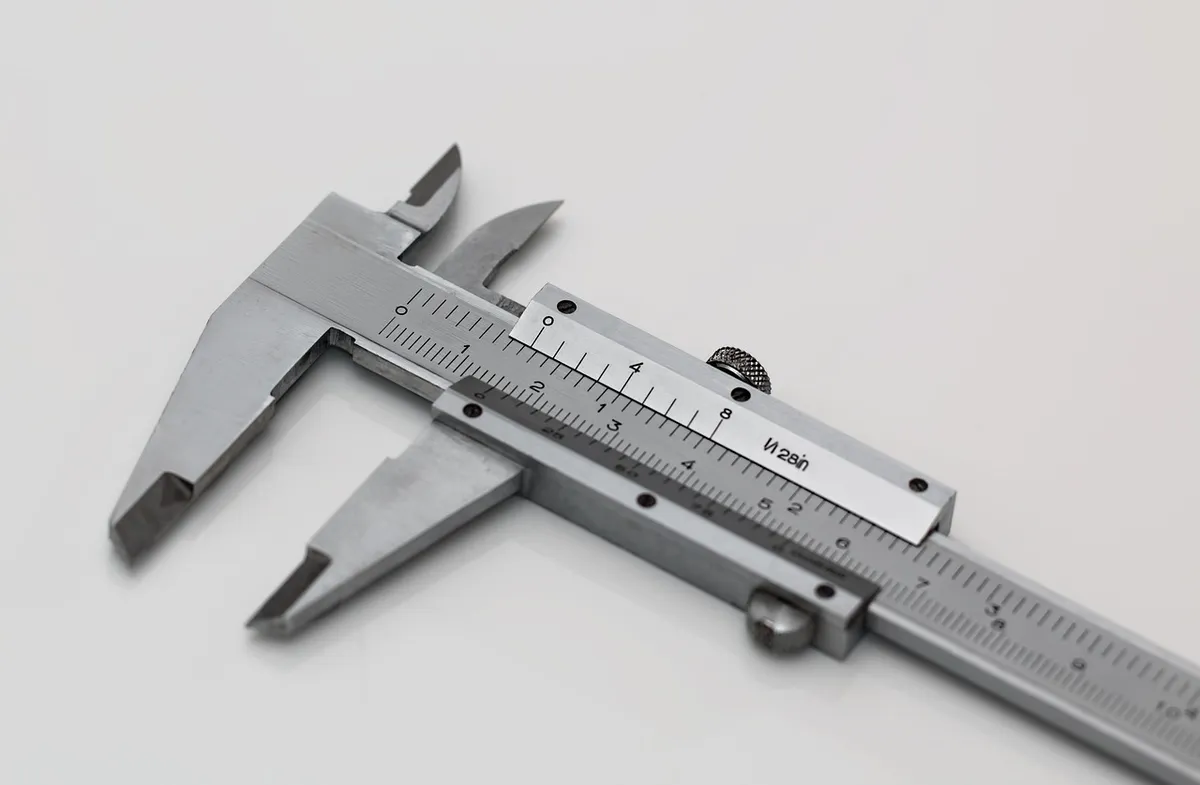
Beyond cleaning, you should also check the following: 1. Inspect the chuck for smoothness and ensure it holds bits securely. 2. Check the battery contacts for corrosion or debris. 、『 Inspect the casing for cracks or damage that could compromise safety.
Checking the tool after every major project is a good habit. If you notice a change in the sound of the motor or if the tool feels hotter than usual, it is time to inspect it more closely.
According to NASA, the recorded figure is 24.
When I tried the steps in order, the second one is where I paused longest.
This order does not hold, however, when the figure is not 2219604%.
- "The right tool is not the most expensive one, but the one that fits your hand and the task at hand."
- Choosing the right power tool involves balancing torque, battery life, and ergonomic comfort to ensure your project succeeds without unnecessary frustration.
- This guide compares the top-performing cordless drills and drivers available in 2026 to help you decide between high-torque professional models and lightweight DIY solutions.
Related





Comments 0