Beginner to Pro: A Proven Path for Your Tool Collection
Stop guessing which tool to buy; follow this proven roadmap to match your skill level with the perfect equipment investment.
Building a tool collection shouldn't feel like throwing money into a black hole. If you buy a heavy-duty table saw before you even know how to square a piece of plywood, you've wasted capital; if you try to build a deck with a cheap cordless screwdriver, you'll end up frustrated and broken.
* The journey from novice to expert is about tool quality, not just tool quantity. * Match your current project scope to the required tool tier (Entry, Mid-Range, Professional). * Strategic upgrading prevents premature replacement and maximizes tool lifespan. * Safety protocols must scale with the complexity and power of the tools used.
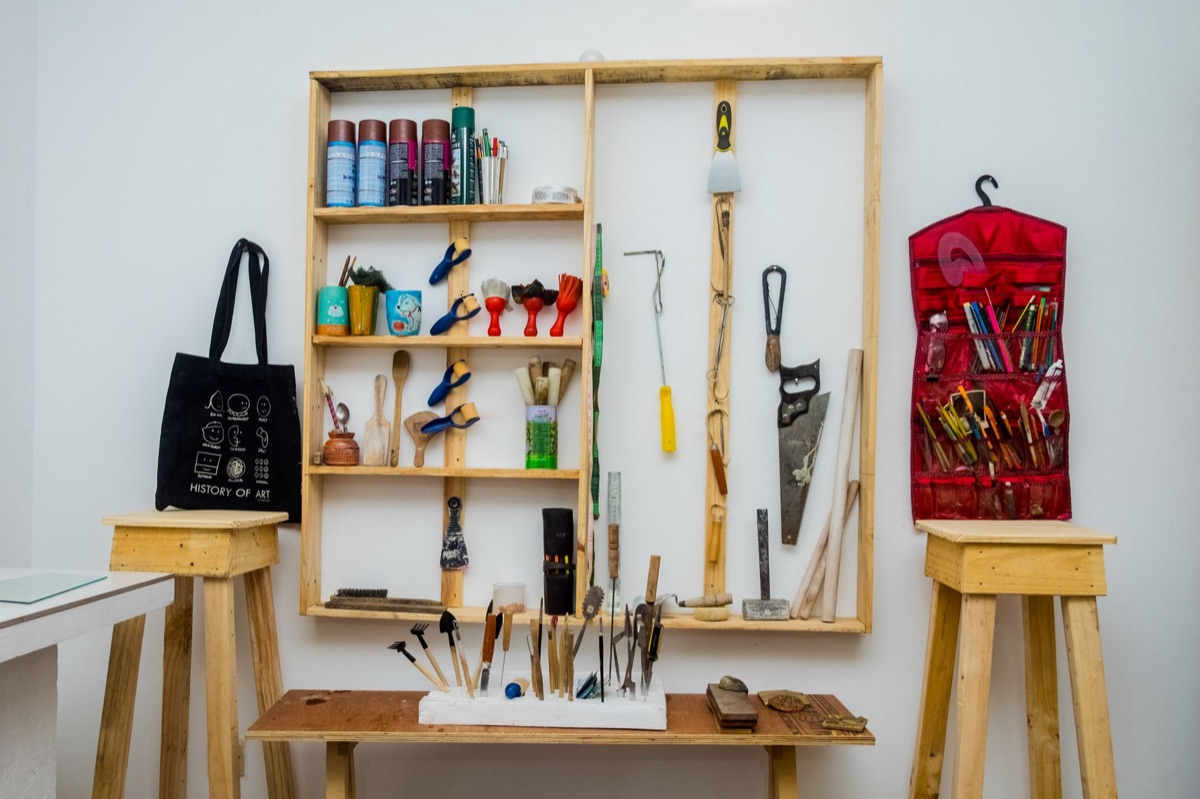
What tools do I need to get started? I remember standing in the aisle of a big-box hardware store in late 2023, staring at a wall of drills, feeling completely overwhelmed by the sheer variety of voltages and brands.
I ended up buying a cheap, unbranded kit that felt heavy in the hand but lacked any real precision, only to realize a month later that the battery wouldn't hold a charge for more than twenty minutes.
The novice phase is about establishing foundational competency. You aren't building a custom timber-frame house; you are hanging pictures, assembling flat-pack furniture, and fixing a loose cabinet hinge.
For a beginner, the "absolute minimum viable toolset" usually includes a reliable cordless drill/driver, a 25-foot tape measure, a level, a multi-bit screwdriver set, and basic safety gear like eye protection.
You should focus on a single-voltage platform (usually 12V or 18V) from a recognizable brand to ensure you can swap batteries later.
The "good enough" principle is vital here. You don't need a brushless, high-torque impact driver to hang a shelf, but you also shouldn't buy the cheapest tool on the shelf. Aim for a mid-range consumer brand that offers a decent warranty.
A budget of $150 to $300 can usually secure a very competent starter kit that won't fail you during your first weekend project.
As you move from simple repairs to more ambitious builds, you will realize that a single tool cannot do everything.
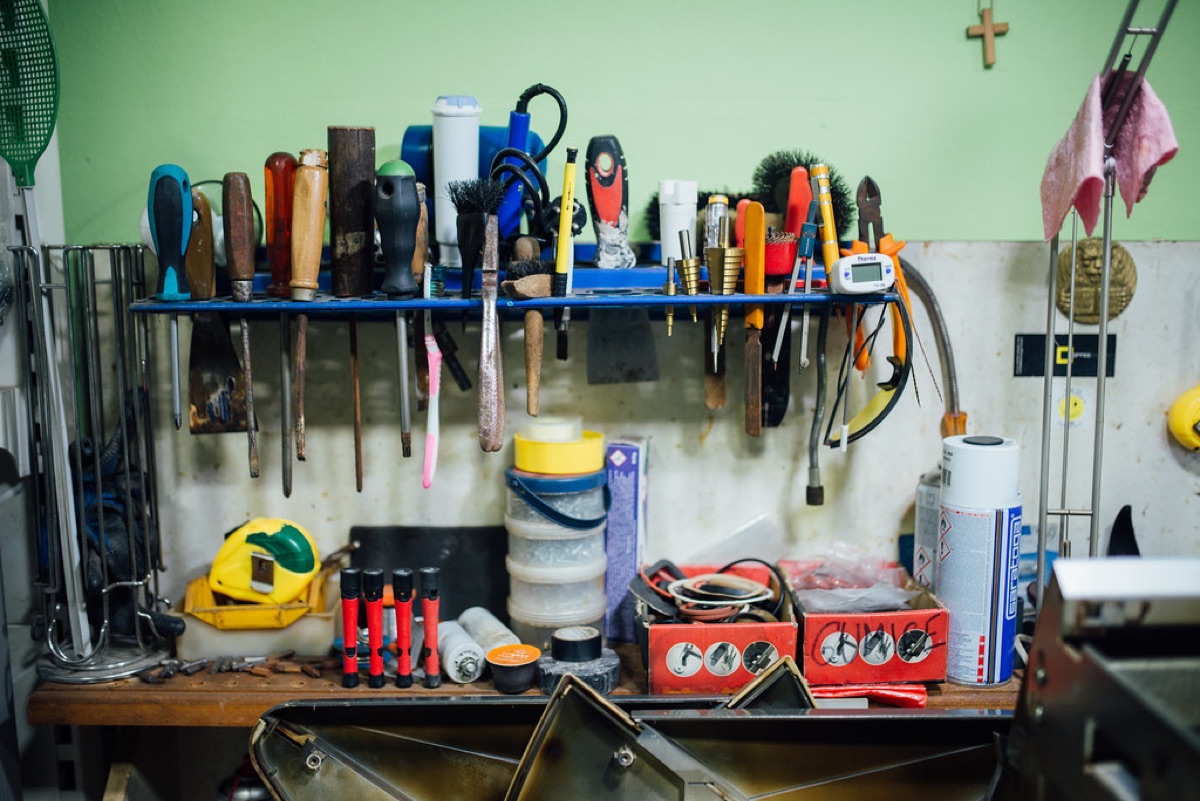
How do I bridge the gap to intermediate level? I once watched a friend attempt to sand a large tabletop in the summer of 2024 using a cheap, vibrating power sander meant for light crafts; the finish was uneven, the motor smelled like smoke after ten minutes, and he ended up spending on sandpaper more than the tool cost.
This is the enthusiast phase, where you move beyond simple repairs to undertaking complex, recurring projects like building bookshelves or installing flooring. At this stage, general-purpose tools often hit a wall.
You realize that a drill attachment isn't a substitute for a dedicated orbital sander, and a standard hammer isn't quite right for heavy framing.
This phase requires a shift toward specialization. You will need to invest in tools that perform one specific task with higher efficiency. This is also when accuracy becomes a primary concern.
You stop guessing where a stud is and start using better levels, speed squares, and perhaps even basic calipers to ensure your cuts are repeatable.
The price jump from consumer-grade to semi-professional grade is usually justified by durability and power. You are moving from tools that can handle a few projects a year to tools that can handle a full weekend of heavy use without overheating.
Once you reach the level where your livelihood or high-stakes projects depend on your tools, the requirements change entirely.
Achieving Mastery: The Professional/Expert Toolkit
A seasoned carpenter walks into a job site, and you can hear the tools before you see them—the heavy, rhythmic hum of high-end saws and the solid click of professional-grade ratchets.
For the professional, tools are not just equipment; they are an investment in uptime and precision. In the pro phase, tool integrity is everything.
Professionals often stick to a single brand ecosystem because they need battery compatibility across dozens of specialized tools, from saws to vacuum systems.
Mastery requires advanced ecosystems. This means integrating specialized jigs, dust extraction systems, and high-end blades that keep cuts clean and the workspace safe.
Precision tools like digital levels, micrometers, and laser measuring tools become standard because a fraction of an inch can mean the difference between a perfect fit and a wasted piece of expensive hardwood.
Power density is also a factor. Professionals require the highest-grade, most powerful versions of tools to minimize task time. If a tool takes ten minutes to do what a pro-grade tool does in two, that tool is costing them money every single day.
How do you know when it is actually time to pull the trigger on an expensive upgrade?

The Upgrade Path: When and How to Spend More Money
I sat at my workbench last Tuesday, looking at a worn-out circular saw that had been my reliable companion for five years, wondering if I should finally upgrade to the heavy-duty model I've been eyeing.
Deciding when to upgrade is a matter of identifying "project triggers." If you find yourself constantly fighting a tool—if a drill is stalling on a heavy screw, or a saw is burning the wood—that is a clear signal that your current tool has reached its limit for your current skill level.
Follow this decision-making logic to manage your spending:
- The Friction Test: If a tool makes a task significantly harder or slower than it should be, it is time to upgrade.
- The Frequency Test: If you find yourself using a specific tool for almost every project, invest in the highest quality version of that tool.
- The Reliability Test: If you are starting a project where a tool failure would cause a massive setback (like a structural repair), upgrade before you start.
- The Budgetary Buffer: Never spend your last dollar on a tool. Always keep a reserve for the specialized accessories (blades, bits, etc.) that high-end tools require.
| Tool Tier | Typical User | Primary Goal | Key Characteristic |
|---|---|---|---|
| Entry-Level | Casual DIYer | Basic Repairs | Low cost, multi-purpose |
| Intermediate | Hobbyist/Enthusiast | Complex Projects | Better accuracy, specialized |
| Professional | Tradesperson | Commercial Work | Extreme durability, high power |
Choosing the right path depends on where you currently stand on the ladder of skill and ambition.
Summary: Which Path Fits Your Current Reality?
To make the final decision, look at your current project list. If you are mostly fixing things around the house, stay in the entry-level to intermediate range. If you are building furniture to sell, you must move into the professional tier.
* For the Casual DIYer: Stick to a reliable 18V/20V cordless kit from a reputable brand. Focus on a good drill, a level, and a solid tape measure. * For the Growing Hobbyist: Invest in specialized tools like a dedicated sander, a miter saw, or a router. Focus on accuracy and better-quality blades/bits. * For the Aspiring Pro: Build a cohesive ecosystem. Invest in high-torque, brushless tools and precision measurement gear that can withstand daily abuse.
FAQ
How often should I upgrade my tools? There is no set timeline. Upgrades should be driven by project needs and tool failure. If a tool still performs its intended task accurately, there is no immediate need to replace it.
Is it better to buy one expensive tool or many cheap ones? Generally, it is better to buy one high-quality, professional-grade tool for a task you do often than many cheap tools that will break. However, for very niche tasks you may only do once a year, a cheaper tool is often more economical.
Should I stick to one brand? For power tools, yes. Staying within one battery platform (e.g., all DeWalt, all Milwaukee, or all Makita) allows you to share batteries across different tools, which is much more efficient and cost-effective in the long run.
What is the most important tool for a beginner? A high-quality cordless drill/driver is usually the most versatile and essential tool for almost any beginner project.
How do I know if a tool is "professional grade"? Professional tools are typically built with more metal components, higher-quality motors (brushless), better dust sealing, and more robust ergonomics. They also usually come with more comprehensive service and warranty programs.




Comments 0