Woodworking tool guide: How to ensure 90-degree precision
"A professional body is an organization with individual members practicing a profession or occupation in which the organization maintains an oversight of the knowledge, skills, and conduct."
Choosing the right woodworking tool guide depends on whether you are pursuing a hobby or a career. Beginners should focus on versatile, user-friendly manual or power tools, while professionals require specialized equipment for specific trades like joinery or structural framing.
This guide explores the distinctions in tool application, the specialized roles recognized by industry bodies, and the technical methods used to ensure precision.
* Beginners prioritize multi-purpose tools to build foundational skills. * Professionals select specialized gear for specific roles such as furniture making or boat building. * Precision techniques, like 90-degree rotation during marking, are essential for all levels to avoid curvature errors. * Tool selection is limited by the specific professional role or technical task being performed.
What makes a woodworking tool guide professional?
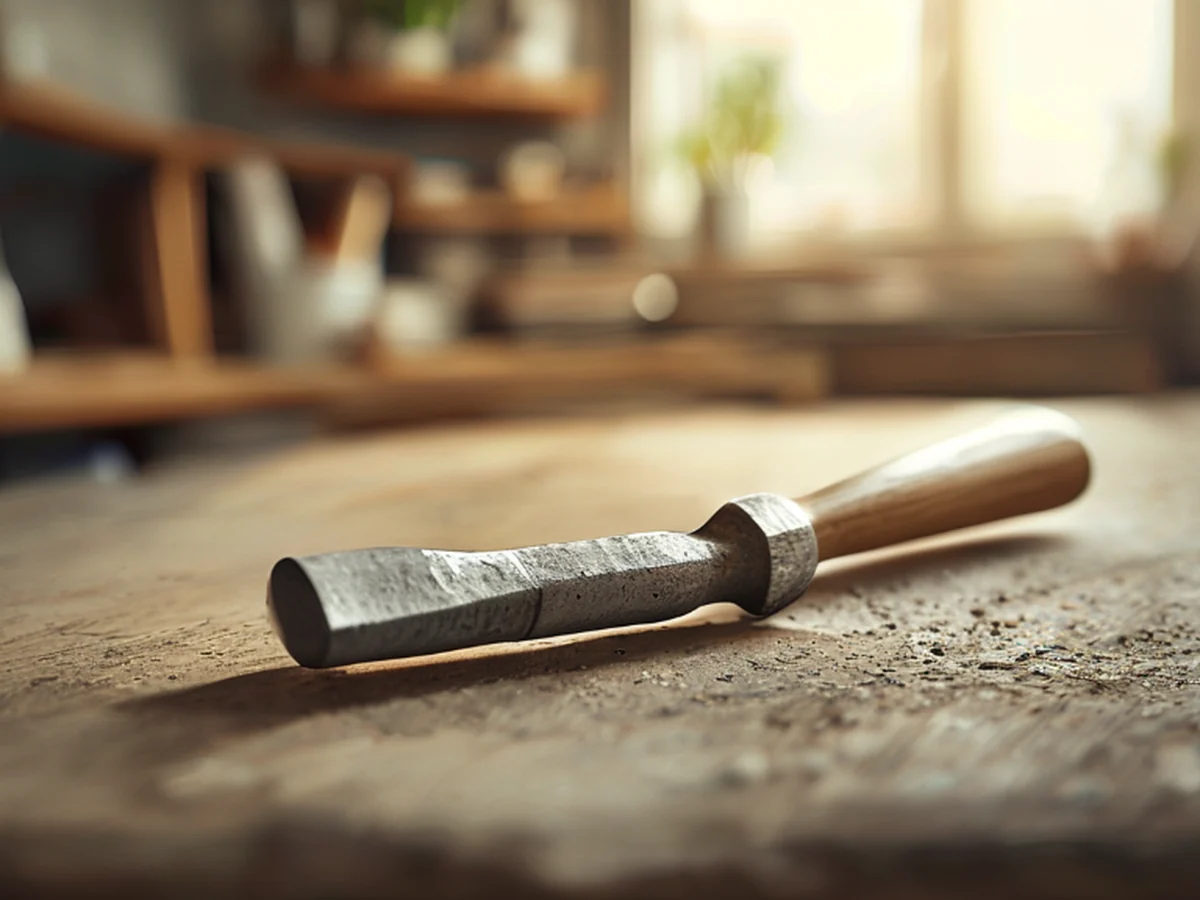
At dawn in the dim workshop, my fingers trace the cold steel of a chisel as I consult a woodworking tool guide.
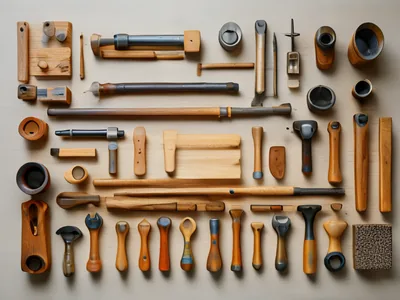
A woodworker picks up a heavy mallet and a sharp chisel in a dusty workshop to begin a new project. This initial step in a woodworking tool guide involves distinguishing between general utility and professional-grade precision.
According to the Science Council, a professional body is "an organisation with individual members practicing a profession or occupation in which the organisation maintains an oversight of the knowledge, skills, conduct..."
For a novice, a tool is often judged by its ease of use and ability to handle various wood types.
A professional, however, selects tools based on the specific demands of their trade.
According to the Institute of Carpenters, professionals working in wood include carpenters, furniture and cabinet makers, boat builders, joiners, shopfitters, structural post and beam carpenters, wheelwrights, wood carvers, and wood turners.
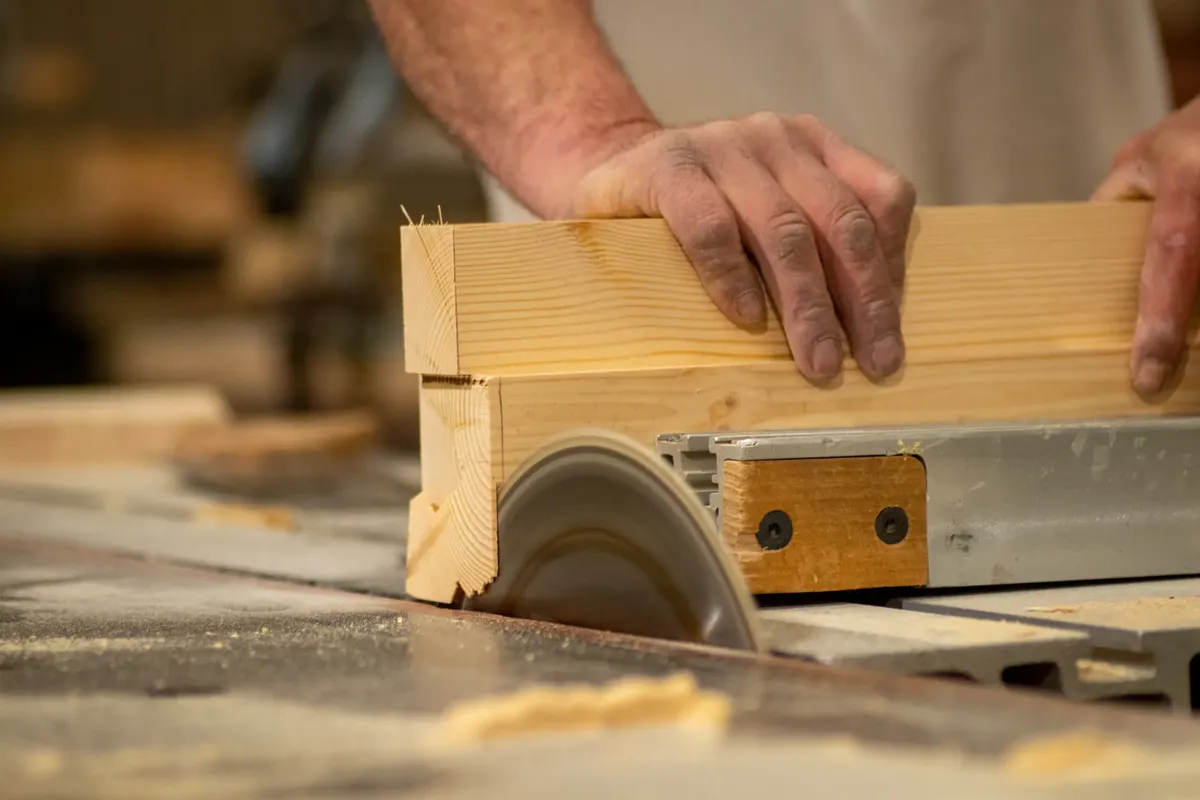
Each of these roles requires a different set of specialized implements to meet industry standards.
While a beginner might use a single saw for many tasks, a joiner requires specific tools for intricate connections. A boat builder needs equipment capable of handling complex curves and marine-grade materials. Understanding these distinctions helps in making a smarter investment in your workshop.
In this sequence, the second step is the longest.
How do professionals use tools differently?
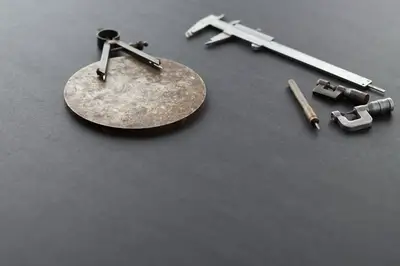
A craftsman carefully aligns a marking gauge along a straight edge on a workbench. The difference in tool usage often comes down to the level of specialized oversight and the specific outcome required. Professionals often operate within frameworks that require high levels of skill and conduct.
The Science Council defines a professional body as an organization with individual members practicing a profession or occupation in which the organization maintains an oversight of the knowledge, skills, and conduct.
This oversight often translates to the rigorous use of tools to ensure repeatable, high-quality results.
In contrast, a hobbyist might accept slight variations in a joint, whereas a structural post and beam carpenter must ensure absolute stability. The professional's tool kit is not just about power, but about the ability to meet the specific technical requirements of their recognized occupation.

- Evaluate the duty cycle of the machinery.
- Assess the tolerance levels required for joinery.
- Determine the maintenance requirements for daily use.
What are the technical precision requirements?
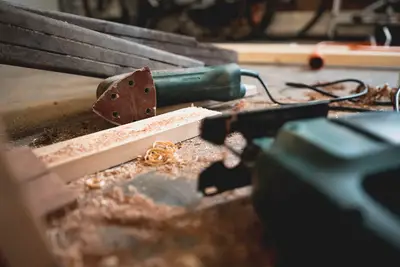
A technician rotates a piece of timber on a flat surface to check for any slight bends. Achieving perfect flatness is a core challenge in woodworking, regardless of whether you are using beginner or pro tools. Even with high-end machinery, human error or material warping can introduce defects.
To combat these issues, specific technical methods are applied during the preparation phase. To eliminate concave-convex "potato-chip" curvature, the rubbing and marking are repeated after rotating the workpiece relative to the first position by 90 degrees.
This ensures that the surface is truly planar rather than just appearing flat in one direction.
I have found that following this rotation method is the only way to be certain a board is ready for fine joinery. Using this technique prevents the common mistake of working on a warped surface. This level of precision is what separates a quick DIY fix from professional craftsmanship.
Which tools should a beginner buy first?
A person stands in a bright hardware store aisle, looking at various hand saws and drills. When starting out, the goal is to acquire a foundational set that allows for a wide range of activities without overwhelming the budget.

To build a starting kit, follow these steps:
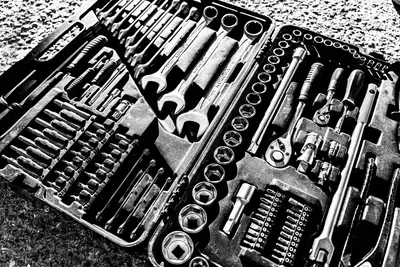
- Select a versatile measuring tool, such as a high-quality tape measure or a combination square, to ensure all cuts are accurate. 2. Acquire a basic set of hand tools, including a hammer, a set of wood chisels, and a sturdy hand saw. 3. Invest in a single, reliable power tool, such as a cordless drill/driver, which can handle most assembly tasks.
After completing these steps, perform a final check by ensuring every tool is stored in a dry, organized manner to prevent rust and damage. This methodical approach prevents the frustration of owning expensive tools that you do not know how to use effectively.
How does tool choice vary by woodworking specialty?
A wood turner sits at a lathe, watching the spinning wood take shape under a sharp gouge. The choice of tools is heavily dictated by the specific branch of woodworking one enters. There is no single "best" tool, only the right tool for the specific task at hand.
| Specialty | Primary Focus | Typical Tool Requirement |
|---|---|---|
| Furniture Maker | Detail and Aesthetics | Fine chisels and specialized planes |
| Structural Carpenter | Strength and Stability | Heavy-duty saws and framing tools |
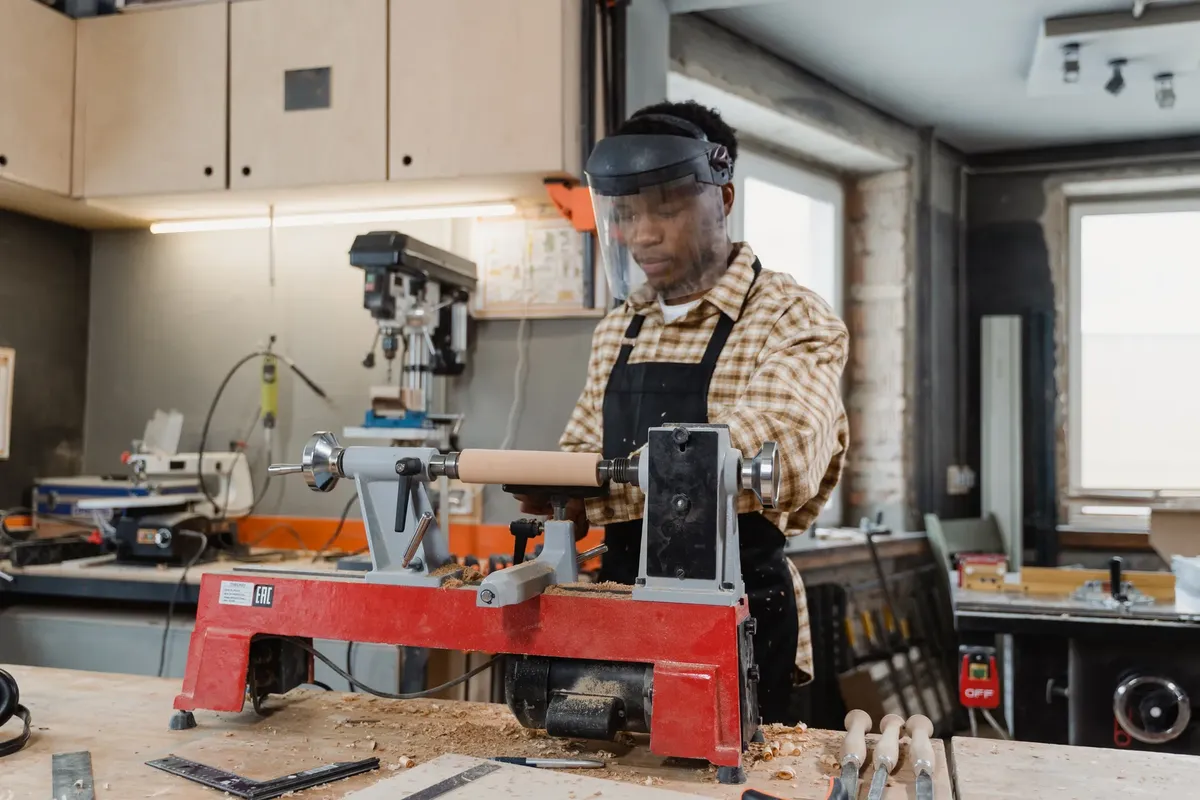
A wheelwright, for example, requires tools specific to the construction of wooden wheels, which differ significantly from the tools used by a wood carver. This specialization means that as your skills grow, your tool selection must also evolve to match your chosen professional path.
What are the limitations of tool selection?
An apprentice reaches for a specialized carving tool only to realize it is not suited for heavy timber framing. It is important to recognize that tool effectiveness is always limited by the specific material and the intended application.
A professional-grade tool designed for delicate furniture making will fail if used for structural post and beam carpentry. Using the wrong tool for a specific condition can lead to damaged materials or inaccurate results.
Therefore, tool selection must always be matched to the specific woodworking skill and the physical properties of the wood being worked.
Related



Comments 0