Solid Carbide Bits Guide Precision bit manufacturing trends
"In very small sizes it is difficult to fit carbide tips; in some industries, most notably printed circuit board manufacturing, requiring many holes with diameters less than 1 mm, solid carbide bits are used."
Precision bit manufacturing trends rely on selecting the right material and geometry for specific industrial applications. This guide explores how tool coating impact and precision tool evolution dictate performance across various materials.
You will learn about diameter ranges, point angles, and the specific use cases for solid carbide versus tipped bits.
How do bit diameters affect tool selection?
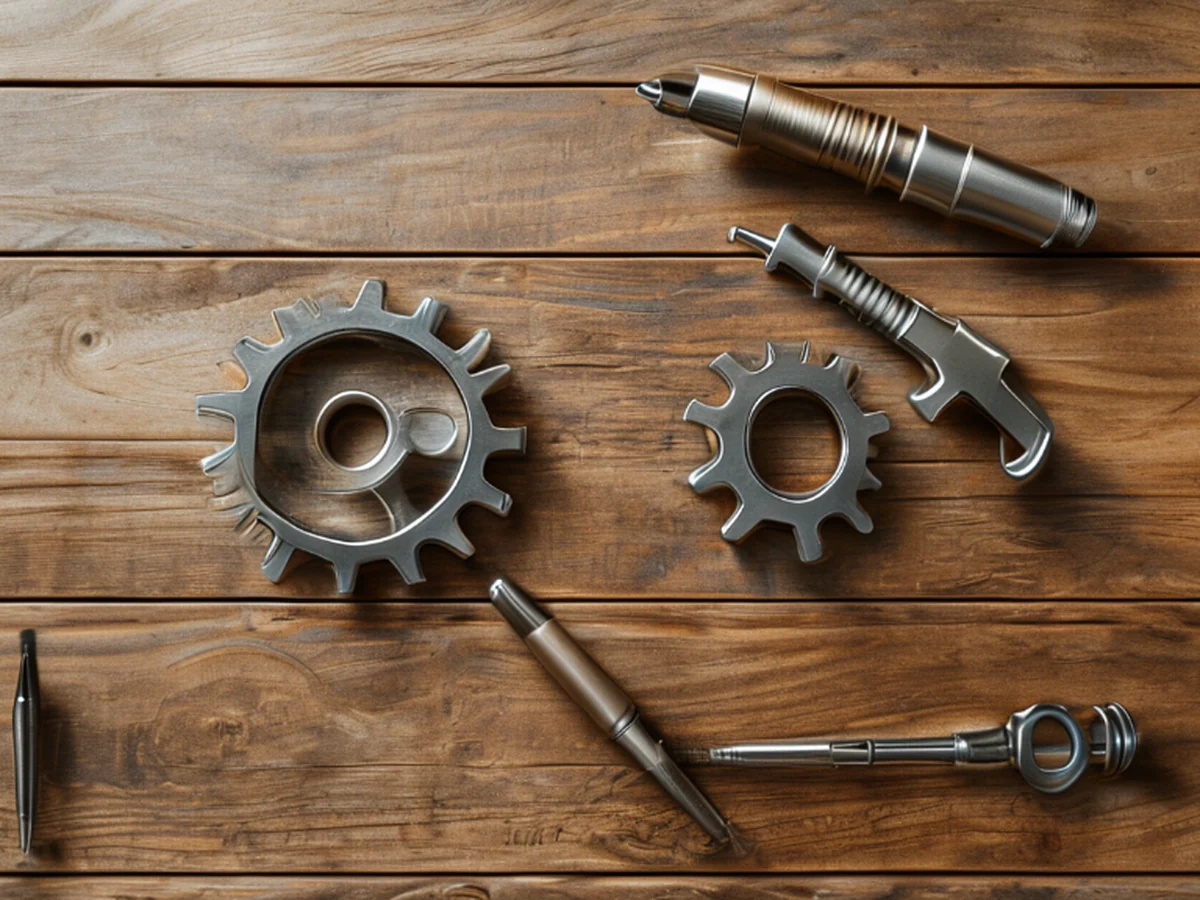
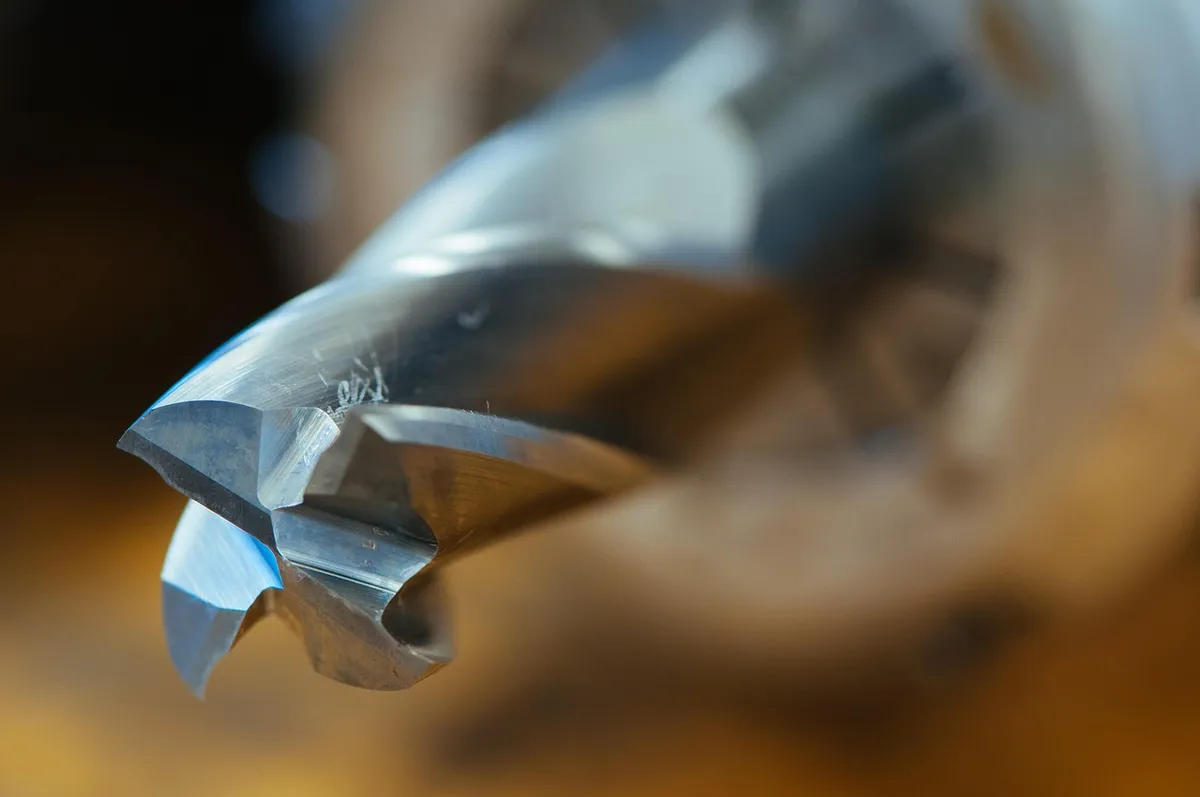
A technician holds a miniature bit, noting how the scale of the tool dictates its construction.
In specialized industries like printed circuit board manufacturing, where holes often require diameters less than 1 mm, solid carbide bits are used because fitting carbide tips to such small sizes is difficult.
Twist drill bits offer a massive range in scale, with diameters spanning from 0.002 to 3.5 inches (0.051 to 88.900 mm). These tools can also reach lengths as significant as 25.5 inches (650 mm). Identifying the correct scale is the first step in precision tool evolution.
| Feature | Minimum Dimension | Maximum Dimension |
|---|---|---|
| Twist Drill Diameter | 0.002 in (0.051 mm) | 3.5 in (88.900 mm) |
| Twist Drill Length | N/A | 25.5 in (650 mm) |
I once observed a workshop where a tiny 1 mm bit failed because it was a tipped version rather than solid carbide. Small-scale applications require specific material integrity.
In this sequence, the first step is the most critical.
What role does point angle play in performance? Precision bit manufacturing trends
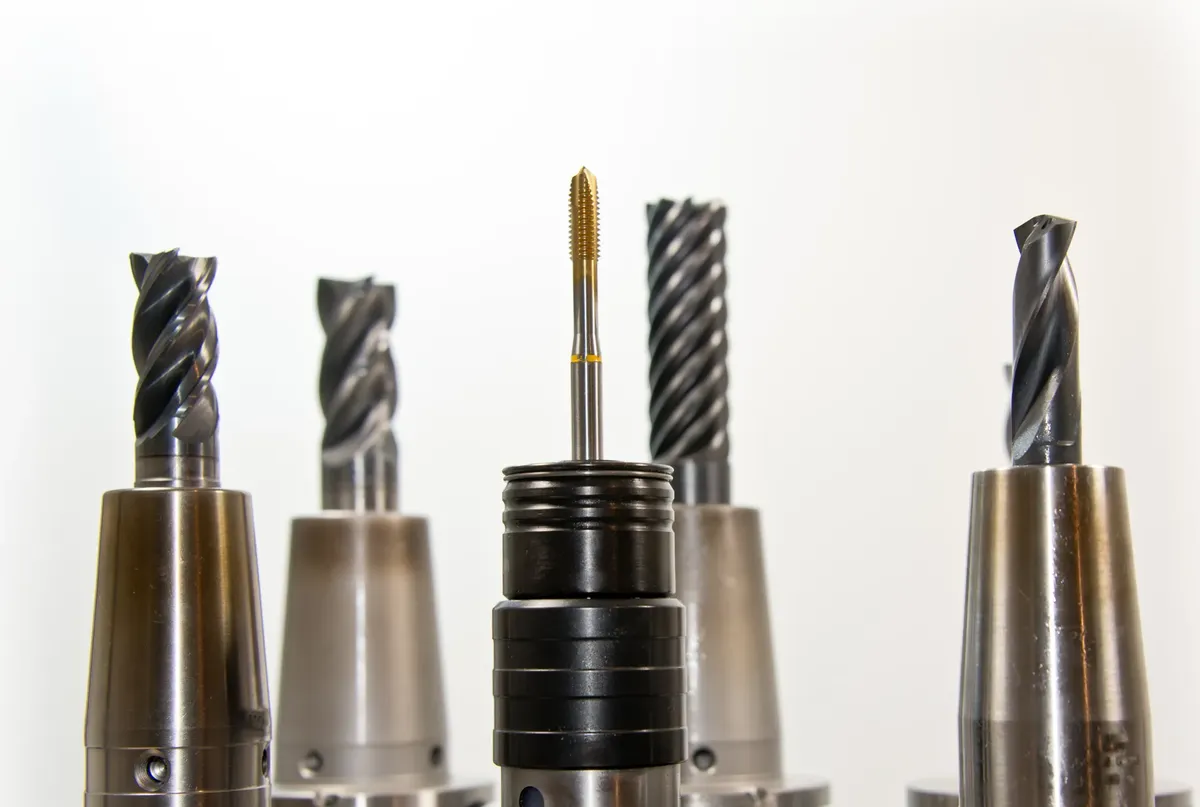
A worker adjusts the machine settings, carefully choosing between different tip angles to match the workpiece. The most common twist drill bit found in general hardware stores features a point angle of 118 degrees.
While this is acceptable for wood, metal, plastic, and most other materials, it does not perform as well as using the optimum angle for each specific material.
Advanced bit making often requires deviating from the standard 118-degree angle to achieve better results. For example, a more aggressive angle like 90 degrees is suited for very soft plastics and other materials, though it would wear rapidly in hard materials.
Conversely, a shallower angle, such as 150 degrees, is suited for drilling steels and other tougher materials.
How is coating technology applied to bits?
An engineer inspects a specialized bit, looking closely at the bonded surface of the tool. One type of specialized bit consists of a layer of diamond particles, typically about 0.5 mm (0.020 in) thick, bonded as a sintered mass to a tungsten-carbide support.
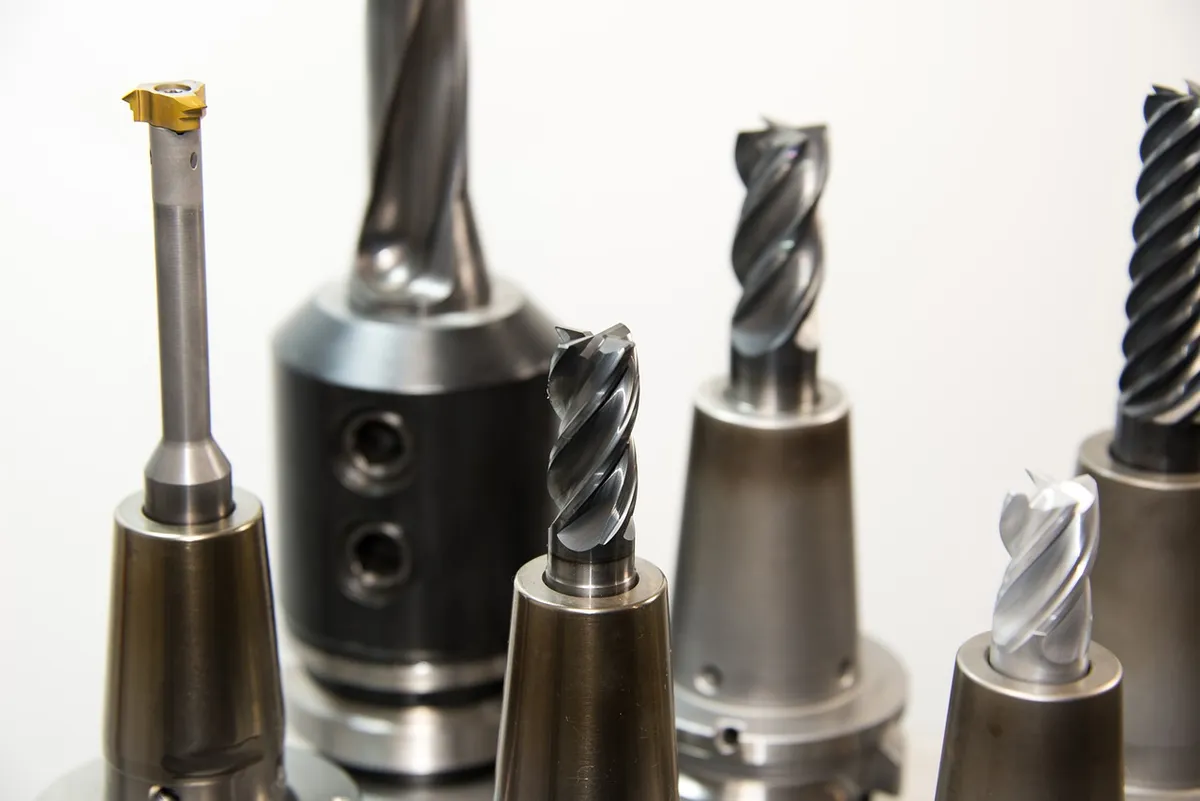
This specific construction provides the durability needed for high-precision tasks.
Tool coating impact is a critical factor when managing hardness and friction. In these specialized designs, the diamond layer is fused to the support to enhance cutting capabilities. This method allows for high-wear resistance in environments where standard steel bits would fail.
How are deep hole drilling tools used?
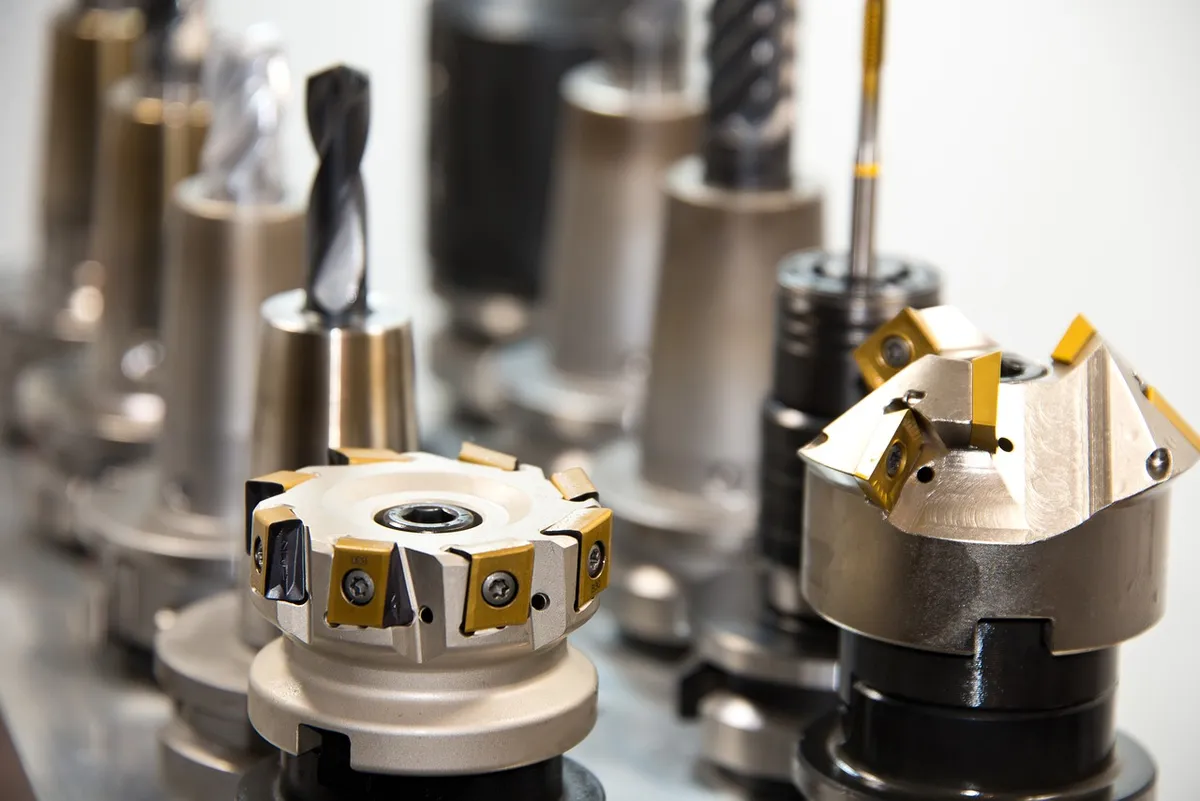
A heavy-duty drill enters a large workpiece, requiring specialized geometry for depth and stability. Certain tools are used almost exclusively for deep hole drilling of medium to large diameter holes, specifically those with a diameter of approximately 3/4 to 4 inches (19 to 102 mm).
When managing deep holes, the relationship between bit diameter and depth is vital. Generally, indexable drill bits are used in holes that are no deeper than about 5 times the bit diameter. However, some specialized tools are capable of cutting to a depth of about 10 times the bit diameter.
- Select a bit with sufficient flute length for chip evacuation.
- Align the tool perpendicular to the workpiece.
- Apply constant feed pressure to maintain stability.
What are the specific dimensions for industrial bits?
A factory operator checks the inventory of industrial inserts and large-scale bits. The inserts used in these systems come in various sizes that range from 7/16 to 2.5 inches (11 to 64 mm). For much larger applications, typical bit diameters can reach 6 to 14 inches (150 to 360 mm).
In massive industrial drilling operations, the scale is even more impressive. Some bits feature diameters from 6 to 14 inches (150 to 360 mm) with hole depths ranging from 12 inches (300 mm) up to 71 feet (22 m). Understanding these scales ensures the tool is matched to the industrial task at hand.
How do different bit types compare?
A craftsman selects a brad point bit from a drawer, noting its specific diameter. Brad point drill bits are ordinarily available in diameters from 3 to 16 mm (0.12 to 0.63 in). Choosing the right bit type remains essential for precision.
- Identify the material hardness to select the correct point angle. 2. Determine the required hole diameter to choose between solid carbide or tipped bits. 3. Assess the depth of the hole to select between indexable or standard twist drills. 4. Perform a final check on the tool's length-to-diameter ratio.
A limitation in tool selection is that very small diameters make it difficult to fit carbide tips, necessitating the use of solid carbide.
The subject here is Precision bit manufacturing trends.
The same subject is also called Manufacturing process tech.
This part also covers How coatings boost tool life.
This part also covers Evolution of bit production.
This part also covers Impact of coating on tools.
How coatings boost tool life
Related
- Tool maker rebranding impact: Guide to market re-entry
- Tool brand integration strategy: Guide to market dominance
When are solid carbide bits preferred over tipped bits? Solid carbide bits are chosen when the required hole diameters are in very small sizes, particularly in manufacturing processes like printed circuit board production. The difficulty in fitting carbide tips to such small sizes mandates the use of the solid carbide construction. This material integrity is necessary for achieving the required precision in these demanding applications.
How does material composition influence bit performance? The material composition dictates how a bit handles different substances during drilling. For instance, a diamond-bonded tungsten-carbide structure offers high wear resistance, which is beneficial in harsh cutting environments. Conversely, a standard steel bit would likely fail under the stresses encountered in high-precision tasks.
When considering the use of these tools, one must compare the required application against the bit's inherent material strength. The selection process must account for the specific demands placed on the tool, whether it is a small-sized component or a large industrial piece.





Comments 0