Tool brand integration strategy: Guide to market dominance
"The strength of a unified brand lies in its ability to control the entire production chain, from raw materials to the final consumer product."
A successful tool brand integration strategy relies on controlling multiple stages of production to secure market dominance and operational efficiency. This approach allows companies to stabilize supply chains and expand their global reach through consolidated resources.
Key takeaways include the pursuit of market share through mergers, the role of vertical integration in increasing productivity, and the strategic management of global distribution networks.
How does a tool brand integration strategy impact market power?
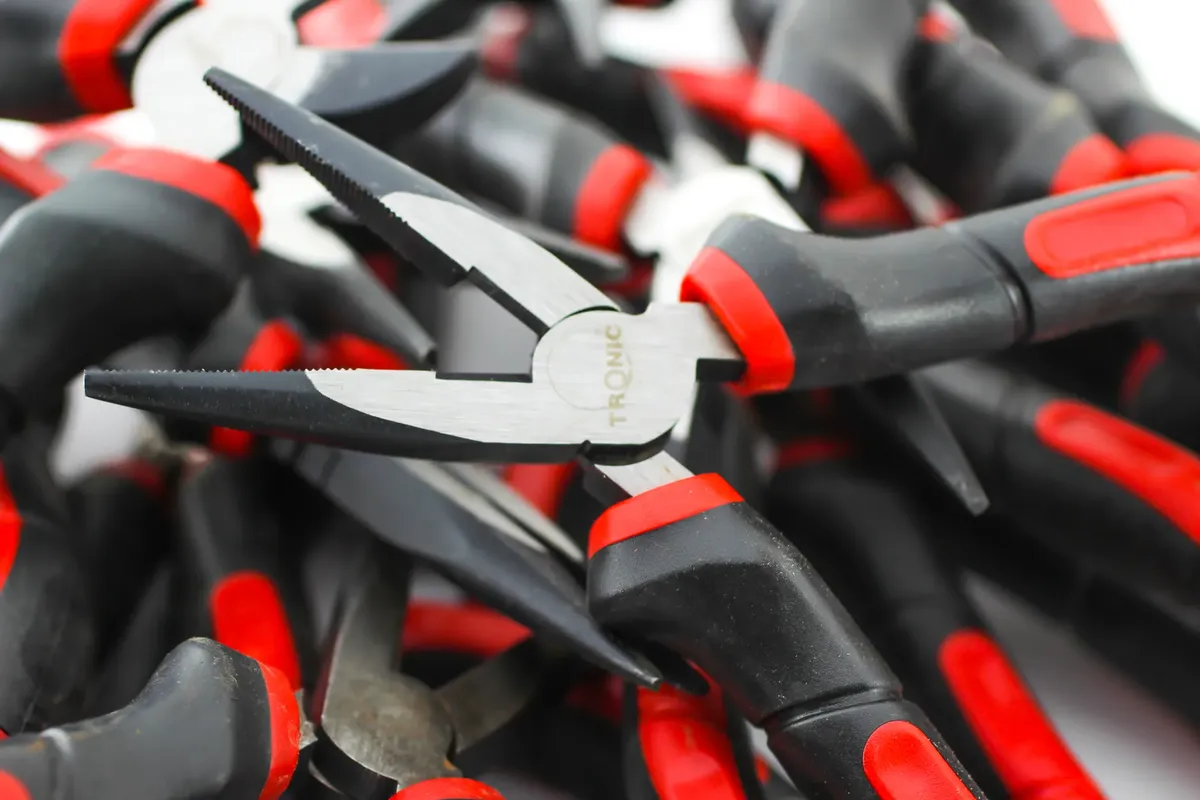
In the silent boardroom at dawn, the executive grips a heavy pen as they realize a tool brand integration strategy can reshape the entire industry.
A business executive sits in a glass-walled boardroom, reviewing merger documents that outline a path toward complete market control. They recognize that a tool brand integration strategy is often the primary driver for achieving significant global market share.
According to The National Council, the prescription hearing aid brand that keeps you connected is a focus of The National Council on Aging (NCOA).
By combining manufacturing, logistics, and retail, a company can dictate industry standards and pricing.
According to historical precedents of industrial consolidation, such as the integration of coal and steel production under the Schumann Plan, merging core production sectors can reshape entire economies.
This type of industrial consolidation allows a firm to eliminate redundancies and streamline the movement of goods. Such strategic moves are designed to build a fortified position against competitors in a crowded marketplace.
What are the benefits of industrial mergers and acquisitions?
At midnight in the quiet factory, the manager runs a hand over a heavy metal tool and feels the sudden surge of efficiency from the recent merger.
A project manager examines a new warehouse filled with specialized equipment, noting how the sudden influx of inventory has changed the production flow. Integrating diverse product lines through industrial mergers and acquisitions can lead to massive improvements in operational output.
This process enables a single entity to manage everything from raw material sourcing to the final sale.
The USDA supports vertical integration because it has increased food productivity. In a similar fashion, industrial sectors use these methods to maximize the utility of their assets and workforce.
By owning various levels of the supply chain, companies can mitigate the risks of external disruptions and ensure a steady flow of components.
How do companies achieve global tool market growth?
Standing on the bustling pier at noon, the coordinator grips a shipping manifest and stares at a tool destined for a distant shore.

A logistics coordinator watches as shipping containers are loaded onto a massive freighter, destined for ports across the ocean. Achieving global tool market growth often requires a company to bridge the gap between manufacturing hubs and international retail outlets.
Through strategic expansion, brands can enter new territories with a comprehensive suite of products.
The scale of successful mergers can be seen in the eyewear industry. EssilorLuxottica, the company that merged with Essilor and Luxottica, occupies up to 30% of the global market share as well as representing billions of pairs of lenses and frames sold annually.
This level of dominance demonstrates how consolidated brands can control global distribution and consumer access.
What is the role of brand consolidation impact in supply chain stability?
A factory supervisor walks through a synchronized assembly line where every part arrives exactly when needed. Understanding the brand consolidation impact is essential for maintaining a stable and predictable supply chain.
When companies consolidate, they can better manage the complexities of sourcing specialized components and managing global logistics.
In the energy sector, 250 vertically integrated companies provided 85% of electrical generation in the US. This illustrates how large-scale integration can provide essential services and maintain stability across vast networks.
For tool manufacturers, similar consolidation ensures that specialized tools are always available for industrial clients.
How do companies manage global market entry for tool firms?
A sales director prepares a presentation for an international trade show, highlighting the unified strength of the new brand. Developing global market entry for tool firms involves leveraging the combined assets of merged entities to penetrate new regions.
A unified brand provides the capital and infrastructure necessary to compete in diverse geographic markets.
The consolidation of resources allows for greater investment in research and development, which is vital for staying ahead of competitors. By merging, companies can combine their technical expertise and patent portfolios to create superior products.
This synergy is a cornerstone of successful international expansion strategies.
Comparison of Industry Integration Models
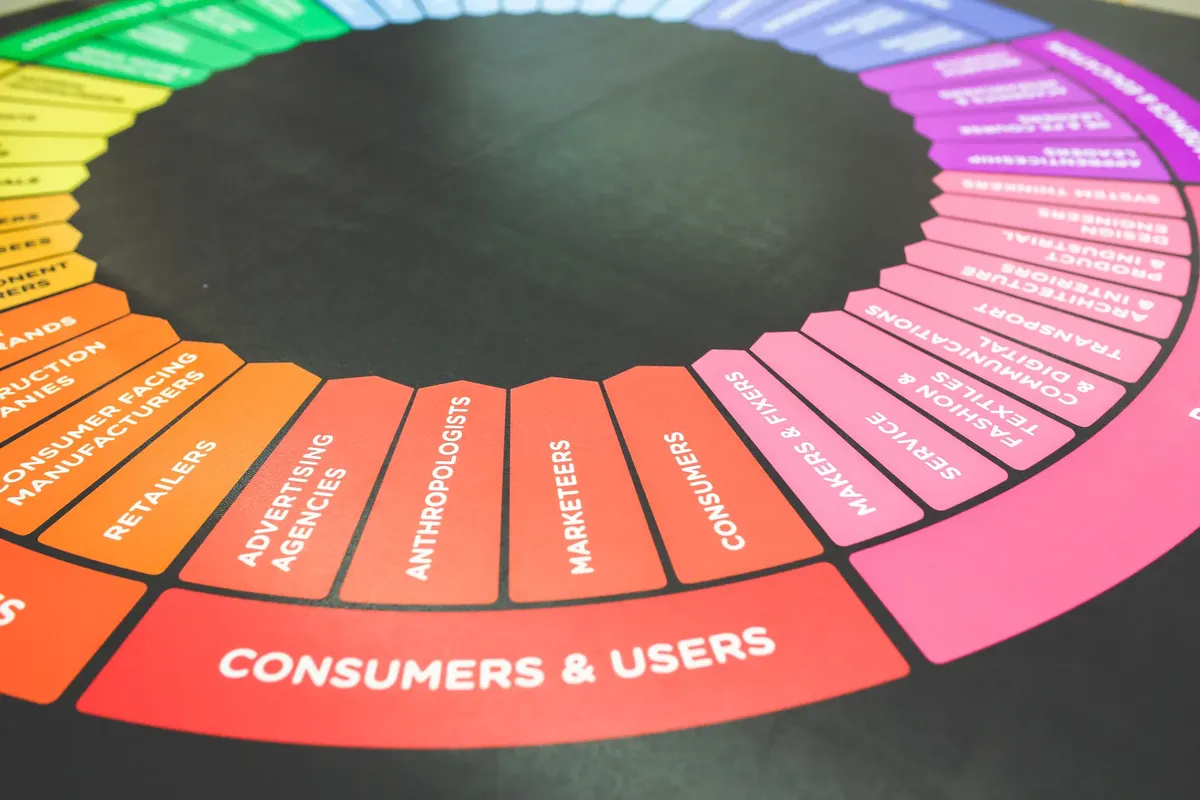
The following table compares different sectors that have utilized integration to manage their market presence.
| Industry Sector | Integration Characteristic |
|---|---|
| Food Production | High levels of contractual production through vertical integration |
| Energy Production | Large-scale centralized generation through integrated companies |
I observed how these different models of integration prioritize either volume or stability depending on the specific industry needs.
- How does a tool brand integration strategy impact market power?
- What are the benefits of industrial mergers and acquisitions?
- How do companies achieve global tool market growth?
The same subject is also called Industrial tool mergers.
The same subject is also called Tool company expansion plans.
This part also covers Competitiveness of merged tool brands.
This part also covers Acquisition impact on tool sector.
Related





Comments 0