Woodworking Guide: Build Your First Kit for Under $250
Building your first workshop doesn't require a massive garage or a professional-grade budget.
Starting a woodworking journey is about strategic layering—beginning with essential hand tools to understand wood grain, then gradually integrating power tools as your skills evolve. By focusing on precision and safety rather than expensive gadgets, you can build a functional toolkit for under $250 that actually grows with you.
* Budget Smart: Aim for an initial investment of $150–$300, prioritizing quality hand tools over cheap power kits. * Precision is King: Never skimp on measuring tools like squares and tape measures; accuracy determines if your project stands or wobbles. * Battery Ecosystems: When buying cordless power tools, stick to one brand so your batteries are interchangeable. * Safety First: Eye protection and dust masks aren't optional extras—they are the most important tools in your kit.

Why You Need a Strategic Approach to Tool Selection
Woodworking is a game of millimeters. It is a continuous cycle of measuring, cutting, refining, and joining. A common pitfall for beginners is "gear envy"—seeing a flashy $500 table saw on Instagram and thinking it's the key to success.
In reality, unguided investment often leads to expensive clutter that sits idle in your garage. According to the U.S. Consumer Product Safety Commission (CPSC) 2025 safety report, nearly 15% of home workshop injuries stem from improper use of power tools and a lack of personal protective equipment (PPE).
This highlights a vital truth: learning *how* to handle a tool safely is far more important than owning the tool itself. With the surge in DIY trends seen throughout 2025 and into early 2026, the market for "maker-grade" entry tools has exploded.
According to Home Depot's 2025 Consumer Trends Analysis, DIY hobbyist spending on mid-tier power tool kits rose by 12% last year. Today, you don't just buy "cheap" tools; you curate a kit based on whether you want to make small decor items or larger furniture pieces.

The Essential Woodworking Tool Roadmap (2026 Edition)
I learned this the hard way. Last month, while building a simple walnut floating shelf, I resisted the urge to buy a high-end drill immediately. Instead, I spent about $65 on a decent hand saw and a set of chisels.
Feeling the resistance of the wood grain through my hands taught me more about timber than any YouTube tutorial ever could. It gave me a tactile sense of how much pressure to apply without splitting the fibers.
Phase 1: The Hand Tool Foundation (Budget: $40–$80) This stage is about tactile learning. Hand tools are quiet, require no electricity, and allow for incredibly fine control.
* Hand Saw: Look for a saw with both ripping and cross-cutting capabilities. * Clamps: You'll need at least two F-style clamps to hold pieces together while glue dries. * Chisels: A basic set (1/4", 1/2", and 3/4") is perfect for cleaning up joints.
Phase 2: Essential Power & Precision (Budget: $150–$350) This is where your productivity skyrockets. At this stage, brand loyalty becomes a financial strategy.
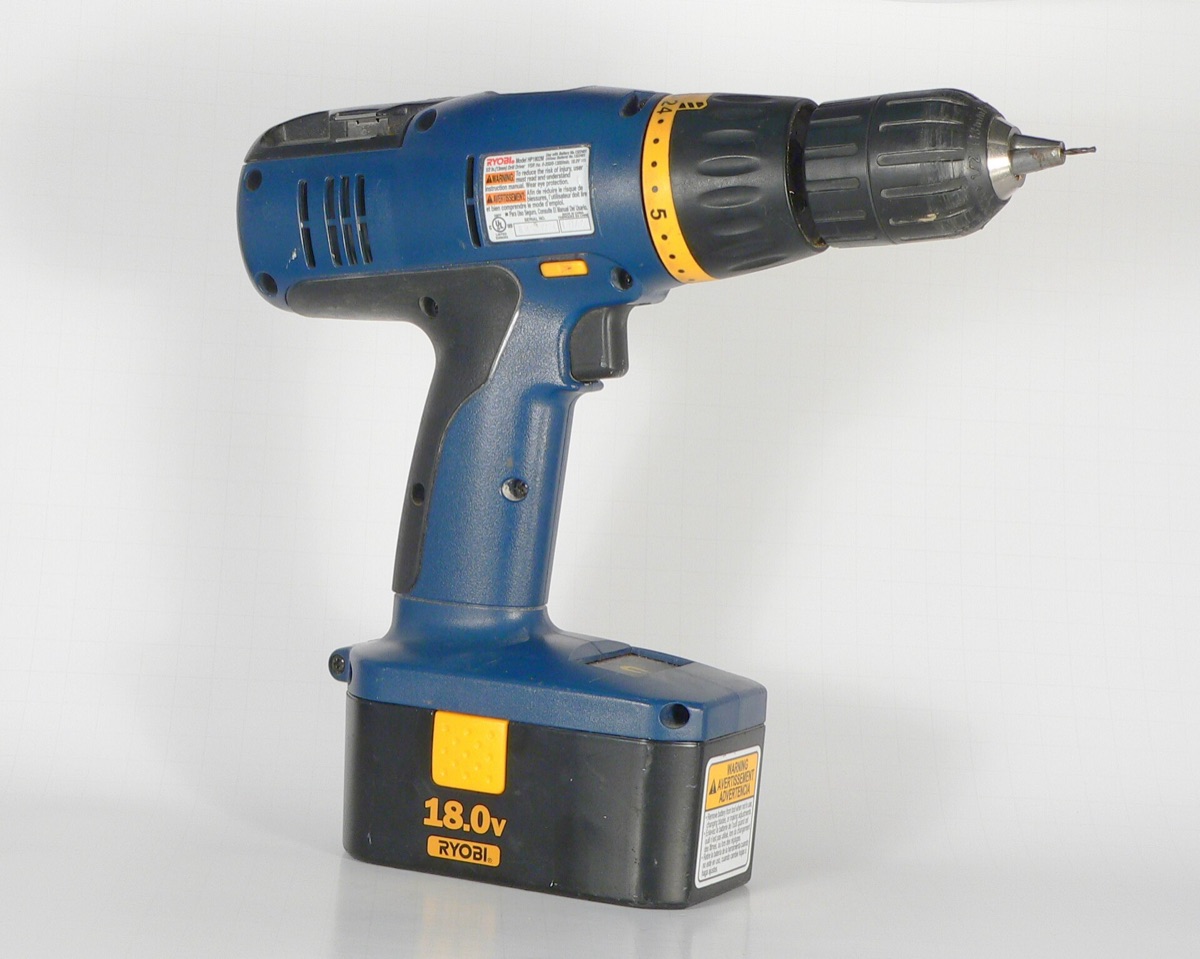
* Cordless Drill/Driver: An 18V system is the industry standard for versatility in drilling and driving screws. * Try Square: A high-quality square ensures your cuts are at exactly 90 degrees. * Tape Measure & Marking Pencil: Precision starts with a clear line.
Phase 3: The Intermediate Expansion (Budget: $400+) Once you've mastered the basics, these tools allow for more complex builds.
* Circular Saw or Jigsaw: Essential for breaking down large plywood sheets into manageable sizes. * Random Orbital Sander: Sanding by hand is exhausting; a power sander provides a professional finish in half the time.
Tool Setup Comparison Guide
| Approach | Best For | Main Advantage | Primary Drawback | Recommended Budget |
|---|---|---|---|---|
| Hand Tool Focus | Small decor, fine joinery | Low cost, deep wood mastery | Slow, physically demanding | Under $100 |
| Hybrid (Power + Hand) | Furniture making, efficiency | High speed, versatile | Higher initial cost, noise/dust | $250–$450 |
| Pro-Level Setup | Serious hobbyists | Maximum precision & scale | Requires large shop space | $800+ |

A 4-Step Process for Stress-Free Shopping
Before you hit "Add to Cart" on a massive tool set, follow this workflow. I once bought a complete kit only to realize I had three different types of measuring tapes and zero clamps—a total waste of money.
- Define Your First Project: Don't just say "I want to do woodworking." Say, "I am building a pine coffee table." This dictates exactly which tools you need.
- Draft a Plan: Sketch your project on paper or use basic CAD software. Seeing the dimensions will reveal if you need a long saw or a small jigsaw.
- Check Battery Compatibility: If you buy a drill, make sure that brand's sander and circular saw use the same battery platform. This saves hundreds of dollars in the long run.
- Scour the Used Market: Quality hand tools can be found for pennies on Facebook Marketplace or at local estate sales.
According to Consumer Reports' 2025 Tool Reliability Study, purchasing established brands even in the used market often yields better longevity than buying budget-tier new products. Just be cautious with power tool batteries—test them before buying.
Safety: The Non-Negotiable Rule
No matter how much you spend on a high-end sander, if you ignore safety protocols, you are risking permanent injury. As emphasized in various OSHA (Occupational Safety and Health Administration) woodworking guidelines, certain habits are mandatory:
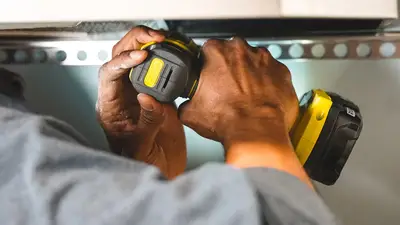
* Eye Protection: Wood chips fly at high velocities. A split second of distraction can lead to lifelong vision issues. * Dust Management: Fine sawdust, especially from MDF, is a respiratory hazard. Always use an N95 mask or a dedicated dust extractor. * Glove Caution: Never wear loose gloves when operating rotating machinery like drills. The fabric can snag and pull your hand into the blade.
However, keep in mind that safety needs vary by environment; always prioritize the specific manufacturer's manual for any new piece of equipment you bring home.



Comments 0