How do I choose the right bit angle for my project?
"The right tool is not just about power, but about the geometry of the bit meeting the reality of the material."
A 2026 power drill guide requires understanding how different bit angles and diameters interact with specific materials to ensure precision and tool longevity. This guide covers selection based on point angles, deep hole drilling techniques, and diameter constraints for various applications.
Key takeaways include matching bit angles to material hardness, understanding depth limitations for indexable bits, and recognizing specialized tools for deep-hole tasks.
How do I choose the right bit angle for my project?

A craftsman stands over a workbench, eyeing a pile of wood, metal, and plastic pieces while holding a standard twist bit. Selecting the correct angle is essential because a mismatch can lead to poor performance or rapid tool wear.
The most common twist drill bit found in general hardware stores features a point angle of 118 degrees. This versatile option is acceptable for use in wood, metal, plastic, and most other materials. However, it does not perform as well as using the optimum angle designed for specific materials.
For specialized tasks, a more aggressive 90-degree angle is suited for very soft plastics and other soft materials. Using this angle in hard materials would cause the bit to wear rapidly. Conversely, a shallower angle, such as 150 degrees, is suited for drilling steels and other tougher materials.
- Determine the material hardness of your workpiece.
- Select a point angle that balances chip clearance and centering stability.
- Verify the tool's clearance angle for the specific material type.
What are the requirements for deep hole drilling? 2026 power drill guide
Late at night in the dim workshop, I grip the heavy machine handle to choose a specialized bit for the deep bore.
An operator adjusts the settings on a heavy-duty machine, preparing to bore into a thick metal block. Deep hole drilling requires specialized bits designed to handle significant depths without losing stability.
Certain tools are used almost exclusively for deep hole drilling of medium to large diameter holes, which typically range from approximately 3/4 to 4 inches (19–102 mm) in diameter. These specialized bits are designed to manage the unique stresses of deep penetration.
In heavy industrial settings, typical bit diameters can reach 6–14 inches (150–360 mm), with hole depths ranging from 12 inches (300 mm) up to 71 feet (22 m). Using such massive equipment requires precise calibration to maintain accuracy over long distances.
In this sequence, the first step is the most critical for maintaining stability.
How do indexable drill bits work?
Late at night in the dim workshop, I grip the heavy metal bit to choose the perfect insert for the task.
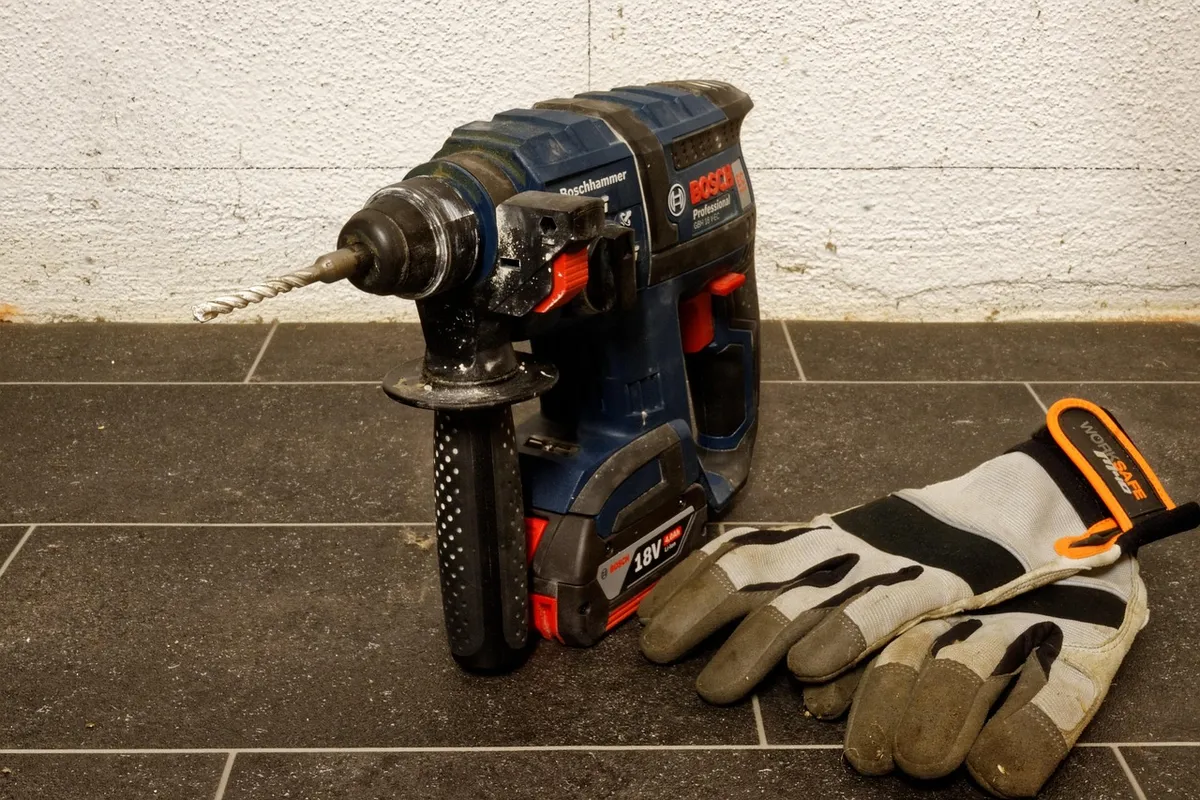
A technician carefully inspects a set of replaceable inserts, checking their dimensions against a technical manual. Indexable bits offer a different approach to cutting, focusing on replaceable components for efficiency.
The inserts used in these systems come in various sizes that range from 7/16 to 2.5 inches (11 to 64 mm). Because these tools rely on specific geometries, understanding their depth limitations is critical for preventing breakage.
Typically, indexable drill bits are used in holes that are no deeper than about 5 times the bit diameter. These tools are capable of cutting to a depth of about 10 times the bit diameter under specific conditions.
I find that checking the diameter-to-depth ratio is the most vital step when setting up these tools.
What is a trepan or BTA drill bit?
A worker observes a large-scale boring operation where a specialized bit creates a clean, hollowed-out section in a workpiece. This process differs from standard drilling because it leaves a core behind.
According to the Boring and Trepanning Association, a trepan, sometimes called a BTA drill bit, is a drill bit that cuts an annulus and leaves a center core.
A trepan, sometimes called a BTA drill bit (after the Boring and Trepanning Association), is a drill bit that cuts an annulus and leaves a center core. This method is highly effective for specific industrial applications where a solid plug is not required.
The ability to cut an annulus allows for efficient material removal in large-scale projects. It is a distinct method compared to standard twist drilling, where the entire volume of the hole is removed.
How do bit dimensions vary in standard applications?
A person compares various twist bits of different lengths and widths on a cutting mat. The wide range of available sizes allows for everything from delicate hobby work to heavy construction.
Twist drill bits cover a vast range of sizes to accommodate different needs. They range in diameter from 0.002 to 3.5 inches (0.051 to 88.900 mm) and can be as long as 25.5 inches (650 mm).
| Feature | Small Scale Range | Large Scale Range |
|---|---|---|
| Bit Diameter | 0.002 to 3.5 inches | 6 to 14 inches |
| Tool Length/Depth | Up to 25.5 inches | Up to 71 feet |
Summary of Drill Bit Specifications
To ensure success with a 2026 power drill guide, follow these steps:
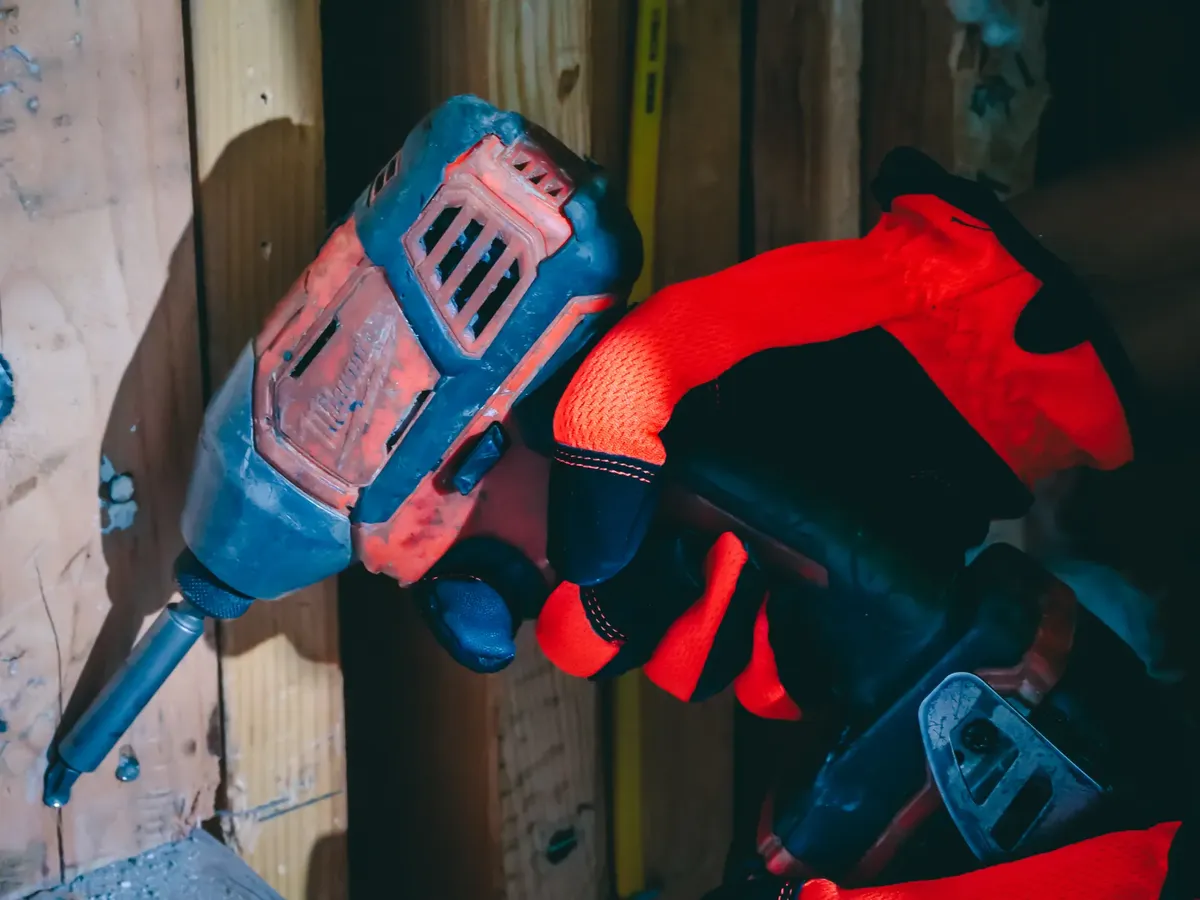
- Identify the material hardness to select between 90, 118, or 150-degree point angles. 2. Determine the required hole diameter and depth to choose between standard twist bits or specialized deep-hole tools. 3. Check the depth-to-diameter ratio to ensure the tool is within safe operating limits.
Always perform a final check of the bit's integrity and the material's suitability for the chosen angle.
The same subject is also called best drill usage 2026.
The same subject is also called drill safety tips 2026.
The same subject is also called new drill trends 2026.
The same subject is also called how to use power drill.
This part also covers top selling drills 2026.
This part also covers drill operation guide.
This part also covers avoid drill accidents.
top selling drills 2026
Related
- Wireless power transfer guide: 1.5 km Tips for best charging
- Versatility power tool choice for beginners guide
When should I consider a trepan over a standard drill bit? A trepan bit becomes the right tool when the application demands the removal of a solid core from the material. This method differs significantly from standard drilling because it leaves a plug behind the cut. The ability to cut an annulus makes the trepan highly effective for large-scale projects where material removal needs to be controlled.
How does material hardness affect bit selection? Matching bit angles to material hardness is a critical consideration when selecting the right tool. For instance, a 90-degree angle suits very soft plastics, but using that same angle on hard materials will result in rapid bit wear. Conversely, the 150-degree angle is better suited for tougher materials like steel.
When selecting the right tool, the geometry of the bit must align with the material's properties. A mismatch, regardless of the bit's power, will compromise the intended precision of the operation.




Comments 0