Screwdriver handle design evolution: How to select tool grip
"Precision is not just about the tip of the tool, but how the hand transfers power to that tip through the interface of the handle."
The evolution of screwdriver handle design focuses on ergonomic geometry and material grip to maximize torque transfer and minimize hand fatigue during repetitive tasks.
This guide examines how specialized shapes influence work efficiency and how professionals select tools based on hand-to-tool connectivity.
Key takeaways: * Ergonomic shapes aim to distribute pressure across the palm. * Material selection balances grip friction with comfort. * Handle geometry directly impacts torque delivery in tight spaces.
How does screwdriver handle design evolution affect work efficiency?
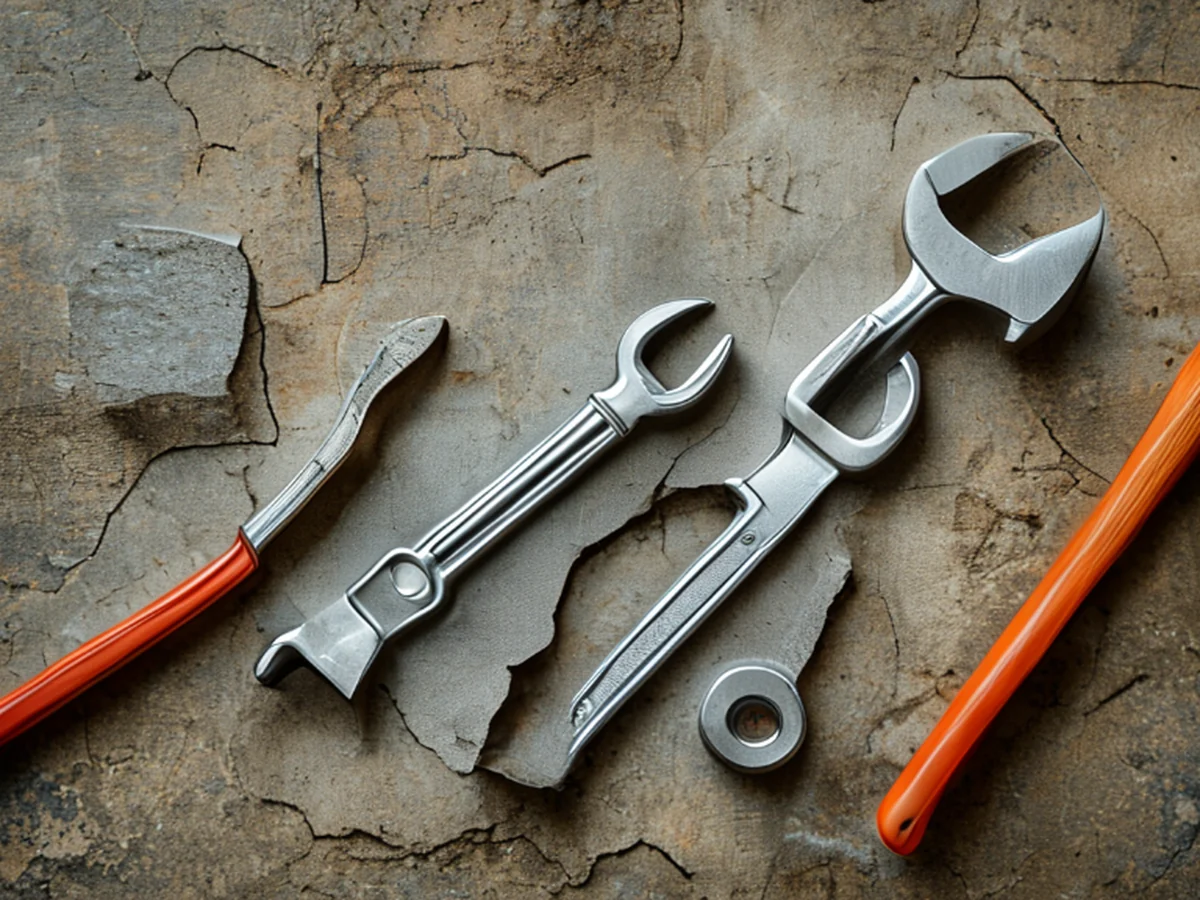
A technician holds a heavy-duty screwdriver, feeling the weight shift as they apply pressure to a stubborn screw. The grip must prevent slipping while allowing the hand to move fluidly during rotation.
Modern handle design has moved away from simple cylinders toward complex, multi-component shapes. Engineers study hand anatomy to create contours that fill the palm, ensuring that the force applied by the user is directed straight into the fastener.
This prevents the tool from wobbling, which is a primary cause of stripped screw heads and hand strain.
Effective handle designs often feature different zones for different tasks. For instance, a larger bulbous area provides the surface area needed for high-torque applications, while tapered sections allow for more precise finger control during delicate work.
By matching the tool's shape to the natural grip of the hand, the energy required to turn a screw decreases, directly increasing the speed and accuracy of the task.
- Transition from simple wooden shafts to contoured grips.
- Integration of slip-resistant materials to prevent hand fatigue.
- Optimization of grip diameter for varied-force applications.
What are the primary components of an ergonomic handle?
A worker reaches for a tool, noting the texture where the thumb rests against the hard plastic. The tactile feedback tells them exactly how much pressure they can apply before the tool slips.
Effective handle design typically integrates three specific elements to optimize user performance:
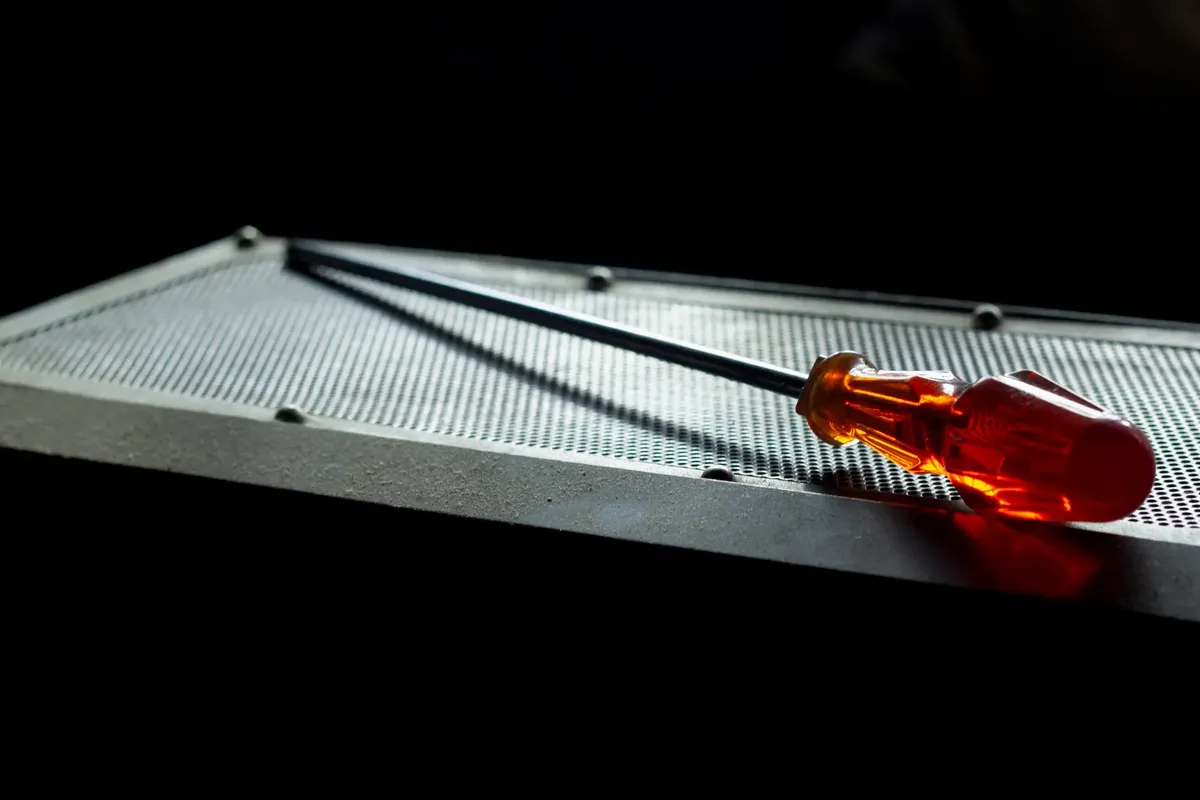
- Surface Texture: Micro-textures or molded patterns provide grip even when hands are oily or sweaty, preventing sudden slips. 2. Geometry: Contoured shapes that follow the natural curves of the palm help distribute pressure evenly, avoiding painful pressure points. 3. Material Composition: A combination of hard cores for structural integrity and soft-grip overlays for comfort allows for both strength and comfort.
When I hold a tool with a multi-material handle, I can immediately feel the difference in how the force is absorbed. The hard core prevents the handle from flexing under heavy load, while the soft outer layer provides the necessary friction to maintain control.
This balance is essential for maintaining consistency over a long workday.
In this sequence, the second component is the most significant.
How do professionals apply these design principles to specific tasks?
A carpenter selects a specific driver from a tool chest, checking the diameter of the handle against their hand size. Different tasks require different levels of grip control and power.
Applying ergonomic principles requires matching the tool to the specific environment and task requirements. To ensure the best results, follow these steps:
- Assess the torque requirement: Choose a larger, thicker handle for heavy-duty tasks that require significant hand strength. 2. Evaluate the space constraints: Select slimmer, more tapered handles for tasks in tight or awkward positions where finger-tip control is more important than palm pressure. 3. Verify the grip stability: Test the friction of the handle material against your hand to ensure it remains secure during high-torque applications.
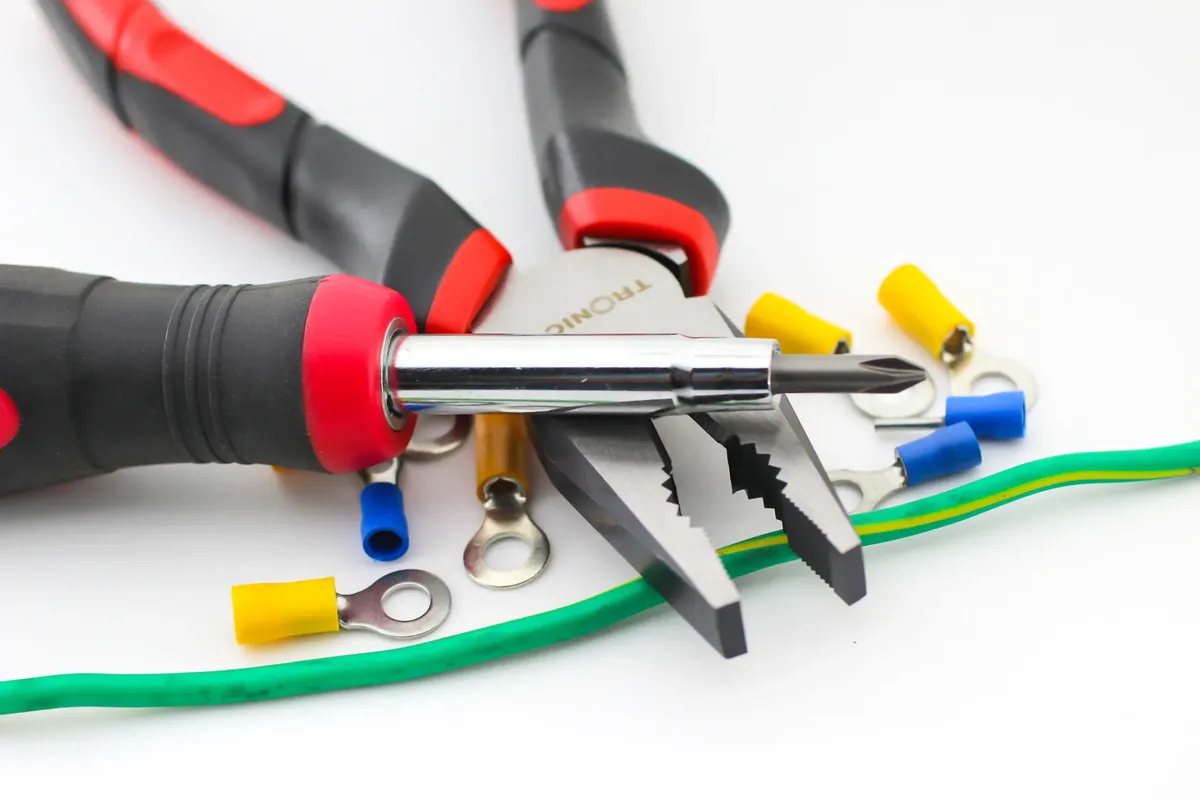
To complete the process, always perform a final check by applying a simulated load to ensure the tool does not slip from your hand before you begin the actual work. Professionals often switch between different handle shapes throughout a single project to manage fatigue and maintain precision.
How do different tip sizes relate to handle requirements?
A technician lines up a set of screwdrivers, noting the varying thickness of the handles compared to the precision of the tips. The interface between the handle and the tip is where the power is managed.
The relationship between the handle and the tip is critical for stability. While the handle manages the user's input, the tip must remain seated in the screw head. For example, Robertson-head screwdrivers are available in a standard range of tip sizes, from 1.77mm to 4.85mm.
As the tip size changes, the handle must provide enough leverage to turn the specific screw size. A larger tip often requires a beefier handle to provide the necessary leverage, whereas micro-tips require handles that allow for fine motor movements.
If the handle is too large for a small tip, the user loses the ability to make precise adjustments, which can lead to tool slippage.
| Feature | High-Torque Handles | Precision Handles |
|---|---|---|
| Primary Goal | Power transfer and grip | Controlled movement |
| Shape Profile | Large, bulbous, thick | Slim, tapered, finger-focused |
I find that choosing between these two profiles depends entirely on the scale of the project I am tackling.
What are the limitations of handle design evolution?
A mechanic wipes grease from a tool, looking at the worn-down texture on a plastic grip. The physical reality of use eventually challenges even the most advanced designs.
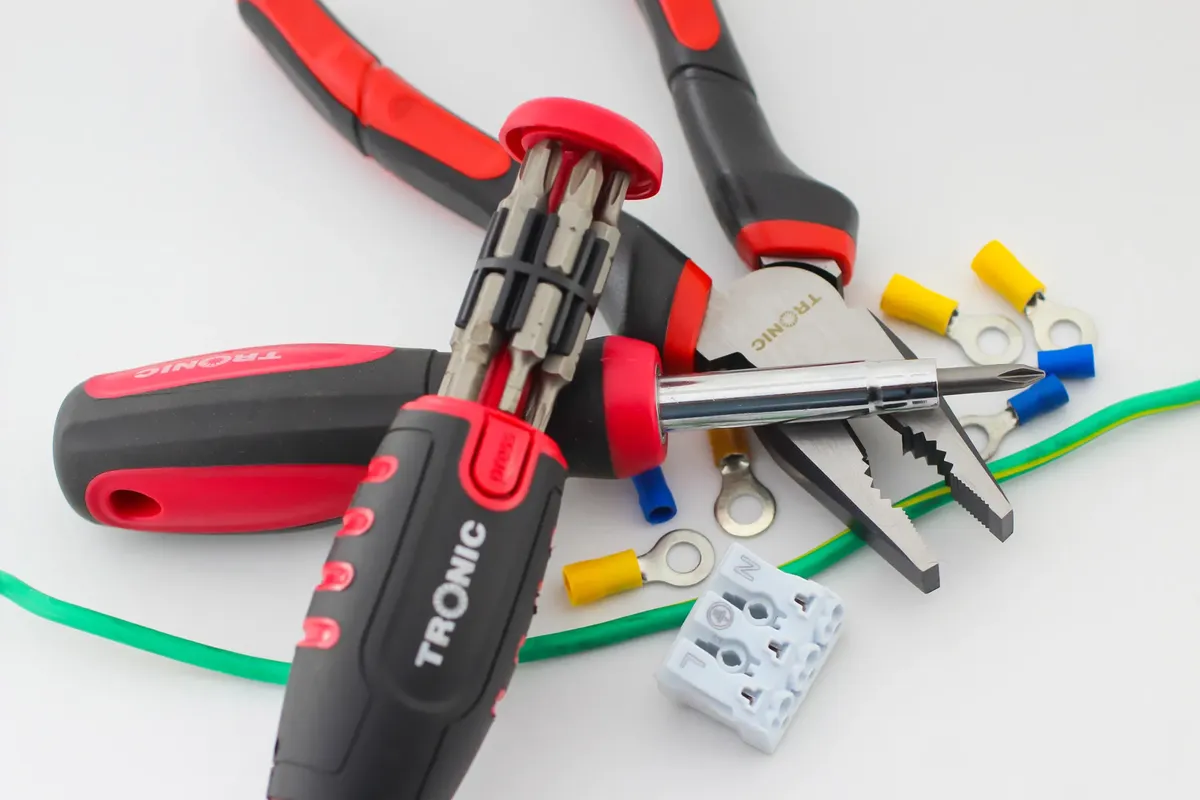
While ergonomic designs are highly effective, they are not universal solutions. A limitation of specialized handle shapes is that they may only be comfortable for certain hand sizes or grip styles.
A handle optimized for a large hand may be difficult to control for a user with smaller hands, potentially leading to decreased accuracy or increased fatigue for those individuals.
The subject here is screwdriver handle design evolution.
The same subject is also called Wera Kraftform impact.
The same subject is also called tool handle efficiency.
The same subject is also called precision screwdriver grip.
The same subject is also called ergonomic tool design.
This part also covers advanced screwdriver handle tech.
This part also covers improving work efficiency tools.
This part also covers Kraftform design analysis.
advanced screwdriver handle tech
Related


Comments 0