Beginner power tool guide: Prioritize control over raw power
"A beginner shouldn't start with the most powerful machine in the shop, but with the one that offers the most control."
To select the right equipment, beginners should prioritize ease of use, safety features, and task-specific functionality over raw power. This guide explores how to evaluate tool basics, manage budget constraints, and select reliable starter models for home projects.
Key takeaways: * Prioritize user-friendly features to prevent accidents. * Match tool capability to specific home maintenance tasks. * Focus on manageable power levels rather than heavy-duty industrial specs.
How to begin your beginner power tool guide?
In the quiet morning light of the workshop, a beginner grips a heavy drill and feels the cool metal against their palm.
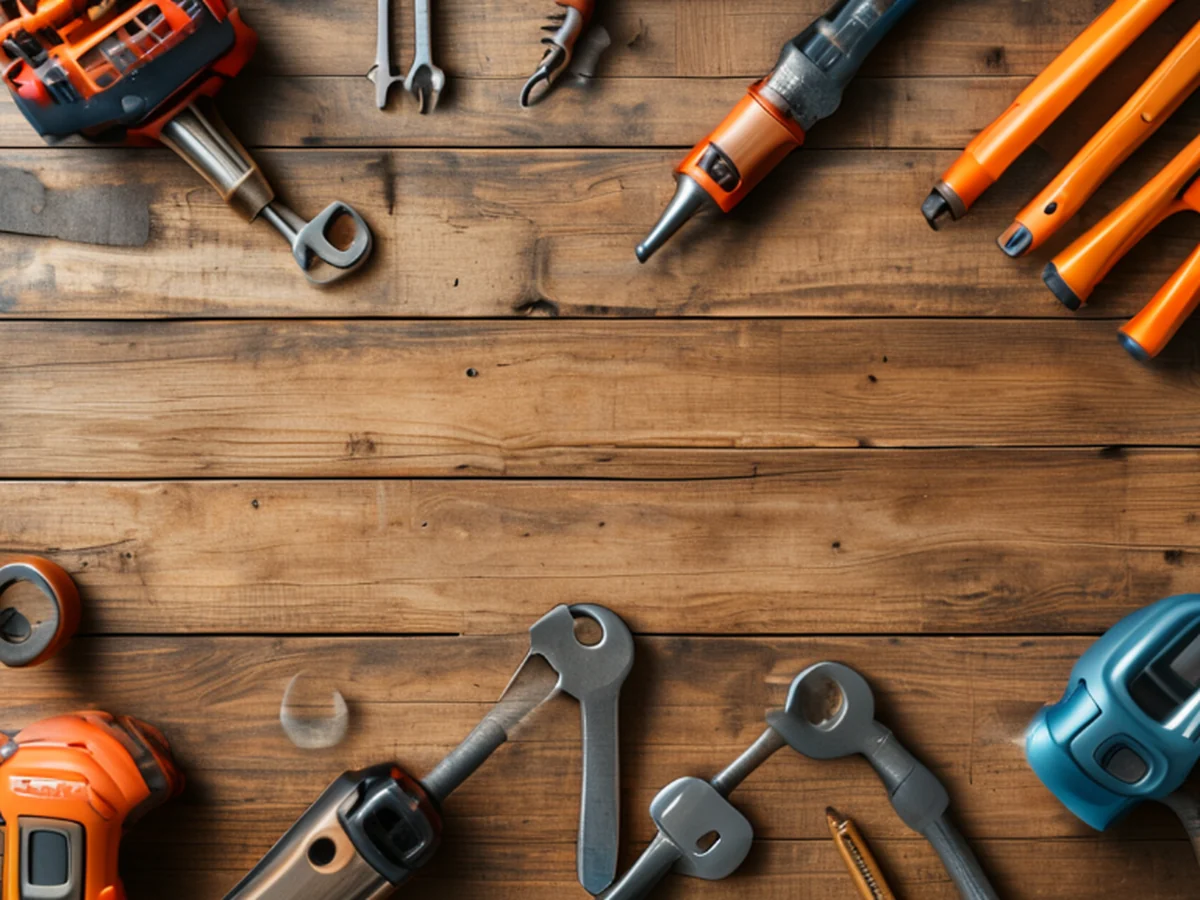
A novice walks into a hardware store, staring at a wall of spinning blades and heavy drills, feeling overwhelmed by the sheer variety of options. The first step in building a collection is understanding that more power does not mean better results for simple household tasks.
Selecting the right equipment requires assessing your specific needs before looking at brand names. You should look for tools with ergonomic grips and manageable weight to ensure comfort during use.
A beginner power tool guide should emphasize that steady control is more valuable than high-speed settings when you are still learning hand-eye coordination.
Choosing the right starter tools involves looking at the intended application of each device. For instance, a basic drill is often more useful for a new homeowner than a heavy-duty rotary hammer.
You must ensure that the tool's power output matches the materials you plan to work with, such as wood, plastic, or drywall.
- Identify the specific types of projects you want to tackle.
- Assess your current workspace and available power sources.
- Research the fundamental functions of different tool categories.
What are the best tools for new users?
A person picks up a cordless drill for the first time, feeling the weight of the battery in their palm and testing the trigger tension. They realize that a tool that feels natural in the hand is much easier to control during delicate tasks.
The best tools for new users are typically those that offer high levels of forgiveness during operation. Compact cordless drills and screwdrivers are excellent starting points because they are intuitive and easy to maneuver.
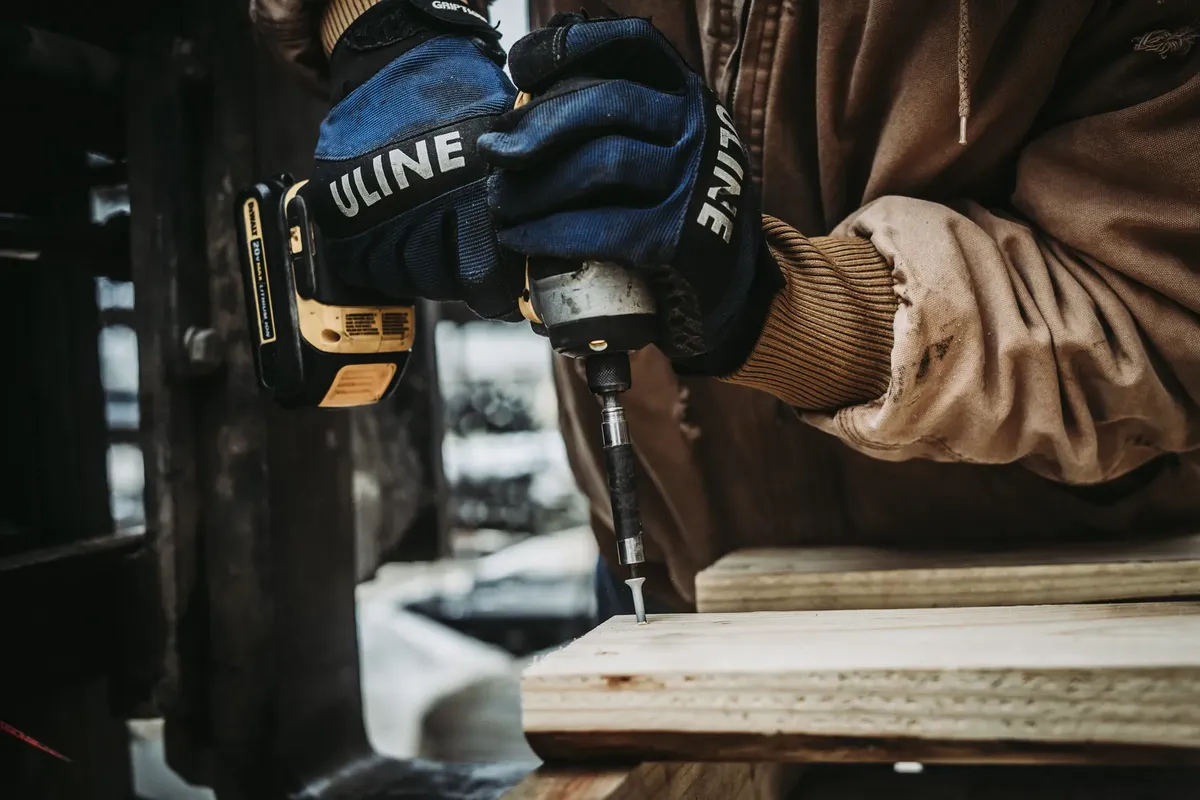
These tools allow you to practice precision without the risks associated with much larger machinery.
When evaluating tool kits, look for versatility and ease of maintenance. You want tools that can handle multiple screw sizes or drill bit types without requiring constant adjustments.
This versatility ensures you can complete various small projects without needing to purchase specialized equipment immediately.
A versatile cordless drill, a circular saw, and a basic orbital sander provide a solid foundation for most home improvement tasks.
How to manage choosing first power tool budgets?
An empty wallet sits on a workbench next to a single, sturdy screwdriver, representing the reality of starting a tool collection from scratch. The user realizes that buying one quality tool is better than buying five cheap ones that break easily.
According to the Golden Valley Electrical Association, the system, operated by the Golden Valley Electrical Association (GVEA), is expected to reduce power blackouts on the local power grid by more than 60 percent.
Effective budget management involves investing in a few high-quality core tools rather than a massive, low-quality kit. Investing in a reliable base model allows you to expand your collection later with compatible batteries and accessories.
This approach prevents the frustration of owning a garage full of useless, mismatched equipment.
You can also look for entry-level lines from reputable manufacturers that offer better safety and durability. While professional-grade tools are more expensive, many consumer-grade brands provide sufficient performance for DIY tasks.
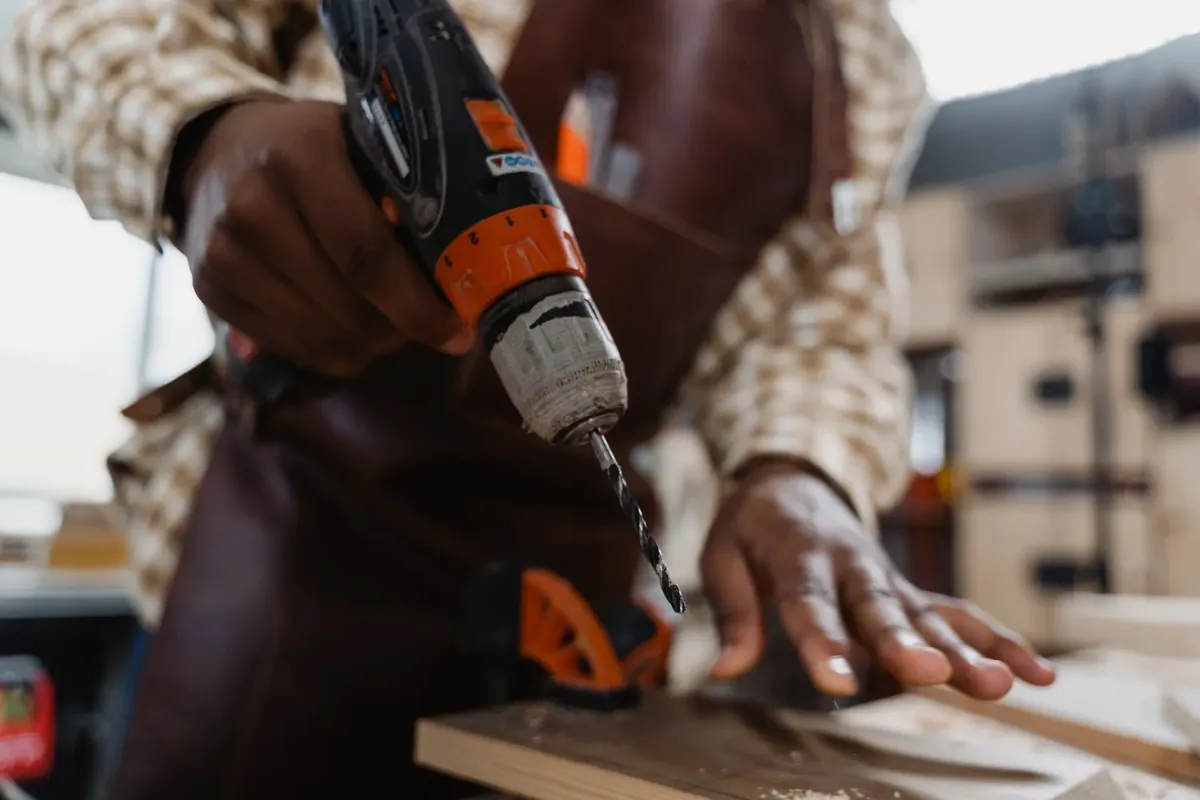
This strategy keeps your initial investment manageable while still providing reliable service.
Prioritize spending on high-quality core tools that will last for years, while opting for more affordable accessories to manage initial costs.
What are the keys to easy power tool selection?
A homeowner stands in a garage, comparing a cordless drill to a corded version, weighing the freedom of movement against the reliability of a constant power source. They decide that the convenience of a battery-operated tool fits their current lifestyle better.
Easy power tool selection relies on understanding the difference between corded and cordless options. Cordless tools offer mobility, which is great for reaching tight corners, but they require battery management.
Corded tools provide consistent power without the need for charging, which is ideal for longer, more demanding tasks.
It is also helpful to consider the ecosystem of the brand you choose. If you buy a cordless tool, you are often committing to that brand's specific battery platform. Selecting a brand with a wide range of compatible cordless tools can save you significant money in the long run.
Focus on ergonomics, weight, and battery compatibility to ensure your tools are both comfortable and practical for long-term use.
What are some beginner tool buying tips for safety?
A student wears safety goggles and gloves, carefully testing the trigger of a new tool in a controlled environment. They learn that understanding the tool's limits is the most important part of the learning process.
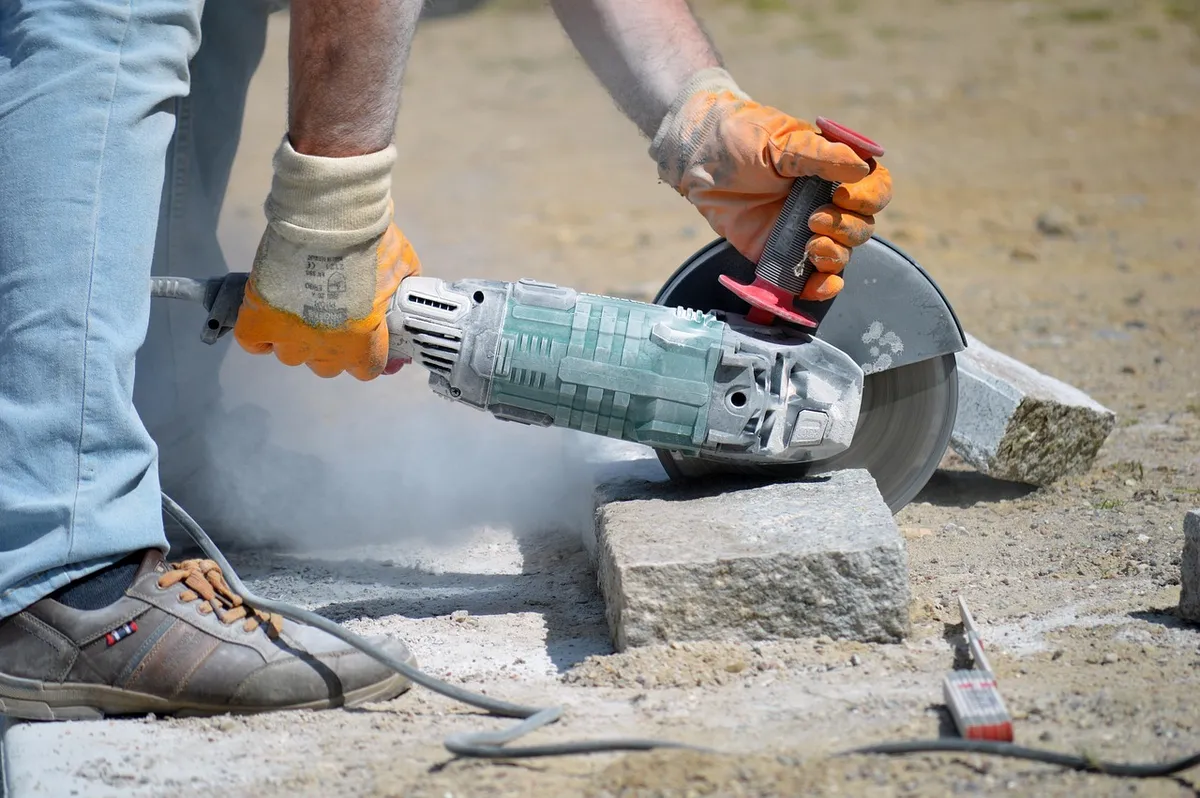
Effective beginner tool buying tips focus on safety mechanisms and ease of operation. Look for tools with adjustable speed settings, which allow you to start slow and build up confidence. Features like clutch settings can prevent the tool from jerking out of your hand when a screw hits resistance.
Always check for built-in safety guards and emergency shut-off switches. These features are essential for preventing accidents during the learning phase. A tool that feels sturdy and has clear, easy-to-read markings is much safer for a novice than one with complex, confusing controls.
Always look for tools with built-in safety features like blade guards and electronic locks, and never purchase a tool that feels unstable or poorly constructed.
How to handle tool storage and maintenance?
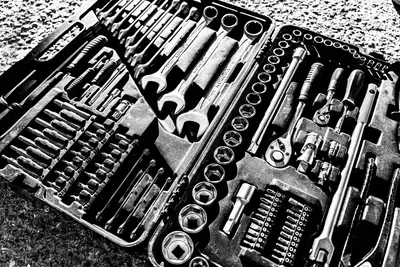
A clean workbench holds a single drill and a small organizer box, keeping everything organized and ready for the next project. The user knows that keeping tools clean is the first step to making them last for years.
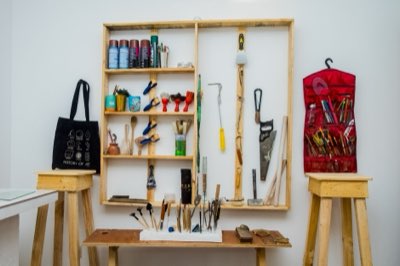
Proper tool storage and maintenance prevent damage and ensure your equipment is always ready when you need it. Storing tools in a dry, organized space prevents rust and keeps delicate components from getting lost. This habit makes it much easier to find what you need during a project.
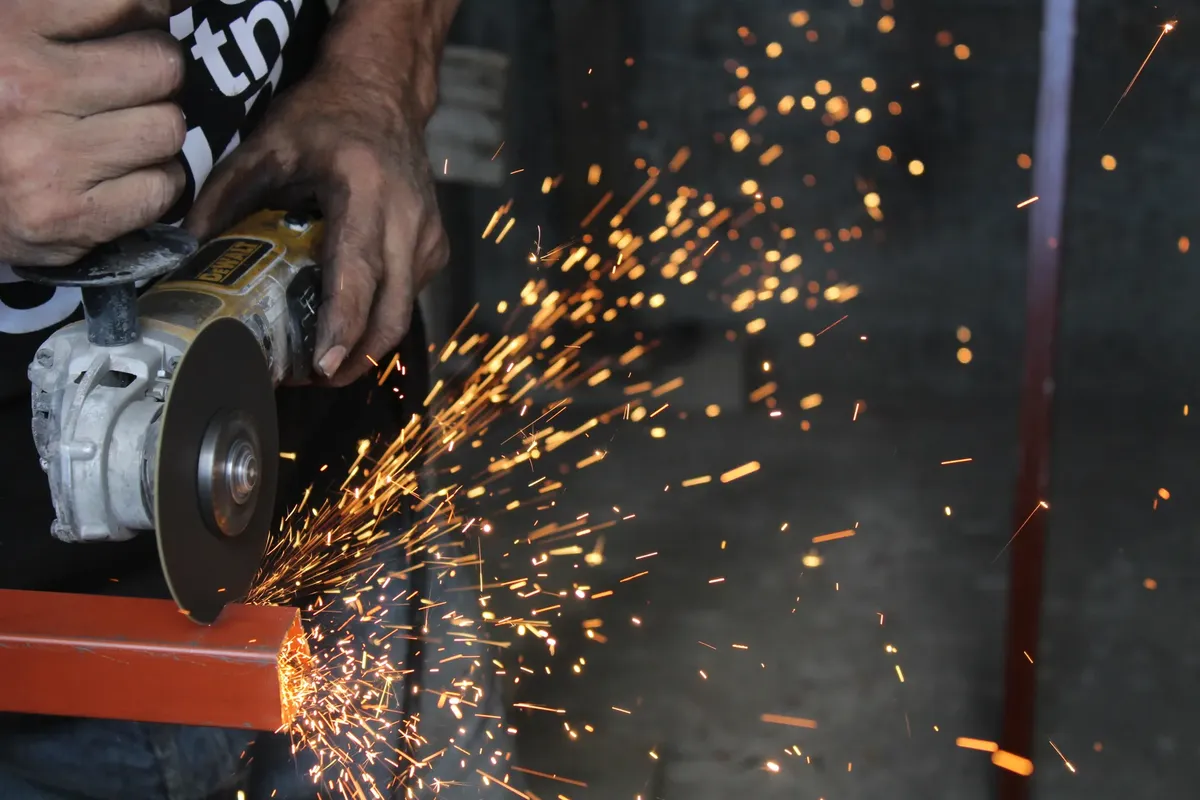
Routine maintenance, such as cleaning dust from motor vents or lubricating moving parts, is equally important. Keeping your tools in good working order ensures they remain safe and efficient. A well-maintained tool is a reliable partner for many years of DIY work.
| Tool Type | Primary Benefit | Best For |
|---|---|---|
| Cordless Drill | Mobility and ease of use | General assembly and mounting |
| Corded Drill | Constant, high power | Heavy-duty drilling and longer tasks |
I found that starting with a single cordless drill allowed me to complete several small household tasks without feeling overwhelmed by too much equipment.
A limitation of this approach is that entry-level tools may lack the extreme durability required for heavy construction or daily professional use.
Keep tools in a dry, organized environment to prevent rust and always clean debris from moving parts after every use.
web.archive.org Based on the retained excerpt mentioning Association (GVEA): The system, operated by the Golden Valley Electrical Association (GVEA), is expected to reduce power blackouts on the local power grid by more than 60 percent.
Related


Comments 0