Woodworking tools for beginners: Guide to essential tools
Selecting the right woodworking tools for beginners requires focusing on versatility, safety, and essential functions rather than purchasing expensive, specialized machinery immediately. This guide helps you identify core manual and power tools needed to start small projects, ensuring you build a foundation of accuracy and efficiency. You should prioritize measuring, cutting, and joining tools, though keep in mind that a limited initial kit may restrict your ability to tackle large-scale furniture construction right away.
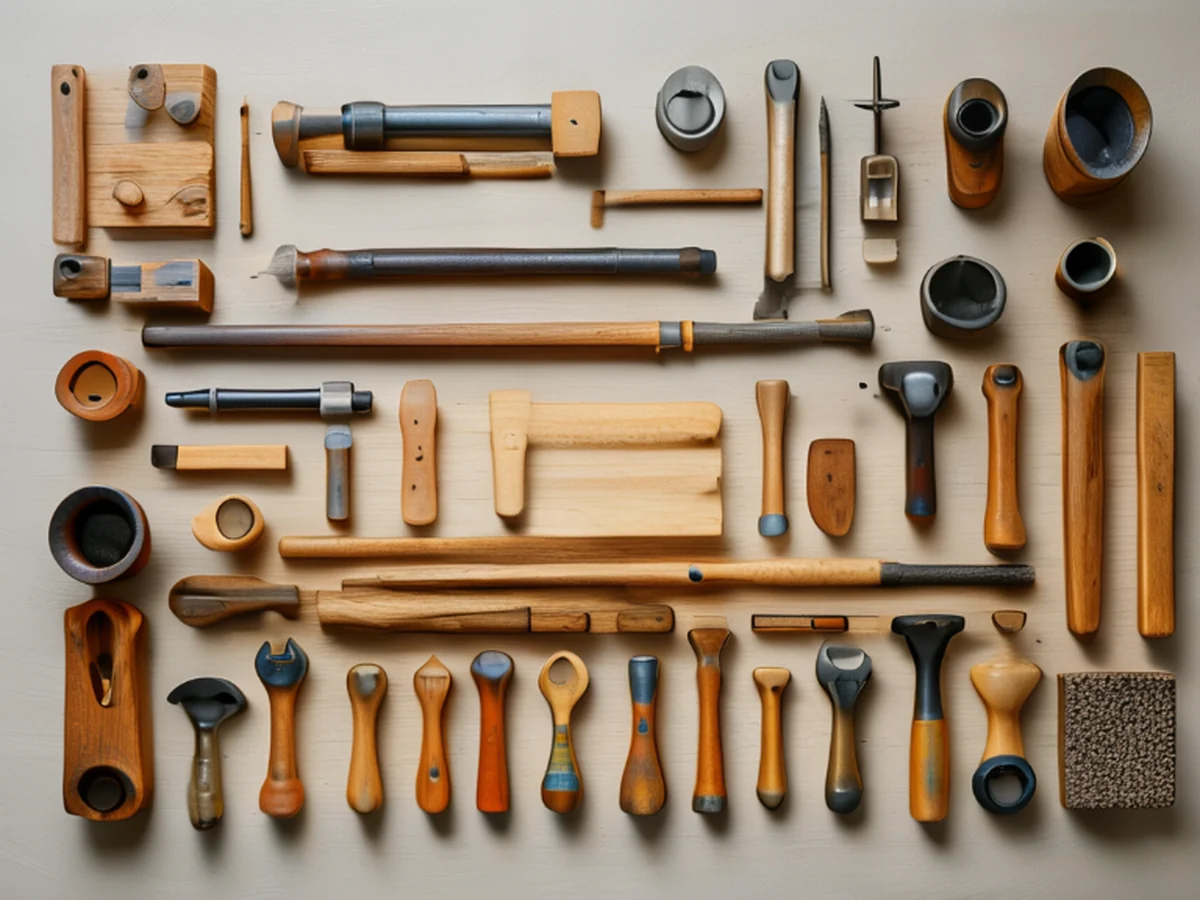
* Focus on basic measuring and marking tools for accuracy. * Prioritize versatile manual tools to build fundamental skills. * Select entry-level power tools for efficiency in repetitive tasks. * Maintain a strict focus on safety and proper storage.
What are the essential woodworking tools for beginners?
In the dim morning light of the garage, I run my fingers over the rough grain while contemplating the basic tools needed for woodworking.
A person stands in a quiet garage, running a hand over a smooth piece of pine while eyeing a cluttered workbench. To begin, you must acquire a set of tools that covers the three pillars of woodworking: measuring, cutting, and joining.
Without accurate measurements, every subsequent step fails, so a tape measure and a combination square are your first necessities.
Effective woodworking tools for beginners should include a reliable saw for breaking down lumber and a drill for creating holes or driving fasteners. A hammer and a set of chisels allow for manual refinement, which is vital for understanding how wood reacts to pressure.
I remember my first time trying to join two boards; I realized quickly that a lack of proper clamping tools made the task nearly impossible.
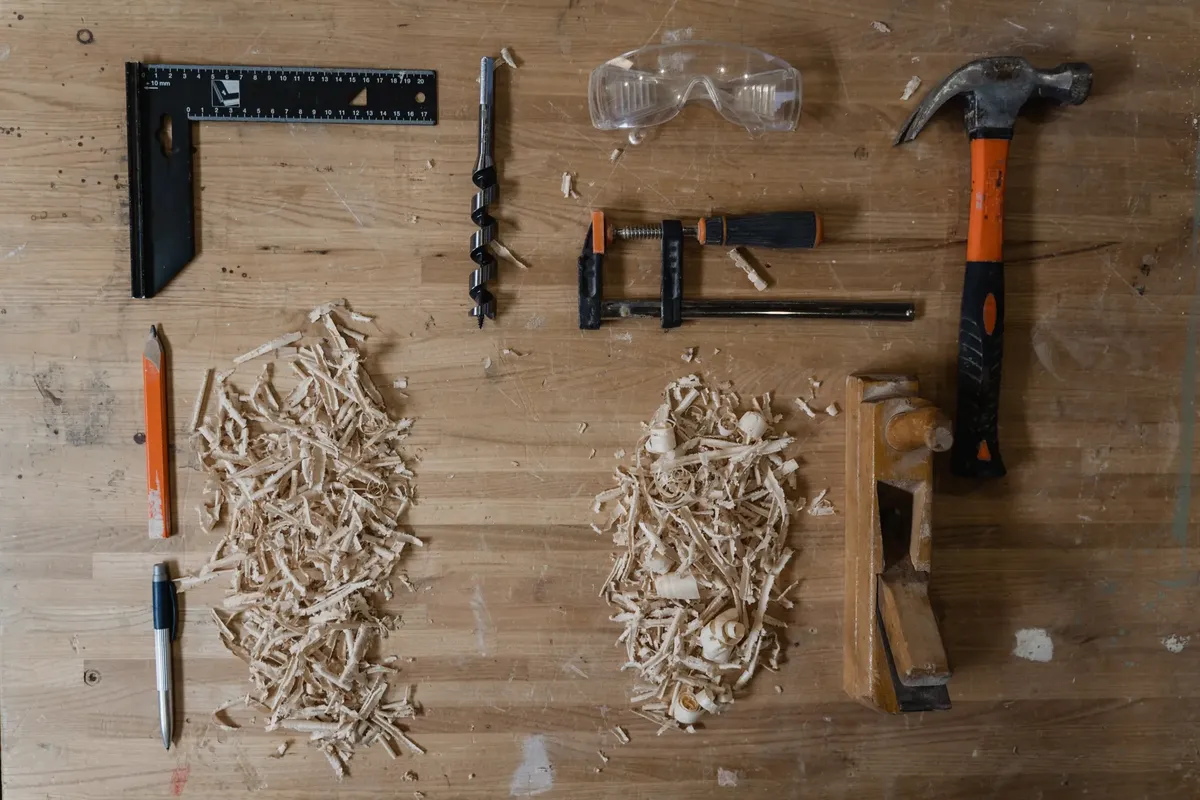
A starter woodworking kit often centers on these basics to prevent overwhelming a new maker. By mastering these fundamental items, you establish the precision required for more complex assemblies.
- Purchase a reliable tape measure and square.
- Acquire a basic set of chisels.
- Invest in a cordless drill.
How do you choose between manual and power tools?
The scent of cedar fills the air in the workshop as you grip a heavy hand saw to begin your woodworking.
The scent of freshly cut cedar fills the air as a craftsman chooses between a hand saw and a circular saw for a quick cut. Choosing between these options depends on the specific demands of your project and your desired level of control.
Manual tools offer a tactile connection to the material and are generally quieter and safer for those just starting out.
Power tools provide the efficiency needed for large volumes of work, such as cutting multiple boards to length in a single afternoon. However, they require a steeper learning curve and much stricter adherence to safety protocols.
A basic woodworking gear setup usually incorporates a mix of both to balance precision with speed.
| Tool Category | Primary Benefit | Best For |
|---|---|---|
| Manual Tools | High Control | Fine detail and learning wood grain |
| Power Tools | High Efficiency | Repetitive cuts and heavy material |
Using a combination of both allows you to use manual tools for delicate joinery while relying on power tools for the heavy lifting.
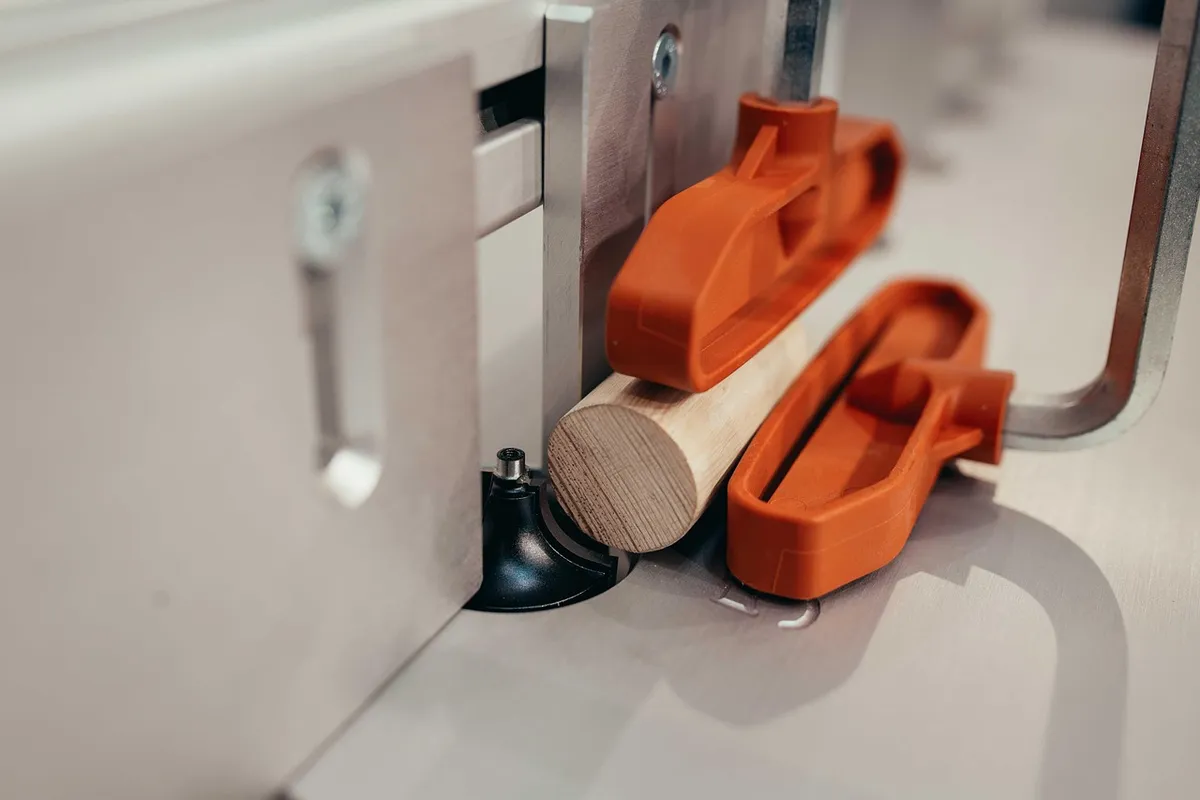
I find that the second step is the most important.
What is the best way to ensure accuracy and safety?
At noon in the dusty workshop, I tighten my grip on the chisel to feel the vibration of careful woodworking.
A worker tightens their safety glasses and checks the edge of a ruler under a bright shop light. Accuracy is the backbone of any successful project, and it starts with how you handle your measuring and marking instruments.
Even a tiny error in a measurement can lead to gaps in a joint that ruin the entire structure.
To maintain safety and efficiency, follow these essential steps:
- Mark your lines clearly using a sharp pencil or a marking knife to ensure the cut follows the intended path. 2. Secure your workpiece firmly with clamps to prevent movement during cutting or drilling. 3. Inspect all tools for damage, such as dull blades or frayed cords, before every use.
After completing these steps, perform a final check by re-measuring your workpiece against your original plan before making the actual cut. This habit prevents wasted material and maintains a high standard of work.
How should you manage your tool collection?
Dust settles on a wooden shelf as a hobbyist organizes a row of screwdrivers and pliers. Proper management involves more than just tidying up; it includes organized storage and routine maintenance to extend the life of your equipment.
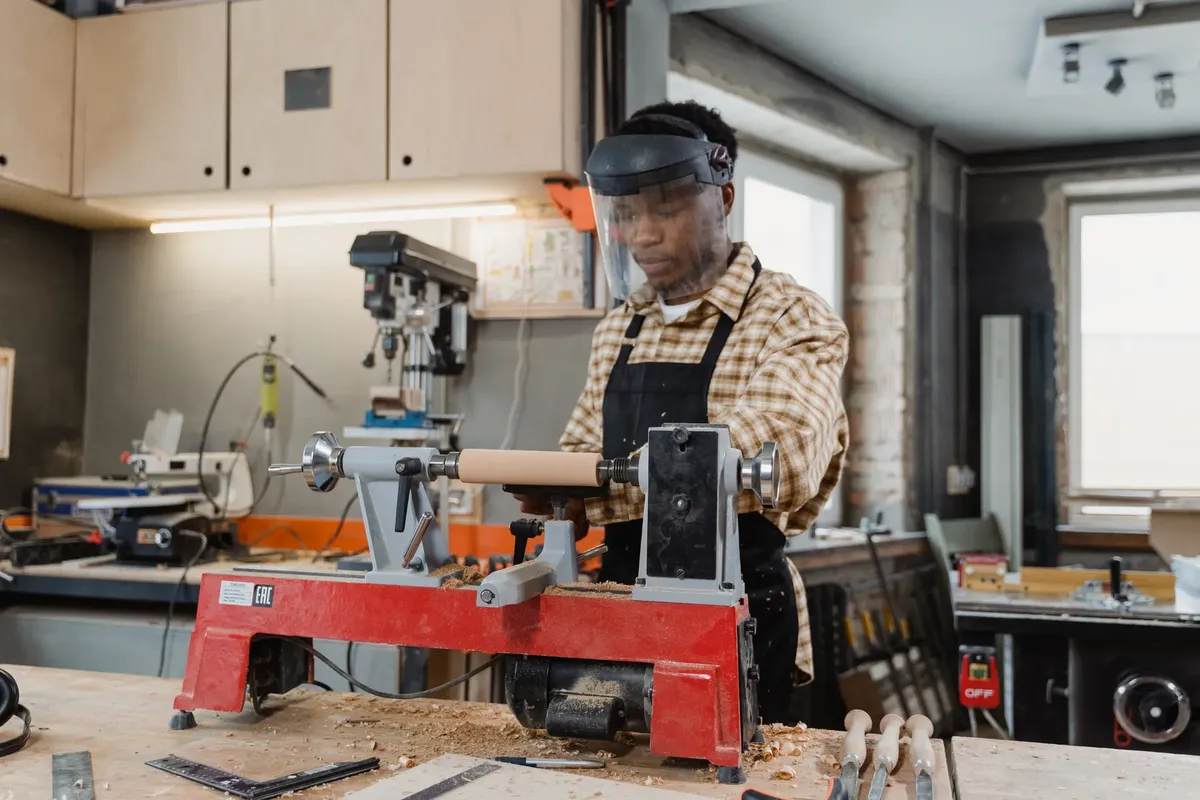
When tools are kept in their proper places, you save time and reduce the risk of accidents caused by tripping over loose items.
An efficient woodworking setup includes dedicated space for different tool types, such as pegboards for hand tools or sturdy cabinets for power equipment. Keeping blades sharp and surfaces free of rust is equally important for maintaining the performance of your gear.
A safe woodworking tool guide always emphasizes that a clean workspace is a safe workspace.
The same subject is also called beginner woodworking kit.
The same subject is also called starter woodworking tools.
Related
- Beginner woodworking tool brands: How to choose best tools
- Choosing Woodworking Tools Guide: How To Ensure Flatness
When should I upgrade my initial set of tools?
Upgrading the initial set of tools should happen once you consistently encounter limitations with your current equipment during the process of selecting the right tools.
If your basic measuring and marking tools begin to show inaccuracies when tackling a project, it signals a need for a more precise instrument.
Similarly, if the repetitive nature of your work demands a level of speed that your entry-level power tools cannot sustain, then an upgrade becomes necessary for efficiency.
This progression allows the beginner to build proficiency before investing heavily in specialized machinery, which aligns with the initial advice on selecting the right tools.




Comments 0