Modern Auto Repair: Essential Tools for Diagnosis and Fixes
Don't let a breakdown become a costly mystery; equip yourself with the right diagnostic and repair tools for any automotive challenge.
Modern vehicle maintenance has evolved from simple grease-monkey tasks to a sophisticated blend of mechanical mastery and digital troubleshooting.
Whether you are swapping brake pads in your driveway or rebuilding an engine in a professional shop, having the right tool for the specific job is the difference between a successful repair and a ruined component.
Key Takeaways * Modern automotive repair requires a balance of traditional mechanical tools and advanced electronic diagnostic equipment. * Proper tool selection, particularly regarding torque application, is vital for vehicle safety and component longevity.
* Understanding regulatory standards like OBD-II is essential for troubleshooting modern emission-related issues. * Safety protocols and high-quality gear are the primary defenses against costly mistakes and physical injury.

Why Do Modern Cars Need More Than Just Wrenches?
A heavy rainstorm hits the windshield of a technician in a dark garage, and the only sound is the rhythmic clicking of a socket wrench. For decades, fixing a car meant feeling for a loose bolt or listening to the mechanical rhythm of an engine.
Today, that mechanical intuition must be paired with digital literacy to navigate the complex computers governing every aspect of vehicle performance. The shift from purely mechanical failure to electronic integration has fundamentally changed the toolset required for maintenance.
In the United States, the landscape of vehicle repair was irrevocably altered by the implementation of standardized diagnostic protocols.
For instance, the OBD-II specification became mandatory for all passenger cars and petrol-powered light trucks with a gross vehicle weight rating of less than 8,500 lb in 1996.
It was also mandated for all petrol-powered vehicles in the United States with a gross vehicle weight rating of up to 14,000 lb. These regulations were not just about convenience; they were about environmental accountability.
The capability provided by these systems is a requirement to comply with federal emissions standards to detect failures that may increase vehicle tailpipe emissions to more than 150% of the original certified standard.
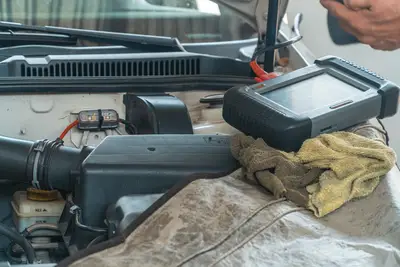
Because of this, a modern mechanic cannot simply rely on a heavy hammer; they must own tools that can communicate with the vehicle's Electronic Control Unit (ECU). Without a scan tool, a technician is essentially blind to the digital health of the vehicle.
But knowing there is a problem is only half the battle.

What tools do I need beyond the basics? The smell of new rubber and the metallic tang of a tool chest being organized fills a workshop in the early morning.
A novice might think a single adjustable wrench is enough to own a car, but a functional toolkit is divided into distinct functional pillars: hand tools, power tools, and precision instruments.
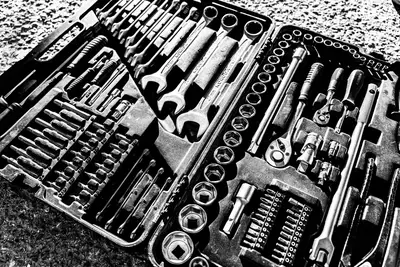
The first pillar is the foundation: hand tools. Socket sets, combination wrenches, and screwdrivers are the bread and butter of any repair. However, as tasks become more complex, the second pillar—power tools—becomes necessary.
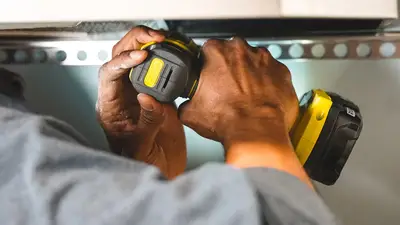
Impact wrenches and cordless drills allow for the brute force needed to remove rusted bolts or heavy components, but they must be used judiciously to avoid stripping threads.
The third, and perhaps most overlooked, pillar is precision. Measuring tools like micrometers and torque wrenches allow a technician to work within the tight tolerances required by modern engineering.
While a heavy-duty socket set might get a bolt in, only a precision tool ensures it stays in the correct tension.
It is often more cost-effective to invest in a high-quality core set of hand tools and add specialized kits—such as suspension or transmission tools—as your skill level and vehicle needs grow.
When I first started working on my own 2024 SUV, I thought a massive chest of tools was the answer, but I quickly realized that having the right size wrench mattered more than having fifty different ones.
However, knowing which category to buy is just the beginning of the technical challenge.
How do I master advanced procedures and tools? A technician tightens a cylinder head bolt, feeling the resistance through the handle of a torque wrench, knowing that even a few pound-feet of difference could lead to a blown gasket. This is the level of precision where guesswork ends and engineering begins.
The application of torque is one of the most critical skills in automotive repair. Using a torque wrench prevents fastener failure, which can occur if a bolt is under-tightened (leading to loosening) or over-tightened (leading to snapping or stripped threads).
In modern engines, where components are often made of lightweight alloys, following manufacturer-specified torque values is non-negotiable.
Advanced diagnostics also require tools that can interpret the data provided by the vehicle's onboard systems.
Since the 1997 mandate for California emissions diesel-engined vehicles (up to 14,000 lb) and the 1996 mandate for petrol-powered vehicles (up to 8,500 lb), the ability to read error codes has become a baseline requirement.
Modern scan tools allow technicians to identify specific failure modes, such as an oxygen sensor failure that might trigger an emissions warning. Using these tools effectively means moving beyond "reading codes" to analyzing live data streams to find the root cause of a problem.
| Tool Category | Primary Purpose | Target User |
|---|---|---|
| Hand Tools | Basic assembly, disassembly, and adjustment | Everyone (Beginner to Pro) |
| Power Tools | High-torque removal and heavy-duty tasks | Professional / Advanced DIY |
| Diagnostic Scanners | Electronic troubleshooting and emission checks | Modern DIY / Professional |
| Precision Tools | Measuring tolerances and exact torque application | Professional / Advanced DIY |
But how do you decide which tools belong in your garage versus a professional shop?
DIY vs. Professional: Matching Your Skill to Your gear
A teenager stands in a driveway, looking at a pile of tools and a half-disassembled alternator, wondering if they bought the right gear for the job.
The gap between a weekend hobbyist and a professional mechanic is often measured in the depth of their specialized tool ownership and the precision of their measurements.
For the beginner or hobbyist, the focus should be on versatility and affordability. A solid set of metric and SAE sockets, a few screwdrivers, and a basic OBD-II Bluetooth scanner can cover 80% of common maintenance tasks like oil changes, bulb replacements, and simple sensor swaps.
The goal for the beginner is to build a foundation without overextending financially on tools they might not use for years.
For the professional or the advanced enthusiast, the requirements shift toward durability and advanced diagnostic capabilities. A professional needs tools that can withstand daily heavy use in a shop environment, such as industrial-grade impact wrenches and heavy-duty floor jacks.
They also require high-end scan tools capable of bi-directional control—the ability to not just read a code, but to command a component to perform a test.
When deciding between brands, the professional looks for lifetime warranties and the ability to calibrate precision tools regularly. If you are just starting, you might feel overwhelmed by the choices, but there is a logical way to build your kit.
How to Build Your Automotive Toolkit
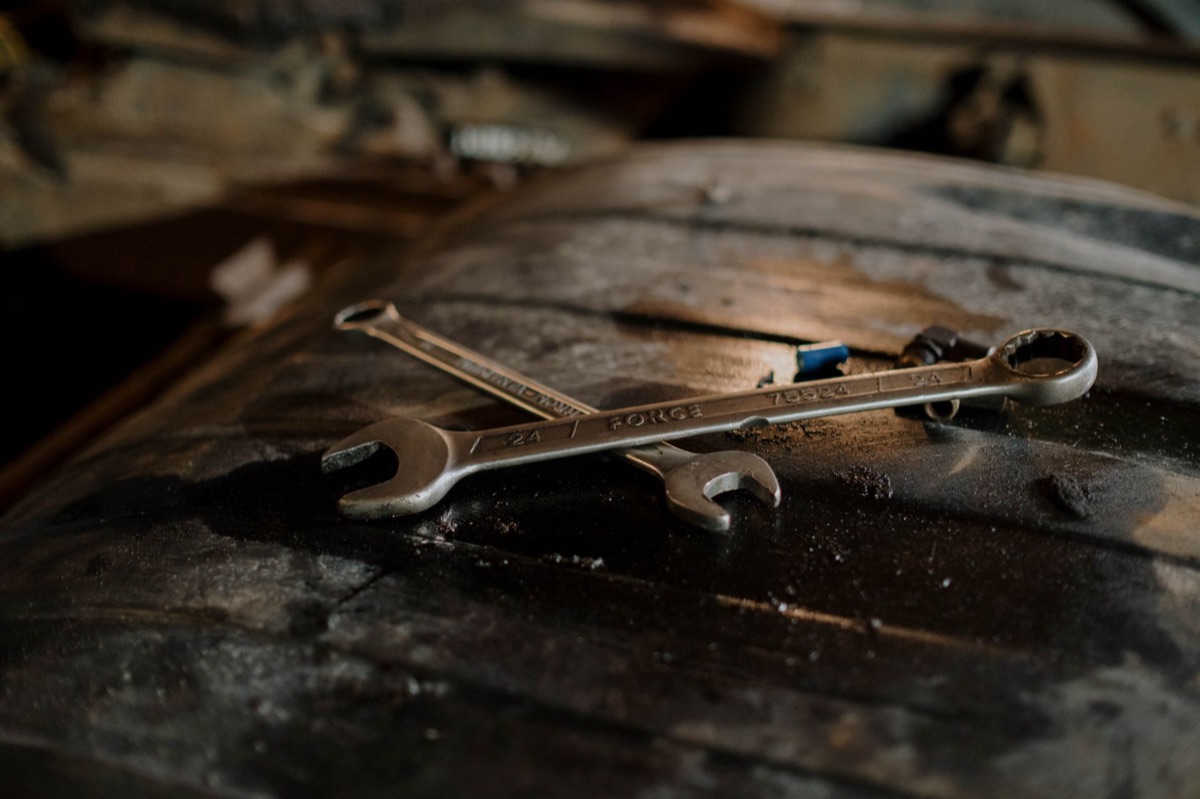
The sound of a metal wrench hitting a concrete floor rings through an empty garage at midnight. If you are starting from scratch, you shouldn't just buy everything at once. You need a roadmap to prevent wasting money on tools that sit in a drawer for years.
Follow this progression to build a functional and professional-level kit:
- The Diagnostic Foundation: Purchase an OBD-II compatible scanner. This allows you to communicate with your vehicle's computer to identify sensor or circuit failures immediately.
- The Mechanical Core: Invest in a high-quality socket and wrench set. Ensure you have both Metric and SAE (Standard) sizes to cover different vehicle origins.
- The Precision Check: Buy a calibrated torque wrench. This is essential for any job involving engine components, suspension, or wheel lugs to prevent hardware failure.
- The Safety Kit: Secure heavy-duty jack stands, eye protection, and nitrile gloves. Never work on a vehicle supported only by a hydraulic jack.
- The Specialized Add-ons: Only purchase specialized kits (such as brake piston compressors or suspension tools) once you have a specific project that requires them.
By following this order, you ensure that your most important tools—the ones that keep the car running and keep you safe—are prioritized.
Safety First: Protocols That Protect Your Investment
The heavy thud of a car being lowered from a jack echoes in a quiet garage, and the technician pauses to double-check the jack stands. In the world of automotive work, a single moment of complacency can lead to catastrophic mechanical failure or severe physical injury.
Safety is the most important tool in any kit. Personal Protective Equipment (PPE), including safety glasses, nitrile gloves, and steel-toed boots, is the first line of defense.
When working under a vehicle, jack stands are the only acceptable support method; never rely solely on a hydraulic jack for support while someone is underneath.
Furthermore, modern vehicles present unique risks. High-voltage systems in electric or hybrid vehicles require specialized insulated tools and strict adherence to safety protocols to prevent electrocution.
Always follow the manufacturer's specified torque values and procedures to ensure that the vehicle remains roadworthy. A repair is only successful if it is safe to drive.


Comments 0